
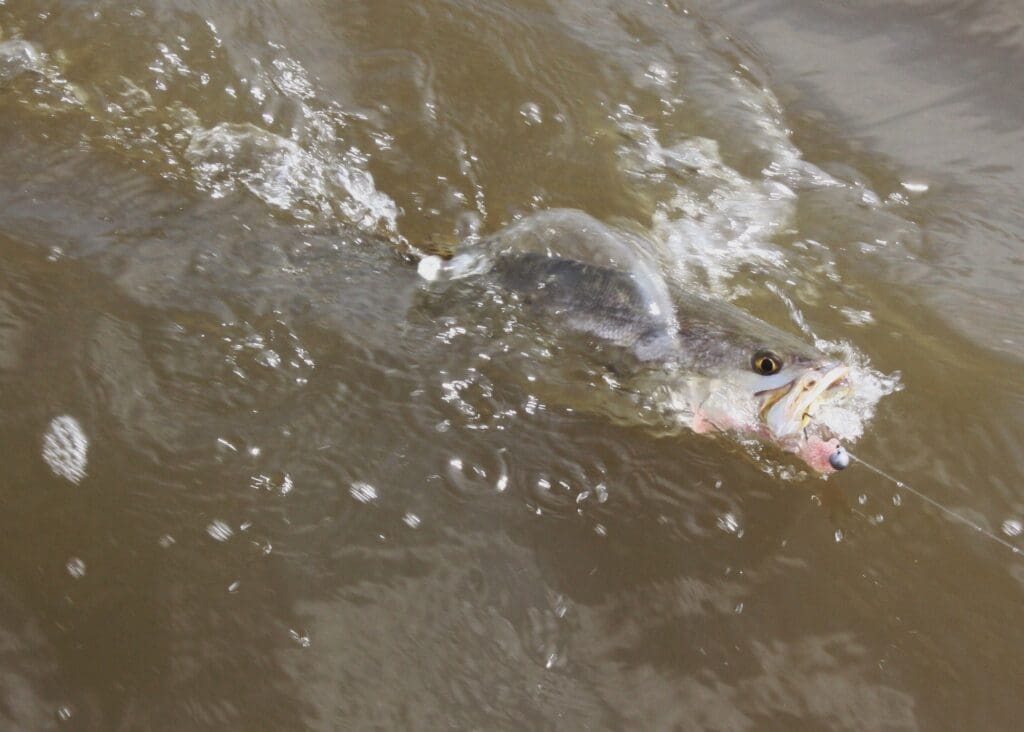
Winter weather the week of February 14, 2021, led to fish kill events along the entire Texas coast, serving both as a reminder and an opportunity. It was a reminder that we can only control what we can control, and it continues to serve as an opportunity to shape the future of the Spotted Seatrout fishery in Texas.
What Happened
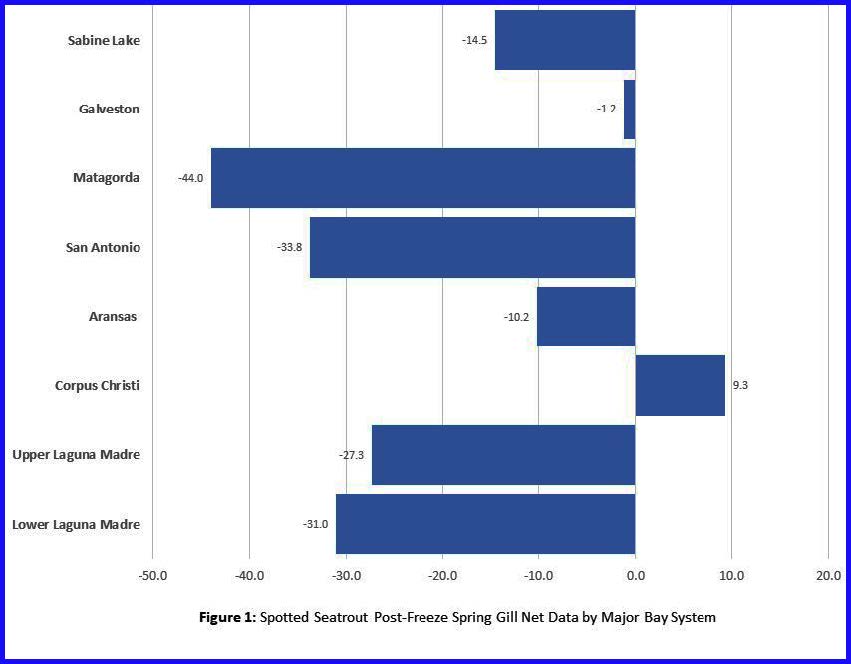
Figure 1: Spotted Seatrout Post-Freeze Spring Gill Net Data by Major Bay System
For Aransas, Galveston, and Sabine Lake the data showed catch rates that were at or near the 10-year average catch rates. Corpus Christi, in fact, saw a 10 percent increase in catch rates for 2021. Considering the natural annual variation in populations, the freeze impact to these systems appeared minimal.
Analysis of the spring 2021 data and other anecdotal reports from recreational anglers prompted the TPWC to instruct TPWD staff to publish a proposal to extend the regulations, and at their January 2022 meeting, TPWC passed temporary regulation changes for Spotted Seatrout. Again, the rule reduced the spotted seatrout bag limit to 3 fish and restricted the allowable size to 17-23 inches, with a goal of leaving more spawning fish in the water for two spawning seasons to help the populations recover quickly from the 2021 winter storm. These regulation changes affected all coastal water bodies south of FM 457 in Sargent. Barring emergency action by TPWC, the temporary regulations will expire August 31, 2023, and the fishery will once again be subject to the historic 5-fish bag limit with a 15-inch to 25-inch slot, with 1 fish over 25-inches. CCA Texas was supportive of the temporary regulation changes and testified in favor of having an expiration date so that new data could be analyzed and factored into future regulations developed using the statewide proclamation process.
The intent of the regulation was to help the fishery recover from the freeze and based on previous freeze recoveries (’83 &’89), it takes 2-3 years to get back to pre-freeze abundance (it takes much longer to get back to historic size distribution and age classes). While it is fair to debate whether the trout fishery has recovered, the expiration date was set in statute, therefore outside of an emergency ruling, any future changes will be subject to the rule-making process. Meaning, any additional regulation changes will take time.
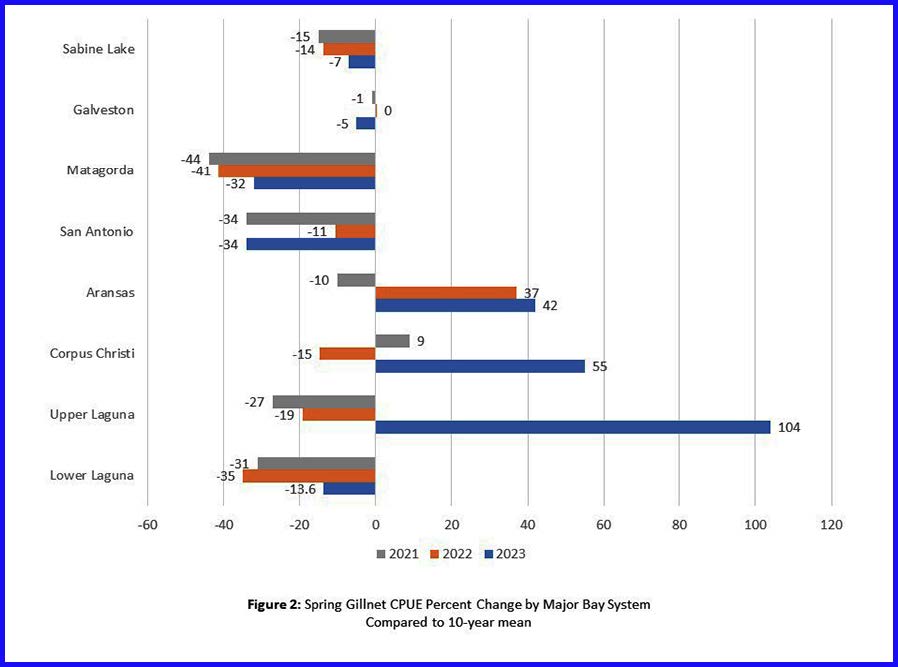
Figure 2: Spring Gillnet CPUE Percent Change by Major Bay System Compared to 10-year Mean
The bay systems that didn’t get the initial protection from the spring 2021 emergency ruling, Matagorda and San Antonio Bay, are still well below the 10-year mean, 32% and 34% respectively. It does appear however that Matagorda Bay could benefit from a substantial number of juveniles coming into the fishery with a 238% increase in CPUE in 2022 TPWD bag seine surveys.
Story by Shane Bonnot (CCA Coastal Advocacy Director)