
THE RISE OF EXOTIC BARBARY SHEEP (AOUDAD) IN THE SOUTHWEST HAS BROUGHT CHALLENGES TO NATIVE DESERT BIGHORN SHEEP, RANGING FROM DISEASE TO HABITAT DEGRADATION AND COMPETITION FOR FORAGE AND WATER SOURCES.
Another challenge is mistaken identity according to officials with the Wild Sheep Foundation.
Multiple desert bighorn ewes have been inadvertently killed by hunters thinking they were shooting an aoudad. This impacts bighorn numbers and can cause significant legal troubles for hunters.
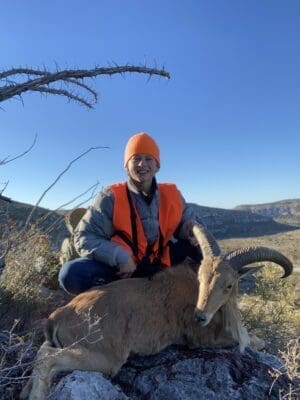
WSF and its partners the Texas Bighorn Society and New Mexico Wild Sheep Foundation have put out a brochure to help hunters make informed choices.
DESERT BIGHORN SHEEP
These native sheep have a more muscular body with sleek light brown to gray fur. Coloration around the rump, belly, and muzzle is white. Ewes have horns that only curve slightly and can be anywhere from 8 to 15 inches long, while rams have much larger, curling horns.
AOUDAD
Aoudad are reddish brown on the upper portions of their body. Some older animals can take on a grayish-brown color. Only part of the inside legs and belly is white on most aoudad. Some, however, will have a bit of white around the muzzle. Aoudad have shaggy beards, with that of ewes being less pronounced than rams, running from a couple of inches below the head down to the chest. Mature rams may have the beard run all the way down the length of the legs to form what hunters often call “chaps.”
To learn more and download a .pdf of the full brochure click here.