
So, have you heard about all of the floodwaters pouring into the Upper Coast bays?
Of course you have.
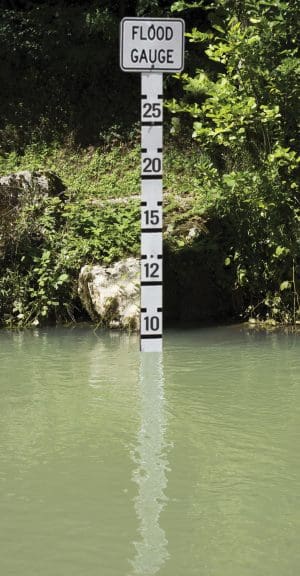
Intense amounts of rain have caused mega flooding events that are sending billions of gallons of freshwater into the Galveston Bay complex and to a slightly lesser extent Sabine Lake.
 It’s certainly not going to improve saltwater fishing. I can’t lie about that.
But it’s not the end of the world either.
In the mid 1990s the Sabine Lake area had massive rain in spring. On top of the rain there, it also poured in East Texas so the floodgates and Toledo Bend reservoir were open, sending a deluge downstream into the ecosystem.
“The fishing is going to be terrible.”
“The floods ruin the fishing.”
Complaints ran rampant except with an in the know contingent of anglers who understood something that was not obvious.
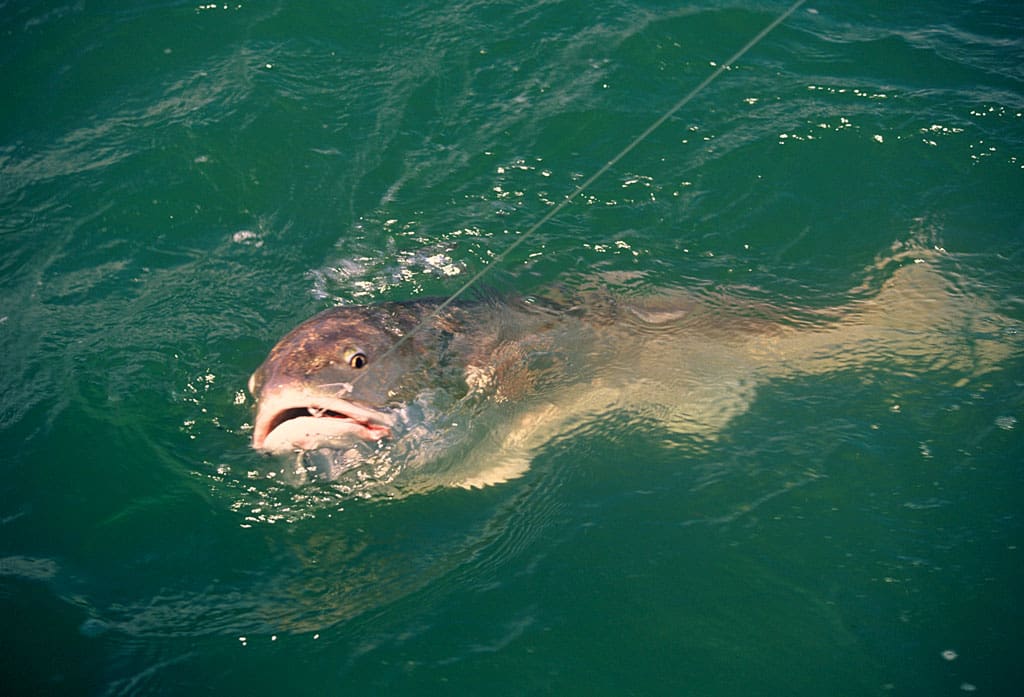
When floodwaters move onto the lake (actually a bay) in the spring, it concentrates saltwater species like redfish, speckled trout and sheephead on the deep oyster reef on the extreme south end between Mesquite and Blue Buck Points. The water with the highest salinity is at the bottom of the water column.
In the wake of this, instead of complaints these anglers were saying things like, “It’s like shooting fish in a barrel” and “This is the best fishing I have ever seen.”
And with redfish in particular, once water clarity from run-off went from dire to just off-colored anglers found redfish where they have always been-in the rivers and bays on the north end of the ecosystem.
I suspect we will see some of that in the coming weeks and that determined anglers in the Galveston complex will start finding concentrations of fish in the deep waters of the channel. Plus, once the main flow of water is over, the jetties will get salty first so look for the days toward the end of the month with the largest outgoing tides. That should help flush that area.
 A few days after that things should start to pick up around the rocks.
These events have happened many times before and the fishing always returns. Even if we’re washed out into early June, it will go back to normal.
There is scientific evidence of this.
Texas Parks & Wildlife Department biologist Coastal Fisheries Biologist Jim Tolan explains the impacts in a report called “An Estuary’s Need for Freshwater Flow.”
“The most immediate result of large inflows is the displacement of saltwater fish, in seeking their preferred salinity, they shift their location within the bay. Some species, which can withstand low salinity, tend to remain in the same locations until conditions change back.”
“Both red drum and pinfish are species that can be caught in the saltiest parts of Laguna Madre or in the freshest parts of many tidal rivers. Another option for immobile species like oysters is to close up and remain isolated from unfavorable conditions.”
The report goes on to say displacement of species also applies in a positive way to the larvae and juveniles that are seeking out the nursery grounds of the estuary.
“Instead of concentrating large numbers of larvae only in the upper portions of the bay, species seeking lower salinities have a much larger nursery-ground habitat. This can lead to increased larval rearing, better growth, and ultimately better survival for estuarine-dependent species. And this applies also to the forage fish that make up most of the food base for the sport-fish. Species like gobies, anchovies, and silversides all respond well to increases in freshwater inflow, especially when timed with their spawning periods.”
Bays were made to have freshwater inflow and it is vitally important to the health of these ecosystems.
We don’t necessarily need the level of water we’re seeing now but it is part of the cycle of the bays.
I’m a glass half full kind of guy and although that glass looks like it is filled with chocolate milk instead of water, I see good things coming.