
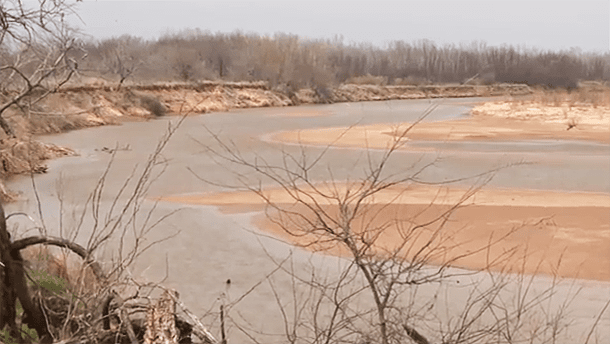
According to data from the Environmental Protection Agency (EPA), over 70% of freshwater lakes, ponds, reservoirs, and wetlands (by acreage) and over 42% of creeks, rivers, and streams (by mileage) are considered too polluted for primary contact recreation, such as swimming. On average, there are nearly 35,000 waterborne illness cases caused by recreational water use in the U.S. every year.
Since being established in 1972, the Clean Water Act (CWA) has fallen short of its goal to make 100% of U.S. waters “fishable and swimmable,” in large part due to inefficient and insufficient water quality monitoring: Under the CWA, each state is supposed to assess all of its recreational-use lakes and rivers for impairments—to determine whether a body of water is polluted by various sources such as industrial waste, sewage, or agricultural runoff, rendering it unsuitable for its designated uses.
Unfortunately, the most recent figures show that only 19 states assessed even 50% of both their lakes and rivers for primary water contact recreation, which includes swimming.
 |
And as stated above, of the assessed recreational-use waters, a substantial number are too polluted to swim in.
Analysis:
In order to determine the states with the worst water quality for swimming, researchers calculated the percentage of total acreage or mileage of assessed, untreated waters that were too polluted for swimming.
Key findings for Texas:
States assess two different categories of recreational-use water bodies: (1) Lakes, ponds, reservoirs, and wetlands; and (2) creeks, rivers, and streams.
Lakes, ponds, reservoirs, and wetlands
- Nationally, by acreage, 77.4% of lakes, ponds, reservoirs, and wetlands have been adequately assessed for primary water contact impairments. Of those, 70.6% were found to be unsuitable for swimming.
- Texas has assessed 83.4% of its recreational-use lakes, ponds, reservoirs, and wetlands.
- Of those assessed waters, 0.7% were found to be too polluted for swimming.
| Location | Percentage of assessed waters impaired (acres) | Percentage of waters assessed (acres) | Total assessed waters impaired (acres) | Total waters assessed (acres) | Total waters not assessed (acres) |
|---|---|---|---|---|---|
| Texas | 0.7% | 83.4% | 5,960 | 890,070 | 177,792 |
| United States | 70.6% | 77.4% | 26,851,017 | 38,018,047 | 11,097,128 |
Creeks, rivers, and streams
- Nationally, by mileage, only 37.3% of creeks, rivers, and streams have been adequately assessed for primary water contact impairments. Of those, 42.4% were found to be unsuitable for swimming.
- Texas has assessed 72.7% of its recreational-use creeks, rivers, and streams.
- Of those assessed waters, 48.3% were found to be too polluted for swimming.
| Location | Percentage of assessed waters impaired (miles) | Percentage of waters assessed (miles) | Total assessed waters impaired (miles) | Total waters assessed (miles) | Total waters not assessed (miles) |
|---|---|---|---|---|---|
| Texas | 48.3% | 72.7% | 7,721 | 15,974 | 6,007 |
| United States | 42.4% | 37.3% | 213,300 | 503,050 | 847,059 |
Here is a link to the complete results of the analysis, with data on recreational-use water impairments across all 50 U.S. states. Feel free to republish or use the findings in your own write-up. If you choose to use the analysis, please link to the original report: https://captainexperiences.