
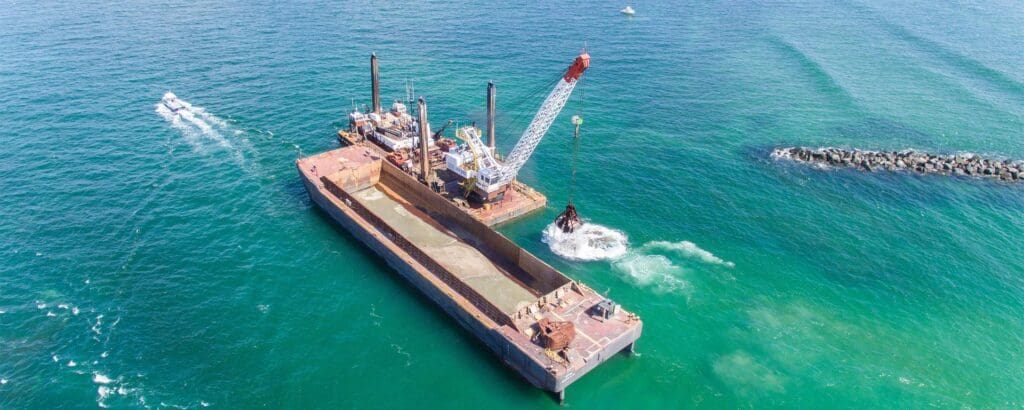
Dredging ship channels, a common practice to maintain navigable waterways, has significant environmental consequences, particularly for sensitive marine ecosystems.
The process involves the removal of sediment from the bottom of water bodies, which, while necessary for safe and efficient shipping, can have far-reaching negative effects on seagrass beds, oyster reefs, fishing conditions, and water quality.
And it is happening all over the Texas Coast as multiple channcls are being deepened and widened for bigger ships.
Seagrass beds are crucial to coastal ecosystems, providing habitat for a variety of marine life and are a haven for speckled trout, redfish and flounder.
The turbidity caused by dredging also reduces light penetration, essential for seagrass. Prolonged reduction in light can weaken or kill seagrass, leading to a loss of biodiversity and erosion of coastlines, as these plants play a key role in holding sediments in place.
Oyster reefs are another vital component of coastal ecosystems, offering habitat, food sources, and water filtration. Dredging can be catastrophic for these delicate structures when done improperly. The increased turbidity reduces water quality, making it harder for oysters to filter and feed. If sediments are contaminated, they can introduce toxins into the ecosystem, which oysters then filter and concentrate, making them hazardous to both the marine environment and humans who consume them.
For anglers dredging can alter habitats and disrupt fish populations. The obvious issue is degrading water clarity which can make fishing difficult but the bigger picture are the other issues we’ve talked about here.
The most concerning aspects of dredging is the potential to stir up pollutants that have settled on the seabed over time. This is why (thankfully) U.S. Army Corps of Engineers officials reversed the decision to dredge through the Super Fund site in the Matagorad area.
These contaminants, which can include heavy metals, hydrocarbons, and industrial chemicals, are often bound to fine sediments. When these sediments are disturbed, pollutants can be released back into the water column, posing risks to marine life and potentially entering the human food chain through seafood.
While dredging is essential for maintaining shipping routes, it poses significant threats to marine environments. The impacts on seagrass beds, oyster reefs, fish populations, and the potential release of pollutants highlight the need for careful consideration.
Anglers need to let their voices be heard on dredging issues as they did on the project in Matagorda. Speaking out can make a difference.