
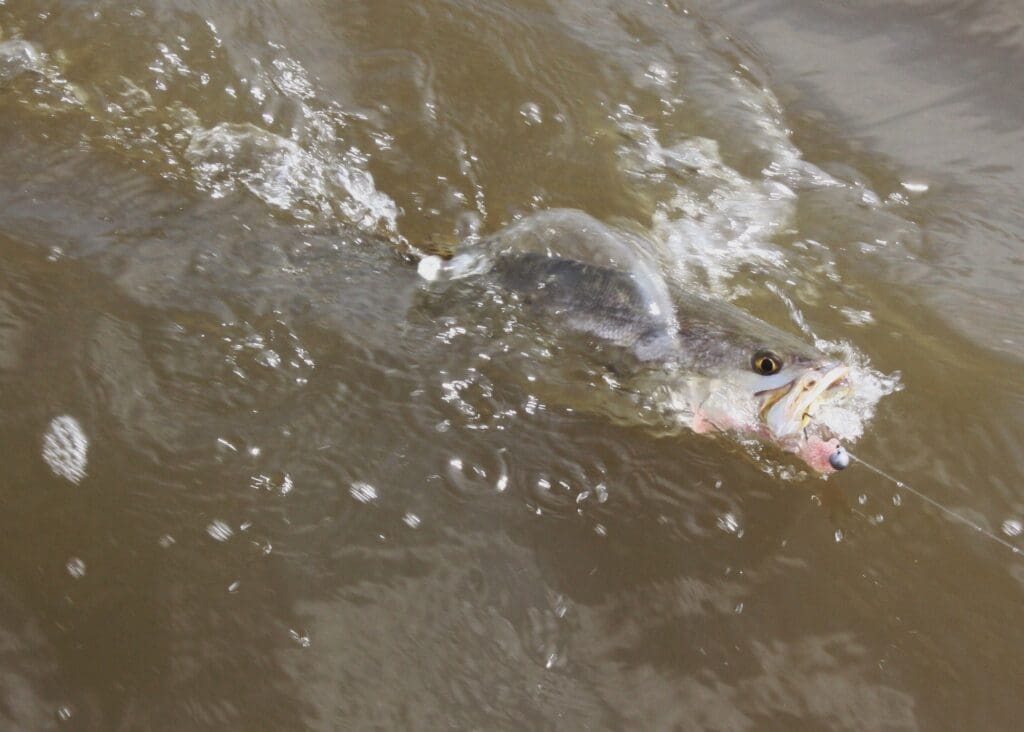
Fishing around sunken barges and abandoned docks on the Texas coast is an effective way to target speckled trout and flounder. These are not the most scenic spots to fish but when you see them, know during late summer and early fall they will harbor fish.
Most barges will only be partially sunken and some old docks only have a few pilings and maybe some riprap along the edges but don’t overlook them. Fish don’t so why should you?
Sunken barges and abandoned docks create ideal hideouts for both specks and flounder. These structures attract baitfish, which in turn attract larger predators. The deep water around the edges of the structures often holds speckled trout, while flounder can be found all around them.
Fishing these areas is best during the early morning or late evening when fish are most active. Speckled trout are more likely to be feeding during a rising tide when baitfish are being pushed toward the structure, while flounder tend to be more active during a falling tide when they can ambush prey being swept off the shallows. A rising tide can be good for the flounder too but make not when you have a really high tide because when it falls flounder will feed aggressivley.
Gulp! or soft plastic jerkbaits work well for trout. Live shrimp or mullet under a p opping cork can also be effective.
When targeting flounder, a medium rod with a similar line weight is appropriate. Use a jig head tipped with soft plastics, live shrimp, or finger mullet.
Start by positioning your boat so you can cast parallel to the structure, allowing your lure or bait to pass close to the edges where fish are likely to be holding. For trout, focus on the deeper areas around the structure, especially where currents are stronger. For flounder, work your bait along the bottom in shallower areas, paying attention to any sandy patches near the structure. Work your bait from shallow to deep for flounder to find the sweet spot.
When fishing for speckled trout, use a slow, steady retrieve with occasional pauses to entice a strike. For flounder, use a lift-and-drop technique, allowing the jig to hop along the bottom. Flounder bites can be subtle, so it’s important to maintain a feel for your bait and set the hook gently but firmly when you detect a strike.
And don’t forget to always be cautious when fishing around these structures, as submerged debris can snag your line or damage your boat.
Fishing these structure is a little more like bass fishing than you might be used to in the channels and bays but with that said it can be super man and highly effective.