
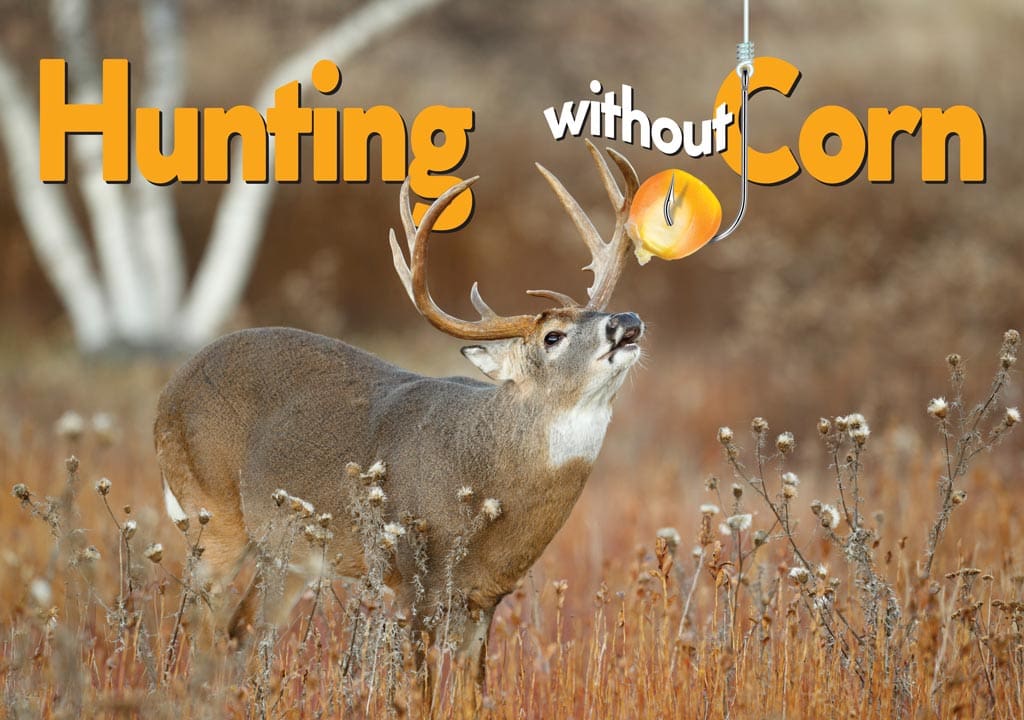
Bait-Free Tactics for Pursuing Feeder Shy Bucks
Feature Story by CHESTER MOORE
LISTEN: (6 minutes, 16 seconds)
TEXAS DEER HUNTERS ARE SPOILED. Let’s admit it. Most deer hunting is done by putting out a feeder, driving an ATV to a stand and sitting and waiting. Oh, there’s plenty of effort involved and sometimes a whole lot of time in the stand but it’s not like hiking miles into public land, carrying a climbing stand and waiting over an unbaited area for a deer to walk by.
We sometimes get the idea that hunting with feeders is the only way. But the fact is some deer, especially some big bucks, become feeder shy.
Feeder-shy deer, particularly mature bucks, often avoid areas with heavy human scent or regular disturbances. These deer learn to associate feeders with potential danger, especially in heavily hunted areas.
As a result, they become more elusive and harder to hunt using conventional methods. However, these same bucks can often be found near natural food sources, which they perceive as safer and more familiar.
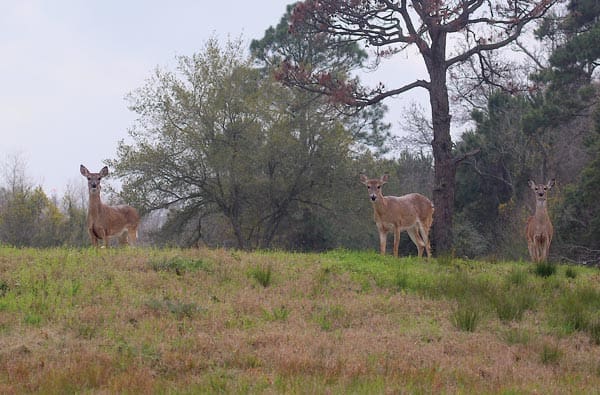
The first step in hunting deer without feeders is scouting. Texas is diverse, with habitats ranging from dense forests to open plains, each offering different natural food sources. Key foods for deer in Texas include acorns, persimmons, wild grapes, and various forbs and browse plants. Oaks are abundant in many parts of Texas, and acorns are a staple in a deer’s diet. Look for areas with high oak tree density, particularly where white oaks grow, as their acorns are preferred by deer due to their lower tannin content.
(Photo: Chester Moore)
Persimmons are another excellent food source, and these sweet fruits are highly attractive to deer. Identify persimmon trees in your hunting area and note when they are fruiting, which generally occurs in the fall, aligning well with deer season. Wild grapes, plums, and other native fruits can also draw deer, often found in forest edges or clearings. In areas without abundant mast (nuts and fruits), deer rely heavily on forbs (broad-leaved herbaceous plants) and browse (leafy parts of woody plants). Identifying areas rich in these plants can lead you to deer hotspots.
Once you’ve identified potential feeding areas, the next step is setting up your hunting location. This involves understanding deer movement patterns and positioning yourself advantageously. Use trail cameras to monitor activity around natural food sources, helping you identify when deer are visiting these areas and establish their movement patterns.
Place cameras at varying heights and angles to cover a broad area and avoid
spooking deer with visible equipment. Position your stand or blind downwind of the feeding area to avoid detection, as mature bucks are particularly sensitive to human scent. Ensure you account for prevailing wind directions and set up your stand at a comfortable distance, allowing for a clear shot while remaining concealed. Utilize natural cover to your advantage, hunting from ground blinds made of natural materials or positioning yourself in thick brush to enhance your concealment. Avoid cutting too much vegetation as it can alert deer to human presence.

Understanding when to hunt is as crucial as knowing where to hunt. Deer are crepuscular, meaning they are most active during dawn and dusk. Plan your hunts around these peak activity periods for the best chance of success. Arrive at your stand well before dawn for morning hunts, minimizing disturbances and allowing you to settle in before deer begin moving. Be prepared for a longer wait as deer may not appear until the first light.
For evening hunts, set up in the afternoon and remain patient until dusk, as deer often move towards feeding areas as daylight wanes, making evening hunts particularly effective near natural food sources.
For those looking to take their hunting to the next level, consider incorporating advanced techniques such as spot and stalk or still hunting. Spot and stalk require patience and stealth, scanning open areas and using binoculars to spot deer from a distance, then carefully stalking your prey using terrain and vegetation for cover. This technique is particularly effective in open plains or lightly wooded areas.
In places like the Big Thicket region of Texas, this is nearly impossible.
Still hunting involves moving slowly and quietly through the woods, stopping frequently to listen and observe. This method requires excellent knowledge of the terrain and deer behavior, as well as the ability to remain silent and undetected. This can be problematic on deer leases because hunters are often limited to fairly small areas so keep that in mind and be safe when even remotely approaching someone else’s hunting area.
Creating mock scrapes and rubs using deer scent can also attract bucks, relying on natural deer behavior rather than food, making it a viable alternative for those avoiding feeders.
Hunting deer without corn feeders offers several distinct advantages. Without the concentrated human scent and activity around feeders, deer experience less pressure and are more likely to follow their natural patterns. This method challenges you to develop a deeper understanding of deer behavior, habitat, and movement.
Pursuing deer in Texas without using corn feeders or bait is a rewarding endeavor that tests your skills and knowledge as a hunter. By focusing on natural food sources, understanding deer behavior, and utilizing strategic setups, you can increase your chances of success and enjoy a more authentic hunting experience.
Whether you’re a seasoned hunter or new to the sport, embracing these techniques will enhance your appreciation for the challenges and rewards of hunting deer in Texas.
We’re not saying stop feeding. In fact, these kinds of hunts aren’t always easy so you might find yourself back on the stand waiting for the 4:30 corn dispensing to begin.
But it offers a way to pursue deer in a different way that might connect you with the big bucks that are avoiding your feeder like the plague.
—story by CHESTER MOORE
• • •
DIGITAL BONUS
Video from Texas Parks & Wildlife shows a group of white tailed deer that gather for dinner in the same spot almost every day.
