
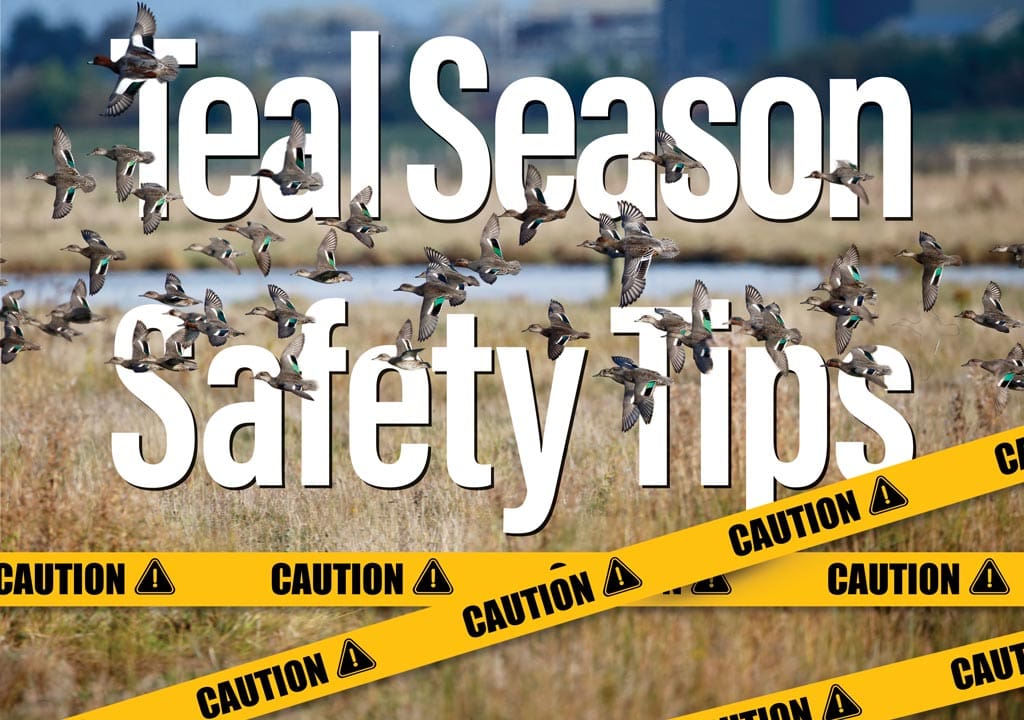
Teal Season Has Inherent Dangers
Feature Story compiled by TF&G STAFF
LISTEN: (3 minutes, 0 seconds)
THE EARLY TEAL SEASON in Texas is an exciting time for waterfowl hunters.
It’s offers the first crack at ducks and gives dog owners a time to get some real in-the-field training as well.
With that said, early teal season has some inherent dangers that should not be overlooked.
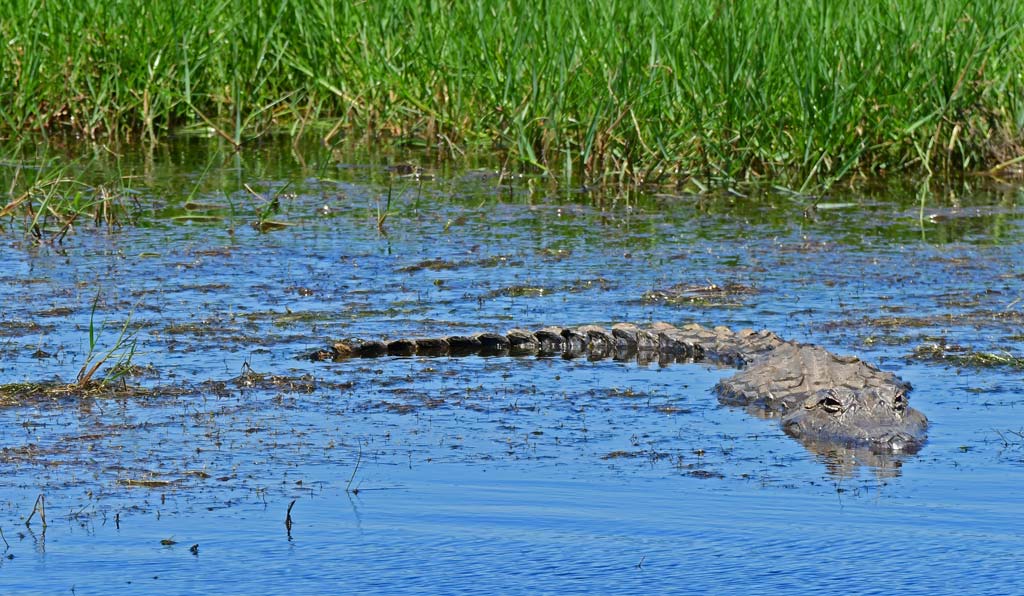
Texas’ wetlands and marshes, prime teal hunting grounds, are also home to alligators. These big lizards pose a significant threat to both hunters and their retrievers. When hunting, always scout the area during daylight before the hunt to identify any potential alligator signs. Alligators are most active at dawn and dusk, the same times hunters are usually in the field.
Keep your retriever close and avoid sending them to retrieve birds in areas where alligators have been spotted. If you must hunt when gators are present, use a boat to retrieve downed birds or do it yourself-cautiously. Very few gators will pursue a person, but many will go after a dog.
(Photo: Adobe)
A vigilant eye and cautious approach can prevent tragic encounters. Additionally, training your retriever to respond immediately to commands is crucial for their safety. A well-trained dog that returns promptly when called can avoid many dangers.
Also keep in mind gators are not just on the coast. There are gators throughout the eastern third of the state and in some river systems a couple of counties removed from the Gulf.
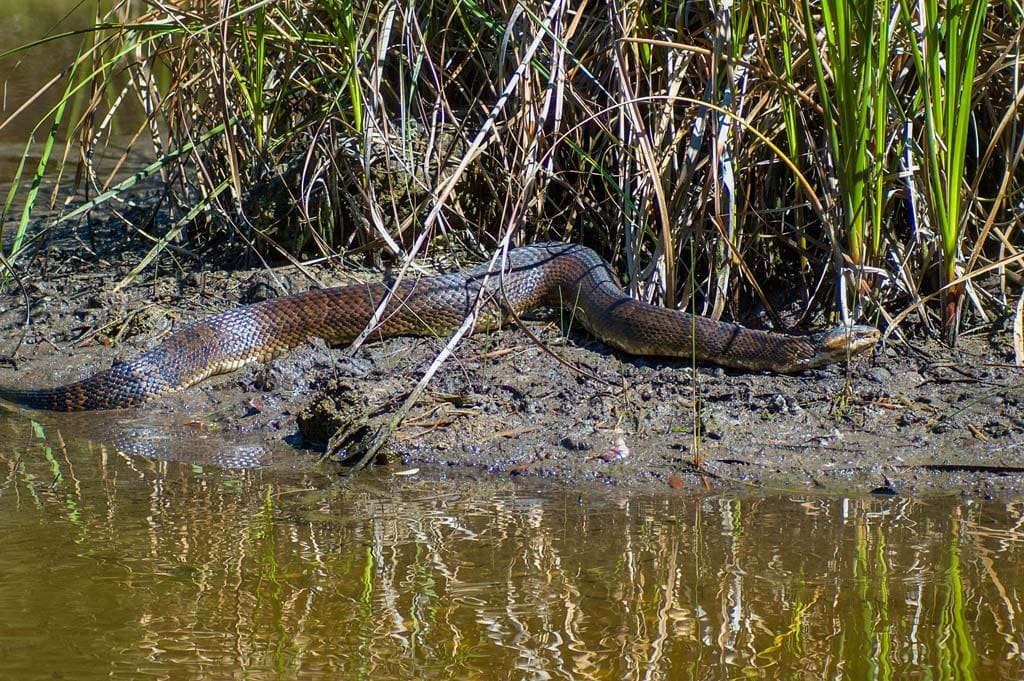
Early teal season coincides with the peak activity of snakes, including venomous species like cottonmouths and rattlesnakes. These reptiles are often found in the same wetland areas where teal are hunted. Wearing snake-proof boots and gaiters can provide an extra layer of protection for hunters navigating through tall grass and swampy terrain.
(Photo: Adobe)
For your retriever, keep them on a leash or under close control until you have thoroughly checked the area for snakes. Training your dog to avoid snakes can also be life-saving. Various trainers offer snake avoidance training, which conditions dogs to recognize and steer clear of these dangerous reptiles.
The early teal season in Texas is notorious for its high temperatures. The combination of physical exertion, heavy gear, and humid conditions can lead to heat exhaustion or heatstroke. Hunters should dress in lightweight, breathable clothing and stay hydrated. Carry plenty of water not only for yourself but also for your retriever.
Take frequent breaks in shaded areas to cool down. It’s important to recognize the signs of overheating in dogs, which include excessive panting, drooling, and lethargy. If your retriever shows any of these symptoms, cool them down immediately with water and seek veterinary care if necessary.
By being cautious about alligators, prepared for snakes, and proactive in heat management, hunters can ensure a safe and enjoyable experience for themselves and their dogs.
—compiled by TF&G STAFF
DIGITAL BONUS: Teal Calling Techniques
FROM DUCKS UNLIMITED: Renowned duck caller Fred Zink from Zink Calls shares techniques for successfully calling teal using a mallard call. In this instructional video, Fred covers the specific calls and sounds that will attract teal, as well as tips for proper call placement and timing. Whether you’re a beginner or an experienced duck hunter, this video will give you the knowledge and skills you need to up your game and bring in more teal.
