

Deer Season is Also Fall Turkey Season in Texas
Feature Story by TF&G STAFF
LISTEN: (2 min, 41 sec)
THOUSANDS OF TURKEYS are killed during the fall months in Texas.
Most of those turkeys however are not called in like they are during the spring breeding season. They are shot at feeders and usually when deer don’t show up.
During the fall, wild turkeys are less responsive to calls because it’s not their breeding season, making this hunt even more about strategy and patience than in the spring. However, with the right techniques, a successful hunt is more than possible.
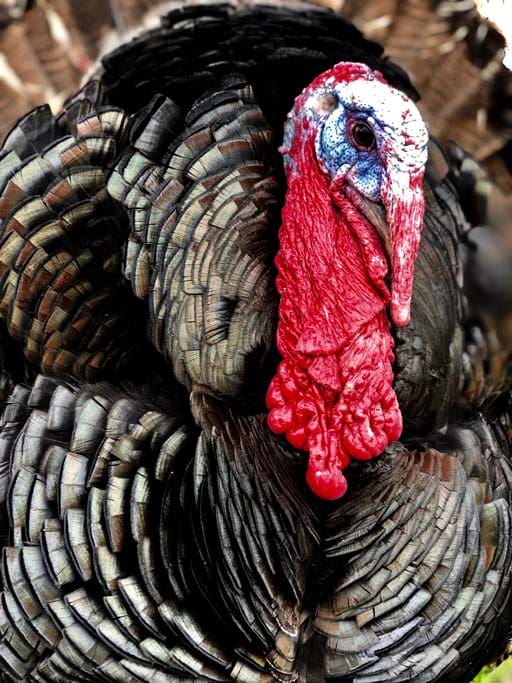 Turkey hunting in the fall often gets overlooked but it can be big fun.
(Photo: Chester Moore)
In Texas, the Rio Grande wild turkey dominates the landscape as all Eastern turkey hunting is off limits. The birds will gather in large numbers and in some counties, hunters can bag either a gobbler or a bearded hen. Check your county regulations before deciding to go on a fall turkey hunt or pull the trigger when one shows up at the deer feeder.
Here are four tips to improve your chances of success while turkey hunting in the fall:
LOCATE FOOD SOURCES: In the fall, turkeys are focused on feeding to prepare for winter, which makes finding their food sources a key to success. In Texas, wild turkeys often forage on acorns, mesquite beans, and other available seeds. Scout for areas with an abundance of these food sources, especially near water, where turkeys are likely to congregate. And yes, corn feeders can be great places to hunt.
USE FLOCK SCATTER TECHNIQUES: Since turkeys travel in large groups during fall, one effective method is to locate and scatter a flock. By breaking up the group TF&G Hunting Editor Lou Marullo said turkeys will instinctively try to regroup.
“After scattering them, you can wait and use lost yelps or assembly calls to draw them back in,” he said.
BE PATIENT AND STILL: Fall turkeys are wary and highly observant. After locating a feeding area or scouting their movements with trail cameras, finding a concealed spot and staying still is essential. Turkeys have incredible eyesight, so wearing camouflage and minimizing movement will significantly increase your odds. Turkeys in some areas are real creatures of habit, but in others they will hit an area for a day or two and then switch things up. You might need to try a few times to figure out the rhythm of your turkeys.
PUT THEM TO BED: Spring turkey hunters know about finding where the birds are roosting and hunt nearby in the morning. This works in the fall too and if you can locate the roost and their early morning feeding spot, you could bag a big gobbler for Thanksgiving dinner.
—story by TF&G Staff
Fun Turkey Facts
