
The Texas Gulf Coast is an exciting place for anglers, but lurking beneath its waters—and even on its shores—are some dangerous creatures that every fisherman needs to be aware of. From reptiles and feral mammals to sharks and bacteria that seem more like something out of a horror film, the threats are real.
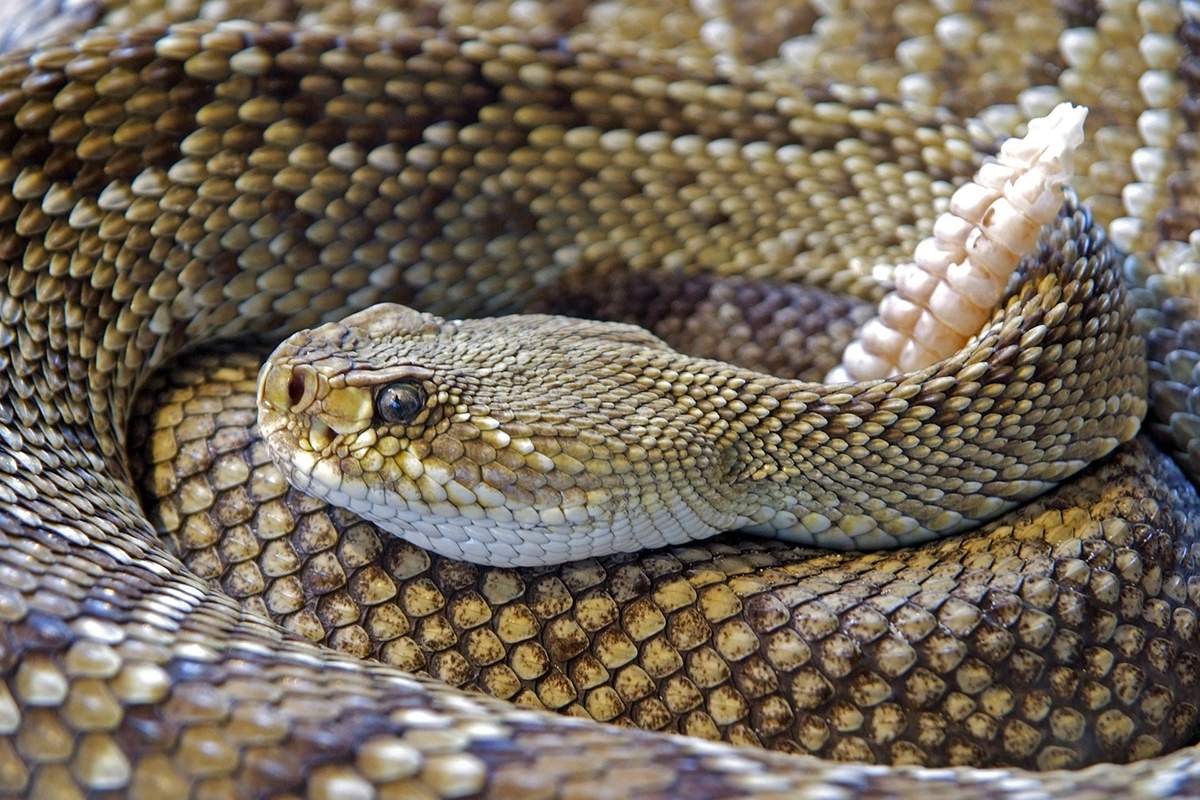
Rattlesnakes, commonly associated with the drier regions of Texas, are actually more prevalent in coastal areas than many realize. Anglers wading in the bays of the Middle and Lower Texas Gulf Coast might be surprised to find them nearby. These snakes can slither onto boats or be found around shorelines, even making their way into the water. They are excellent swimmers and their natural camouflage makes them almost invisible against the grassy or sandy backgrounds where they like to hide. Fishermen need to be cautious when navigating through tall grass or setting up camp near the water’s edge—rattlesnakes are more likely to be your silent, slithering neighbors than you think.
The waters themselves hold some of the more notorious dangers. Bull sharks, one of the most aggressive shark species, are common in the bays along the Texas coast. Known for their ability to thrive in both fresh and saltwater, these sharks often patrol shallow waters where fishermen wade. With their fearless nature, bull sharks will approach areas as shallow as three feet deep, bringing them uncomfortably close to waders. Though shark attacks are rare, the bull shark’s reputation as a top predator in these waters means that anyone wading in coastal waters should always stay vigilant.
Perhaps one of the most insidious threats doesn’t have fins or fangs. Vibrio, a flesh-eating bacterium, thrives in the warm waters of the Gulf, especially during the hot summer months. It’s a living organism that can enter the body through even the smallest cut or abrasion, turning a day of fishing into a life-threatening situation. Once Vibrio infects a person, it can rapidly destroy skin and muscle tissue, causing severe illness or even death. For anglers who wade in these waters, especially with any open wounds, the threat is very real. This microscopic menace can be a deadly companion to an otherwise peaceful day in the surf.

Feral hogs, another coastal danger, may seem out of place, but they are a serious concern for anglers exploring the shorelines. These invasive animals are found all along the Texas Gulf Coast and can be extremely aggressive if startled. With sharp tusks and muscular builds, feral hogs can cause serious injury if they feel threatened. They are particularly common in the marshy areas and estuaries where fishermen may go looking for bait or cast into the water. The shoreline isn’t just home to fish—watch out for these dangerous land dwellers.
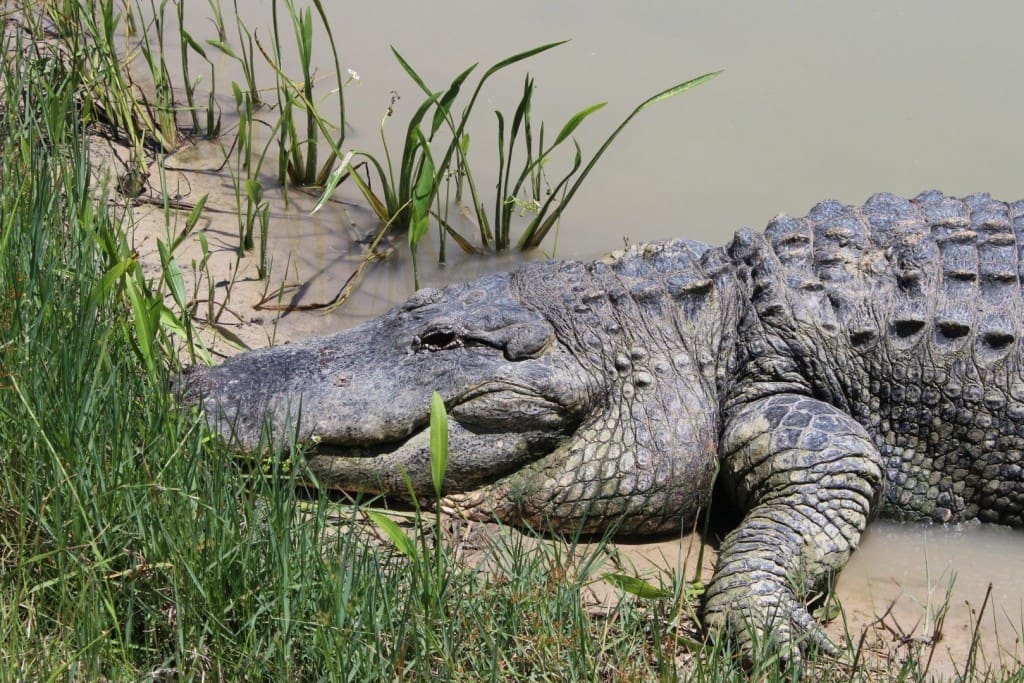
Finally, alligators are a very real threat for kayakers and those fishing from small watercraft on the Upper and Middle coasts. While generally shy, gators can become aggressive if they feel threatened or are defending their territory, especially during mating season. Kayakers, in particular, are at risk because their low-profile vessels can slip into areas where gators are basking. Alligators can launch themselves out of the water with alarming speed, and once they do, there’s little time to react.
These dangers may not always be top of mind when thinking about the Texas Gulf Coast, but they are ever-present. Whether on land or in the water, staying alert and prepared is the key to navigating this beautiful but wild part of Texas safely.