
Twitchbaits are certainly more frustrating to figure out than most lures… but eventually you’ll find that there are times when they’ll out catch basically anything else.
One of the main times to pull a twitchbait out is when you’re wading and need to make long casts while fishing shallow water. Most twitchbaits will cast a mile, and have a sink rate of inches per second. Switch out your trebles for singles, and even if you grab some grasses they’ll usually come off. And while twitch is in the name, most will swim at a constant retrieve as well, which is perfect for covering lots of water quickly. If you’re noticing lots of baitfish around try burning it back and pausing it every few seconds. Keeping it near the surface, and even making it hop out of the water every now and then, will usually drive redfish insane. That being said, don’t work it TOO fast and make sure you don’t forget to pause it – I’ve brought entire schools back to my feet before and spooked them into the next state because I was too excited to give them a chance to eat.
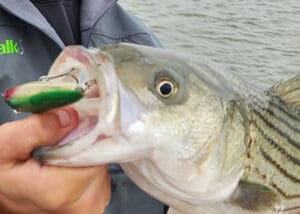
Twitchbaits also shine in the winter when everything’s slowed down. They excel at eliciting strikes since you can work them so slowly, especially when targeting trout in deeper areas or coldwater stripers shadowing bait. Cast out so you’re fishing as horizontal as possible and try to keep your bait near the bottom, using long, slow sweeps with a significant pause so it can sink back down. Faster-sinking twitchbaits can be used to pick bigger trout off of ledges in deeper water during the winter. The concept is the same, just make sure to give yourself enough distance from whatever structure your fishing to keep your bait swimming correctly. As a rule of thumb, try to keep your line above a 45 degree angle to the water.
Another situation that screams “twitchbait” is when there are lots of small croaker around. Twitchbaits usually have a taller profile than soft plastics and other hardbaits, so they are a better representation than a slender bait that represents a mullet or a minnow. And if there’s lots of little croaker around, there are likely plenty of predators close by.