
Crazy weather events can cause some crazy tides, and if your boat lives in a wet slip both abnormal highs and abnormal lows can cause serious damage. Those living along the coast near Galveston may remember that early this year a low pressure system pushing along the coast triggered coastal flood advisories, which isn’t exactly an unusual event. Prior to the system’s passing, tides had been running below normal. Sure, we have tide predictions, but to say the actual water levels along the coast are “predictable” is a bit of a stretch. And if you have a boat in the water as one of these events occurs, it’s important you prepare and protect it.
Get a second opinion from a boat specialist to be more confident about your docking setup. They can check for potential problems you might miss and ensure your boat’s generator is in good working order before bad weather hits. This kind of proactive check-up is a standard service for professional marine repair and generator companies, such as Hatton Power & Marine.
Abnormally High Tides
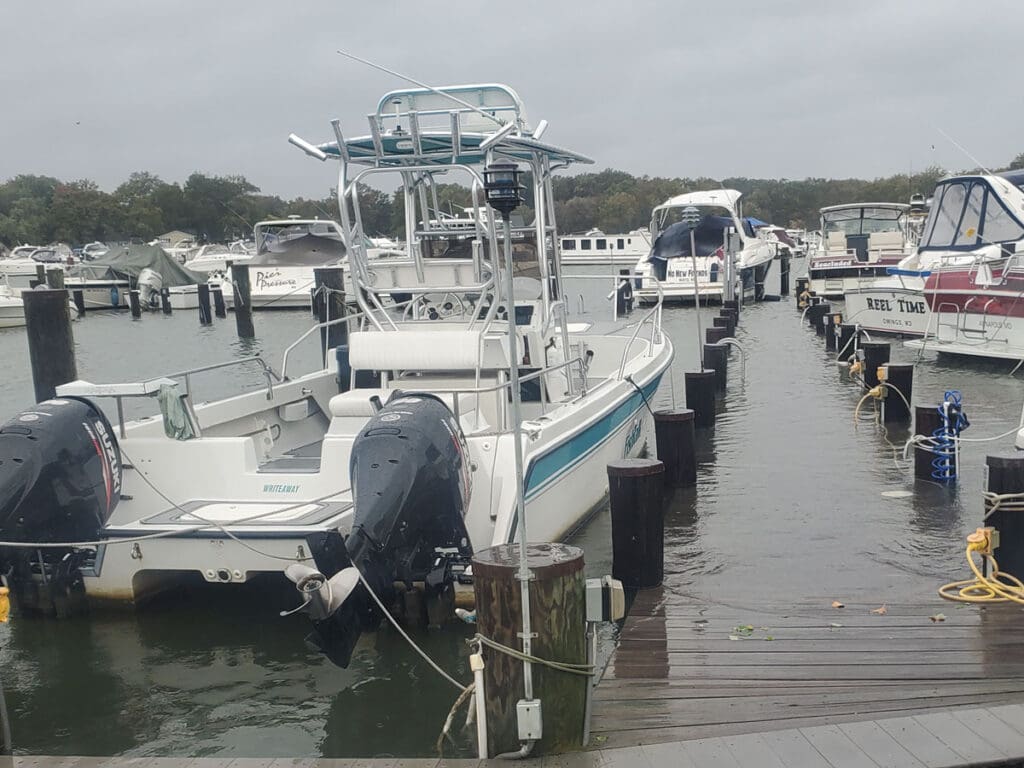
When super-tides are coming, remember that as the boat rises in its slip the effect is the same as lengthening its mooring lines. Attachment points are alwasy well above water level, so as the boat goes up the lines go slack. In the picture seen here, the port lines became so loose that the boat rubbed up against the starboard-side pilings. The owner of this boat lives close by and had been making runs down to the marina to monitor the situation every couple of hours, so he tightened up the port lines to keep the boat farther from the dock. Still, some minor damage to the boat’s rubrail resulted. If the wind had been blowing or the boat wasn’t being checked regularly the results could have been much worse.
Prior to a high-water event check the lines and adjust as necessary, cushion potential touch-points with fenders, and plan on checking the boat through the course of the tide. If you don’t have enough fenders to get the job done strap life jackets around the pilings. They may get ruined, but replacing them is much less expensive than a fiberglass repair. If this isn’t possible, or if the tides will be extreme (such as during a hurricane), the best move is to pull the boat prior to the event and store it on land.
Abnormally Low Tides
Low water is less threatening to boats but can still cause harm. If your boat ends up hanging from the mooring lines, cleats can rip out or lines can break. Again, adjusting the lines prior to an event and making regular check-ups are the key ways to prevent any harm. And again, if the event will be extreme and you can’t regularly visit, get that boat out of the water.