3 Easy Steps to Help You Pull in More Catches of Reds & Specks
Feature Story by PAT MURRAY
LISTEN: (7 min, 42 sec)
ARTICLES THAT PROFESS to offer a number of ways to get better at something I care about always attract me. From cooking to running, if it has three or four defined tips, I am going to read it. I honestly think that is why I like writing similarly focused articles about trout and redfish fishing so much. Often a few focused tips can give someone something new to work with, and possibly more importantly, it gets them into a mindset of improvement. The tips, tactics and items are valuable, but getting a mindset of improvement is priceless in mastering whatever you are pursuing.
In this article I describe several things that I know have made me a better angler through the years, and I am confident they will help you as well. But, one of the keys to making these items work for you is actually doing them.
It is a part of human nature to feel very motivated to do something new, but neglect to ever implement it. With the suggestions in this article, if you think any one or all of them will help you, either do it today or mark it on your calendar with a specific date and time to do it. A simple step like that can ensure that you actually try to affect change and forward your skills in angling.
Get A Great Pair of Sunglasses
I have long written about the importance of having a good pair of polarized sunglasses. From my first pair to my latest set, they have always been an invaluable tool for connecting my senses to the water. The obvious primary value is penetrating the water’s surface and blocking out glare that obstructs your vision, but collaterally, I believe they better connect you to the whole ecosystem you are fishing. They make you acutely aware of the aspects of your visual setting and when you are that focused, it enhances all of your other senses as well. As odd as it sounds, I think a great pair of glasses helps you get better in tune with every noise, subtle tide difference, bay bottom changes and many other important aspects necessary in reading the bay.
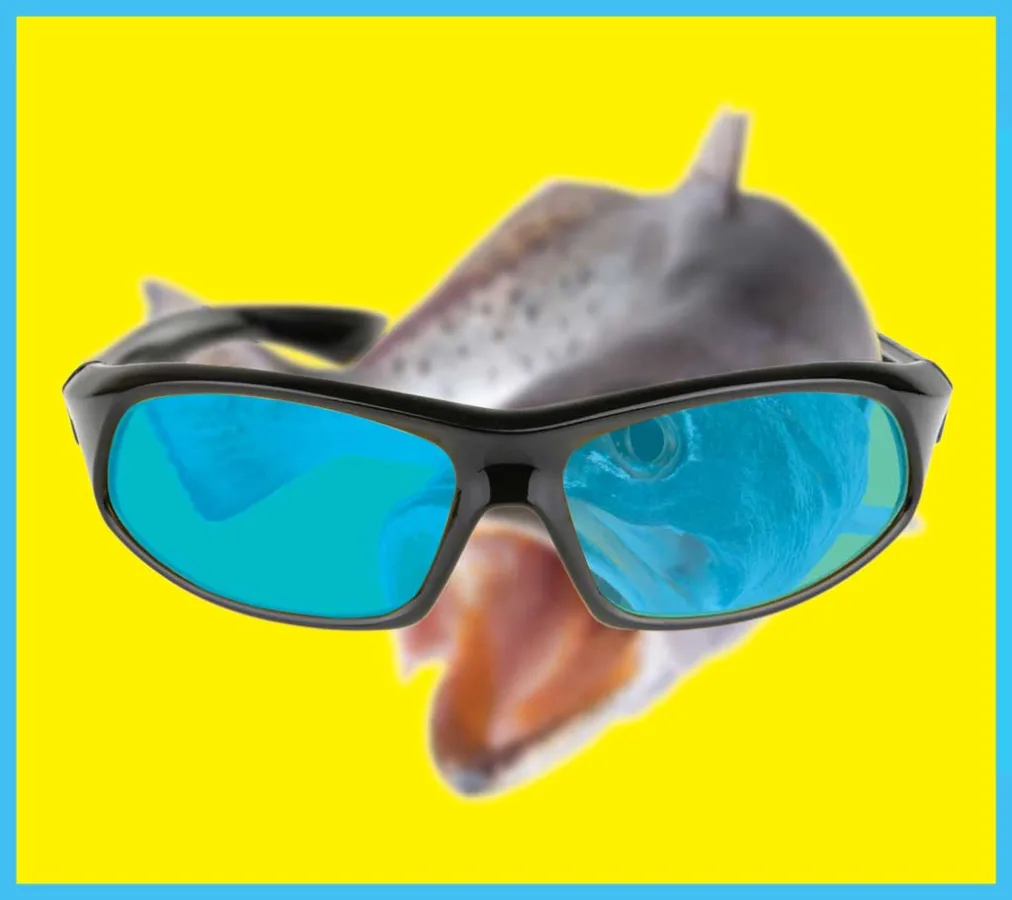 Step 1: Invest in a quality pair of sunglasses.
(Photo: Adobe)
Tighten Up Your Gear
This sounds elementary but is likely one of the easiest ways to become a better angler rapidly. Although there are those gearheads who keep their tackle immaculate and up-to-date, there are many (me included) who have a propensity for letting neglect creep into our favorite passion. It’s easy to do. For me, I return from a fishing trip and often put up my gear in haste. I quickly rinse everything, roughly let lures set out to dry and quickly neglect to focus on all the important details that could directly impact my next trip. Are my hooks sharp? Is it time to change my line? How old is my leader material and have I checked the leader I was using last? Is my reel truly clean? Generally, if I am asking these questions, the answer to every one is at best maybe and most likely no…not great answers. The neglect becomes worse when you honestly think about how few trips you get in through a year, and within that, how many bites are you really going to get? In that perspective, you realize that every trip and every bite matters a lot. Regularly changing your line, taking the time to replace hooks on topwaters and sharpening jigheads can actually make a big difference, and can often be accomplished quickly and at a low price.
Many years ago when I was a fishing guide, I was amazed how many times a group would pay a significant amount of money to book a trip and show up wildly unprepared. They would often drive a long distance to meet me at the dock and still show up with year-old line and a tattered lure box. When you think about basic maintenance in that light, it becomes silly that we would ever neglect it…particularly when it is something you can likely make progress on today.
Go Virtual
I have always been a believer in the fact that the best way to become a better angler is to go fish. If you are observant and open minded, every time you are on the water provides an opportunity for learning and improving. But the truth is for most, you simply do not get the opportunity to go fishing as much as you would like. Remarkably, as misleading and manipulative as the internet and social media can be, there is also a lot of good information to find if you are willing to look for it. Honestly, I never thought I would recommend that. For years, I chastised friends who would reference something they learned from a YouTube video or Instagram post. It was laughable to me, but I must admit, my opinion has changed. In some cases, anglers’ desire to boast and brag can overtake their sensibility to keep the exact details of their successful fishing pattern to themselves. It’s kind of ironic. They show what they are doing with every possible marker as to where they are, and at times you are able to actually get that information in real-time. Although it may not be immediately valuable due to timing on your next trip, it can still be critical information that provides a new pattern and methodology in your game plan for the future.
Additionally, there are those guides and anglers who truly have the heart of a teacher and want to convey positive and productive information. Although they will thoughtfully withhold some of the critical details to ensure they can stay on their successful patterns, they pass along vital information on bait selection, general seasonal and conditional patterns and provide a sound insight into their tactical thinking in the various environmental conditions. Capt. Jay Watkins has historically been a leader in this, and as crusty and set in my ways as I can be, I find myself regularly gaining insight into new lure styles and designs from his Instagram feed that I otherwise would have completely missed. Additionally, when you are hearing and seeing these insights from people who you trust and are putting in the hours, you get the added and critically valuable addition of confidence in your new found insights.
There is no one tip, tactic or insight alone that will make you a better angler. But, by making sure you always try to be a student of angling, you will never stop improving. I am often reminded of an ancient Japanese saying, “Never lose your beginner’s spirit.” That applies in so many aspects of life, but undoubtedly, it perfectly fits fishing. If you are always passionate about learning, you are always improving. That may be the best tip of all.
—story by PAT MURRAY
