
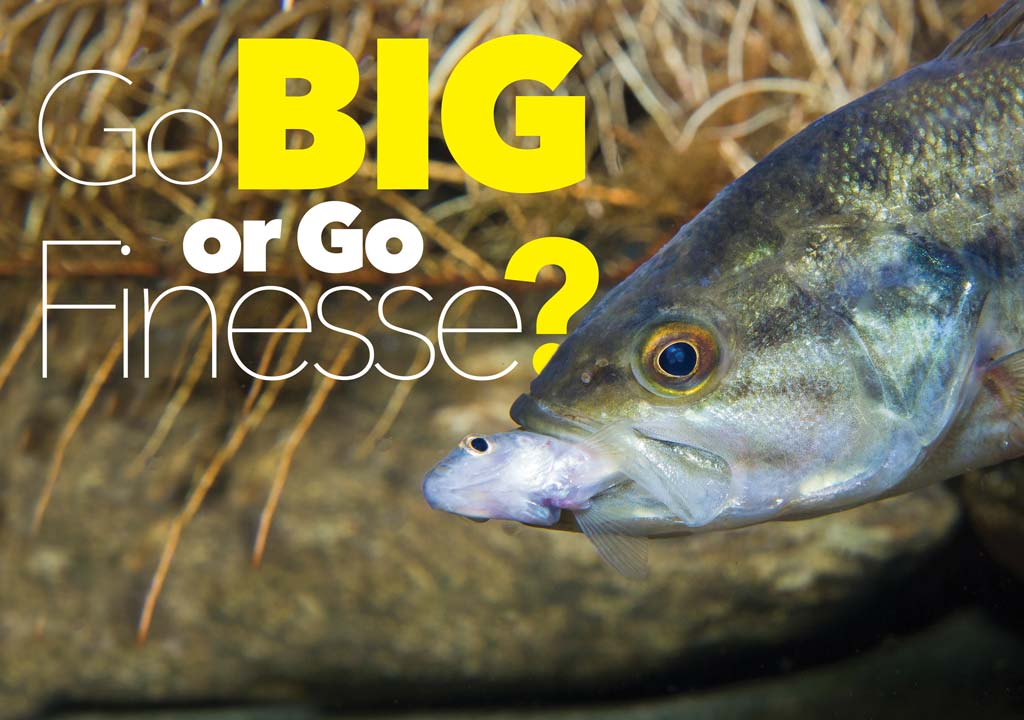
A Guide for When to Fish BIG & BOLD or SMALL & SUBTLE for Texas Bass
Feature Story by PAUL FUZINSKI
LISTEN: (4 min, 19 sec)
BASS FISHING IN TEXAS, with its sprawling reservoirs and legendary lakes, presents anglers with both opportunities and challenges. Whether you’re chasing a trophy largemouth in Lake Fork or navigating the grassy shallows of Sam Rayburn, choosing between giant lures and finesse techniques can make or break your day. Here’s a guide to understanding when to go big and bold or small and subtle.
1. Seasonal Influence: Matching the Mood of Bass
In spring, during the pre-spawn and spawn, bass are aggressive. This is the perfect time to throw giant lures like swimbaits or oversized crankbaits. However, in the heat of a Texas summer, bass often retreat to deeper, cooler waters, where finesse techniques such as drop shots and Ned rigs shine. Adapt your strategy to the season to maximize success.
2. Weather Patterns and Light Levels
Cloudy, overcast days or early mornings favor giant lures. These conditions embolden bass to chase large prey. On bright, clear days, finesse lures often outperform, especially in high-pressured lakes where bass are skittish. Pay attention to the sky and adjust your presentation accordingly.
ADVERTISEMENT
3. Water Clarity Dictates Approach
In murky waters common after Texas storms, loud, oversized lures with bright colors help bass locate the target. Conversely, in clear water reservoirs like Lake Amistad, subtle presentations using finesse worms or jigs often produce more strikes. Giant lures might spook bass in such pristine conditions.
4. Targeting Aggression vs. Cautious Feeders
When bass are actively feeding or during competitive scenarios like schooling, they’ll strike at almost anything big. Large topwater lures or glide baits can create exciting moments. When bass are lethargic or heavily pressured, finesse lures mimicking a small, easy meal will coax bites from hesitant fish.
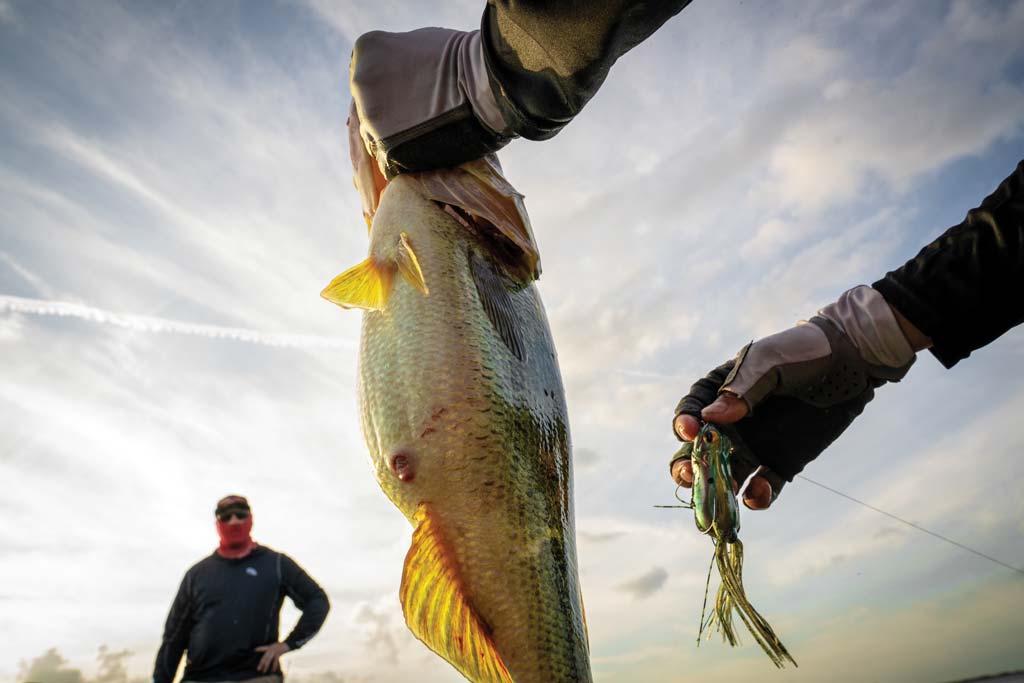
In heavy vegetation, frogs or bulky jigs can punch through cover.
(Photo: Adobe)
5. Structure and Cover Considerations
Heavy vegetation, timber, or dense brush piles are ideal for big lures like frogs or bulky jigs that can punch through cover. In sparse vegetation or rocky bottoms, finesse lures excel as they mimic small, natural prey and avoid snagging.

ADVERTISEMENT
6. Trophy Hunting Calls for Bigger Bait
If you’re targeting a lunker bass—the kind Texas is famous for—giant lures are your best bet. Larger prey items naturally attract larger predators. But remember, trophy fish are often solitary and wary, so presentation and patience are key.
7. Pressure from Other Anglers
Texas lakes are popular, and bass in pressured waters can become conditioned to avoid big, flashy lures. In these situations, finesse presentations stand out as they mimic natural prey and offer a quieter, less intrusive approach.
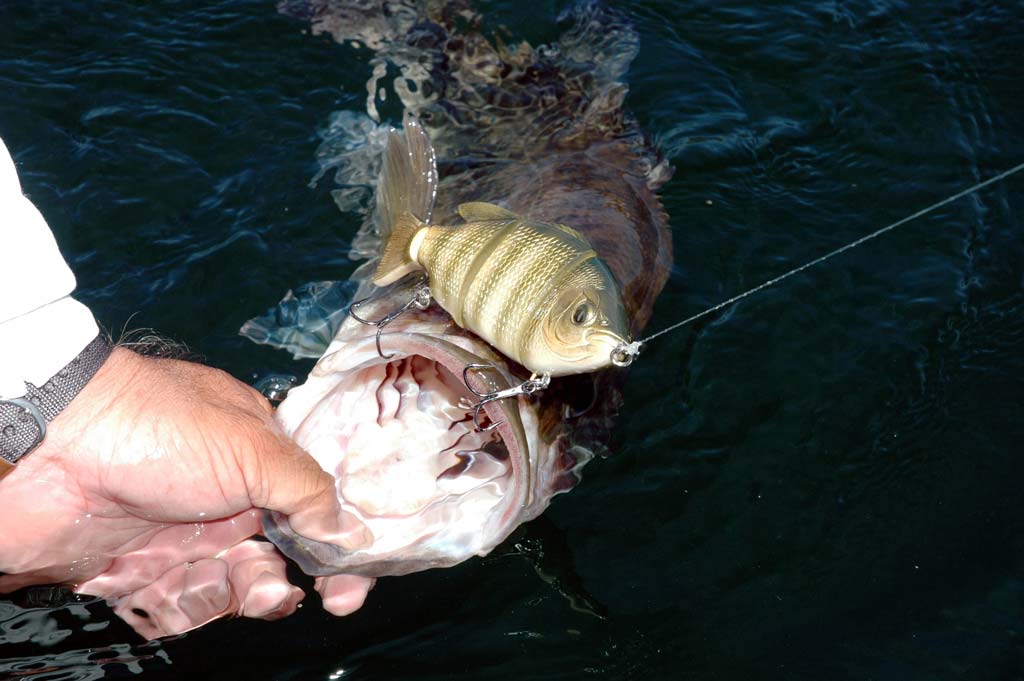 If you’re going after trophy bass, the bigger the bait, the better.
(Photo: John Felsher)
8. Matching the Hatch
Pay attention to the size of baitfish in the lake. When shad or bluegill are abundant and large, use big lures to match their size. However, if the forage base consists of smaller minnows or young shad, downsizing to finesse techniques can yield more bites.
9. Time of Day Adjustments
Big lures are most effective during low-light conditions—dawn, dusk, or nighttime, when bass are more likely to hunt actively. During midday, when bass often hunker down in deeper water, finesse presentations become invaluable for drawing strikes.

10. Reading Bass Behavior
Observing bass activity is essential. When they’re chasing bait aggressively, giant lures can mimic fleeing prey effectively. If bass appear neutral or uninterested, a slower finesse approach, like dragging a shaky head worm, can change the game.
Fishing for bass in Texas requires adaptability. Giant lures and finesse techniques each have their time and place, and learning to read the conditions and the behavior of your quarry is crucial. Whether you’re targeting the shallow grass of Lake Fork or the deep ledges of Toledo Bend, balancing boldness with subtlety ensures success. So next time you hit the water, pack your swimbaits and your drop shots—Texas bass will let you know what they prefer.
—story by PAUL FUZINSKI
DIGITAL BONUS: Best Finesse Rig
