
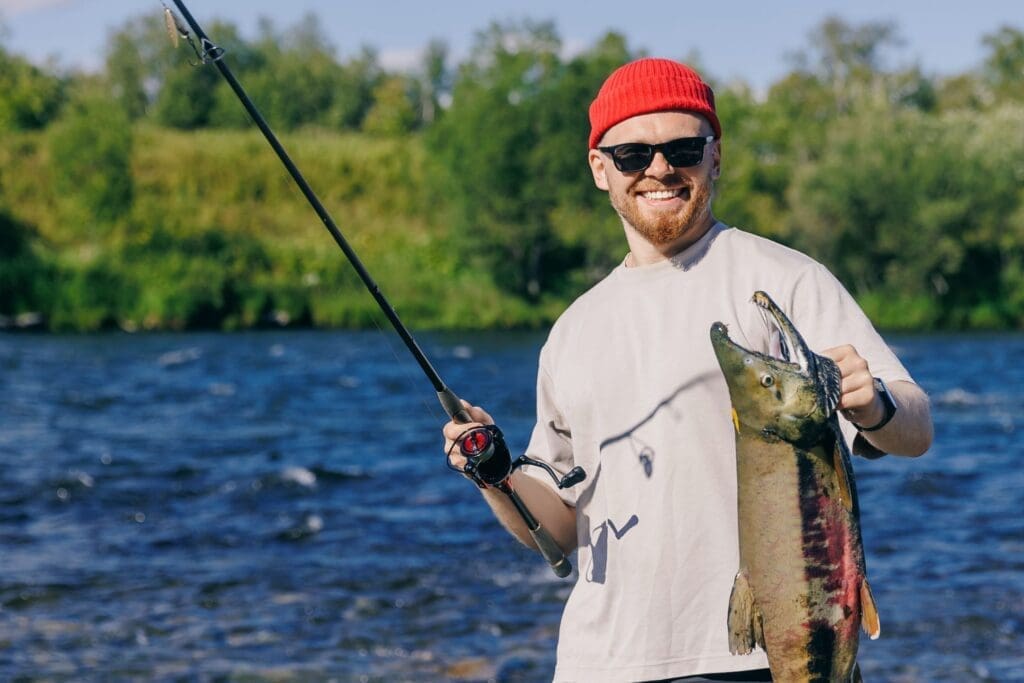
How To Plan The Ultimate Fishing Trip Like A Pro
Fishing is an art form that requires preparation, skill, and a deep appreciation for nature. Whether you’re a seasoned angler or a beginner looking to dive into fishing, planning the ultimate fishing trip can be a rewarding experience. Every detail matters from choosing the right location to packing the essential gear.
This guide will walk you through the steps to make your next fishing adventure unforgettable.
Choose the Perfect Location
The first step in planning a successful fishing trip is selecting the right location. Research is key. Consider the type of fish you want to catch, the time of year, and the environment you prefer—whether it’s freshwater lakes, rivers, or saltwater oceans.
If you’re seeking a world-class experience in various exciting fishing destinations, seeking reputable services like the St Laurent fishing guide service would be an excellent start as they offer expert-led trips in some of the most pristine and calm waters. Their local knowledge and professional guidance can make all the difference in finding the best spots and ensuring a successful outing.
Understand the Local Regulations
Fishing regulations vary by location, so familiarize yourself with the rules before heading out. Fishing licenses, catch limits, and seasonal restrictions are common requirements. Ignoring these regulations can result in fines or penalties, quickly ruining your trip. Also, check with local authorities or fishing guides to ensure compliance and to stay informed about any changes.
Gather the Right Gear
Having the appropriate gear is essential for a successful fishing trip. Start with a reliable rod and reel combo suited to the type of fishing you plan to do. For example, fly fishing requires different equipment than deep-sea fishing. Don’t forget essentials like bait, lures, hooks, and a sturdy tackle box. Other items to consider include a fishing net, pliers, and a knife. If you’re unsure what to bring, consulting with a professional service can provide valuable insights tailored to your needs.
Check the Weather and Water Conditions
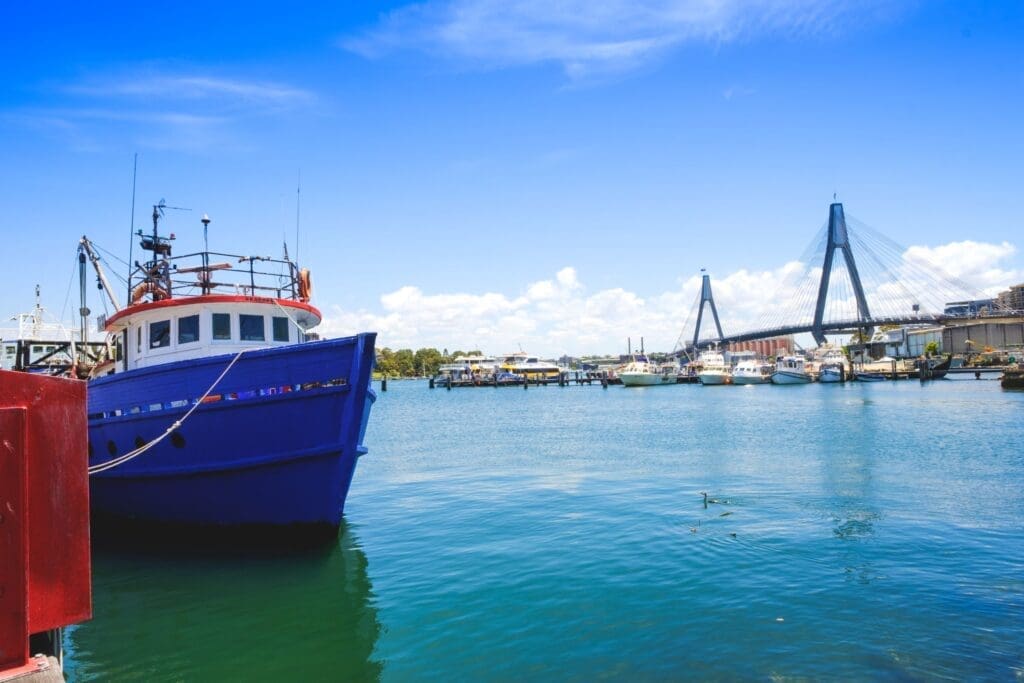
Weather and water conditions also play a significant role in fishing success. Calm, overcast days are typically ideal, as fish are more likely to be active. Use reliable weather apps or websites to monitor forecasts leading up to your trip. Additionally, pay attention to water temperature and tides, as these factors can influence fish behavior. Being prepared for changing conditions ensures a safer and more productive outing.
Plan Your Itinerary
A well-planned itinerary can make your fishing trip more enjoyable and less stressful. Decide on the duration of your trip, whether it’s a day trip or a multi-day excursion. Factor in travel time, meal breaks, and rest periods. If you’re traveling to a remote location, arrange accommodation in advance. If you’re embarking on guided trips, many reputable service providers often handle logistics, allowing you to focus solely on the experience.
Pack Smart
Packing efficiently is crucial for a smooth fishing trip. Create a checklist to ensure you don’t forget any essentials. In addition to fishing gear, bring appropriate clothing, sunscreen, insect repellent, and a first-aid kit. Don’t forget snacks and plenty of water to stay hydrated. If you’re planning to keep your catch, bring a cooler with ice to preserve the fish. A well-packed bag can save time and prevent unnecessary stress.
Learn Basic Fishing Techniques
Even if you’re an experienced angler or one of the fishing enthusiasts, brushing up on your skills can enhance your trip. Practice casting, knot-tying, and baiting hooks before you go. If you’re new to fishing, consider taking a beginner’s course or watching instructional videos. Understanding the basics will boost your confidence and increase your chances of success. Professional guides can offer hands-on instruction and insider tips if you want to refine their techniques.
Respect the Environment
Responsible fishing is about preserving the environment for future generations. Practice catch-and-release when appropriate and avoid littering or disturbing wildlife. Use biodegradable materials whenever possible and follow Leave No Trace principles. By respecting nature, you can contribute to the sustainability of fishing ecosystems.
Capture the Memories
A fishing trip is an experience worth remembering. Bring a fishing buddy and a camera or smartphone to capture photos of your catch, the scenery, and your companions. Consider keeping a fishing journal to document your adventures, including the species you caught and the fishing techniques you used. These memories will be a lasting reminder of your time on the water.
Reflect and Improve
After your trip, reflect on what went well and what could be improved. Did you catch the fish you were targeting? Was your gear sufficient? Use this feedback to plan even better trips in the future. Continuous learning and adaptation are key to becoming a pro angler.
Final Thoughts
Planning the ultimate fishing trip requires careful preparation, attention to detail, and a passion for the sport. By remembering the information mentioned above, you can create an unforgettable fishing experience. Whether you’re fishing solo or with a guide service, the key is to enjoy the journey as much as the catch. With these tips, you’ll be well on your way to planning a fishing trip like a pro.