
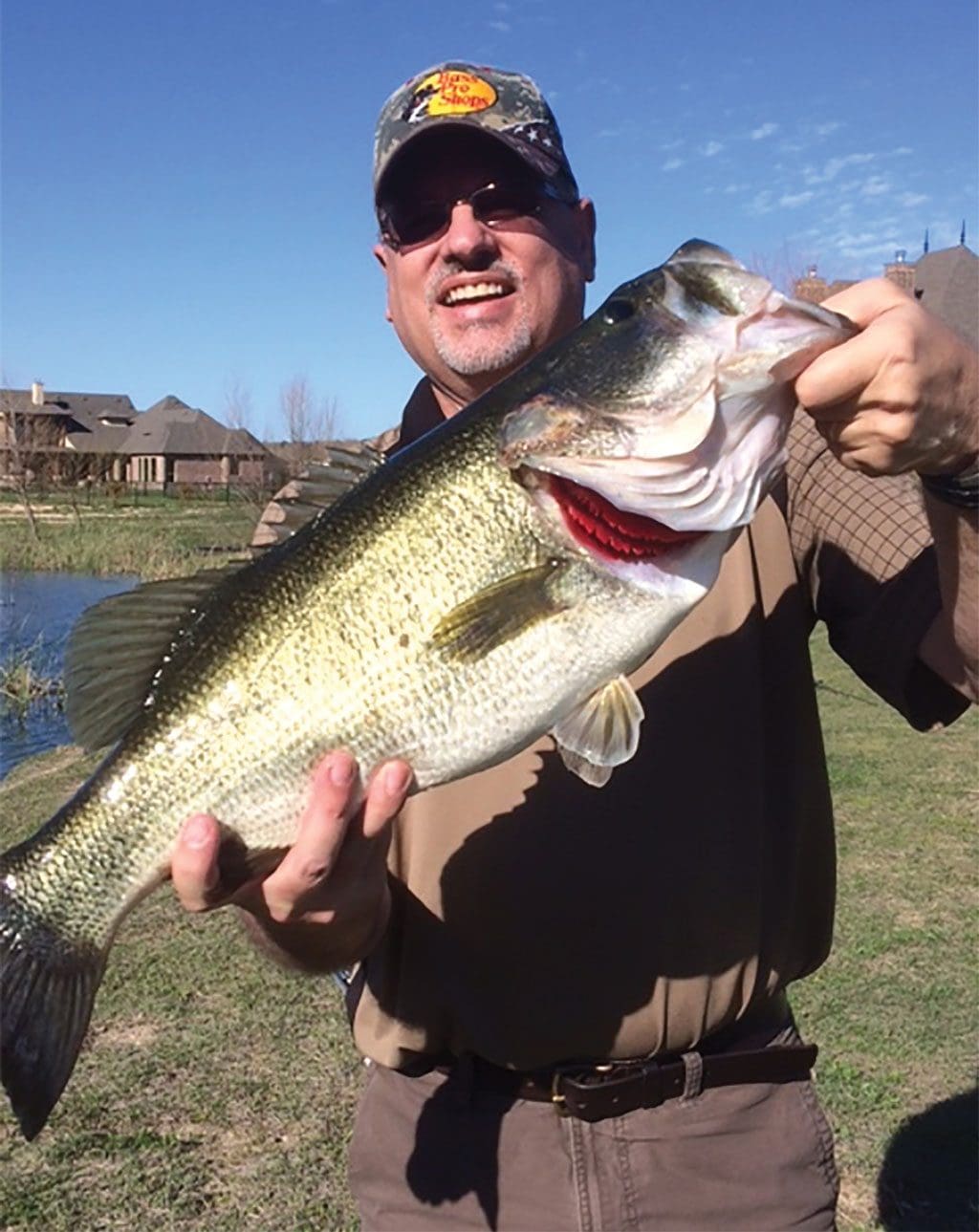
Looking for some serious fishing fun? Then try pond fishing for bass this spring.
It’s a great time to catch big fish and get in on lots of action. Try these five tips to score more on big bass in small bodies of water.
1. Start Shallow in the Morning
In early spring, largemouth bass often move into shallow water to feed and prepare for spawning. Focus on areas that warm up the fastest—usually the north or northeast banks that get the most sun. Shallow flats near cover like logs, stumps, or rocks are key spots. Use soft plastics, spinnerbaits, or jerkbaits early in the day.
2. Match the Hatch
Springtime forage includes crawfish, small bluegill, frogs, and insects. Choose lures that mimic what bass are naturally feeding on in your specific pond. Green pumpkin, watermelon, or bluegill-patterned baits are often effective. Jigs with craw trailers, soft swimbaits, and frog lures can trigger strikes when they match local prey.
3. Fish the Windblown Bank
Wind pushes warmer surface water, baitfish, and oxygen toward the downwind side of the pond. These areas often attract active bass. Cast parallel to the windblown shore and target any cover—like brush, overhanging trees, or grass edges—where bass may be ambushing prey.
4. Slow Down Your Presentation
Spring water can still be cold, and bass may not be fully aggressive yet. Slow retrieves are crucial. Let jigs sit longer, work soft plastics slowly along the bottom, and pause often with jerkbaits or suspending lures. Bass often strike during these pauses or subtle movements, so stay patient and attentive.
5. Observe and Adapt
Pay attention to your surroundings and adjust your approach based on what you see. If bass are cruising shallows or guarding beds, switch to sight fishing with soft plastics or weightless stick baits. If you notice baitfish activity or topwater movement, try faster or more aggressive lures. Conditions can shift fast in spring—being flexible is the key to consistent success.
These five tips—working shallow water early, mimicking local forage, targeting windblown banks, slowing down, and staying observant—will give you a strong edge when pond fishing for largemouth bass in the spring.
4o