
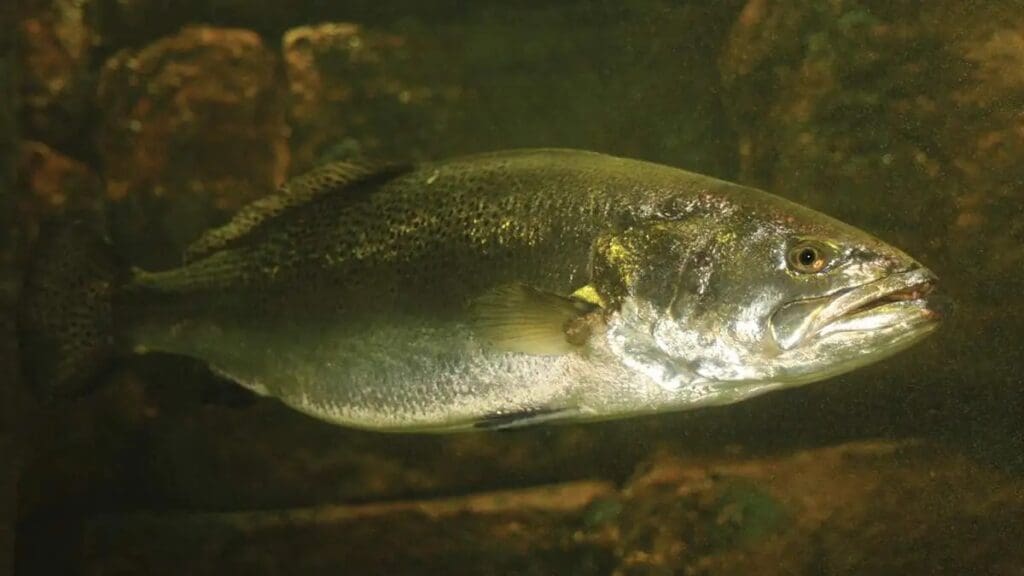
As the Texas coast warms up in spring, speckled trout –specks-start feeding more aggressively, making it prime time for anglers to chase these silver predators. Here are the top tips for targeting specks in springtime, point-by-point:
1. Target Warm Water Early
Trout wake up with the sun. In early spring, look for warmer pockets of water, especially in the afternoon. Shallow flats, mud bottoms, or areas near shell can heat up faster and draw baitfish—and trout.
2. Fish the Incoming Tides
Speckled trout use tidal flow to ambush bait. On incoming tides, focus on points, guts, and drains where water pushes into marshes or shallow bays. The moving water stirs up bait and brings in the trout.
3. Follow the Bait
If you see mullet jumping or bait dimpling the surface, cast there. Specks are rarely far from the buffet. Bird activity—especially terns and gulls diving—is also a dead giveaway of feeding fish below.
4. Use the Right Lures
Soft plastics like paddle tails or split-tail jerkbaits on 1/8 oz jigheads are spring staples. Natural colors like white, chartreuse, and pumpkinseed work best in stained water. In clearer bays, try shrimp imitations or topwater plugs during low wind.
5. Don’t Sleep on Topwater
On calm mornings, nothing beats the heart-racing blow-up of a trout hitting a topwater. Walk-the-dog lures like the Super Spook Jr. are deadly, especially near grass lines or sand pockets at sunrise.
6. Go Light for More Fight
A medium-light rod with 10-12 lb braided line and a fluorocarbon leader gives you casting distance and sensitivity without spooking fish in clearer spring water.
7. Be Stealthy in the Shallows
Poling, drifting, or wading quietly can make a huge difference. Loud trolling motors or boat traffic will send trout scattering, especially on calm, clear mornings.
8. Catch, Photograph, Release-Specks
Speckled trout populations are still recovering in some Texas bays, especially after recent freezes. Consider CPR—Catch, Photograph, and Release—for bigger trout over 20 inches to help the fishery stay healthy.