
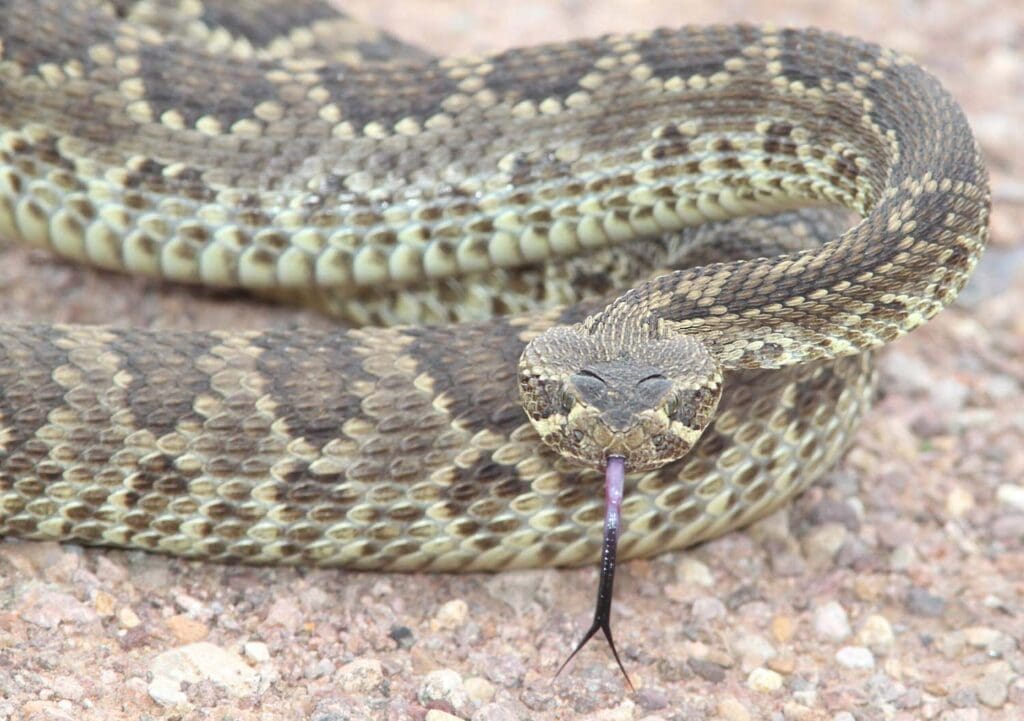
Whether you’re hiking a remote trail, fishing along a riverbank, or stalking game in rugged terrain, encountering a rattlesnake is a real possibility in many parts of North America. These venomous reptiles are an important part of the ecosystem, but a surprise encounter can lead to serious injury if you’re unprepared. By following a few simple precautions, hunters, fishermen, and hikers can reduce the risk of snakebite and enjoy the outdoors safely.
Awareness:
-
Be alert and aware of your surroundings, especially in warm weather.
-
Rattlesnakes are active from spring through early fall, especially during the day in cooler months and at dusk/dawn in summer.
-
Learn what rattlesnakes in your area look like and where they’re likely to be found.
Avoiding Encounters:
-
Stick to well-used trails and avoid tall grass, rock piles, and dense underbrush.
-
Don’t put hands or feet where you can’t see — such as under logs, rocks, or in crevices.
-
Use trekking poles or a stick to probe ahead in thick brush or poor visibility areas.
-
Listen for the distinctive rattling sound — it’s a warning to back away slowly.
Protective Gear:
-
Wear long pants, thick socks, and high boots to protect your lower legs.
-
Consider snake gaiters or chaps for added protection, especially when hunting or moving through brush.
-
Use gloves when handling firewood, gear, or reaching into tackle boxes or bags.
Behavior Around Snakes:
-
Never try to touch, catch, or kill a rattlesnake.
-
If you see a snake, back away slowly and give it plenty of space.
-
Teach children and inexperienced outdoorsmen not to approach wildlife.
Emergency Response (If Bitten):
-
Stay calm to slow the spread of venom.
-
Call emergency services immediately (911 in the U.S.).
-
Keep the bitten limb immobilized and at or below heart level.
-
Do not apply ice, tourniquets, or attempt to suck out venom.
-
Get to the nearest medical facility for antivenom treatment.
Planning & Preparation:
-
Tell someone your route and expected return time.
-
Carry a fully stocked first aid kit and know how to use it.
-
Avoid solo trips in snake-prone areas if possible.
-
Check boots, sleeping bags, and gear before use in snake habitats.