
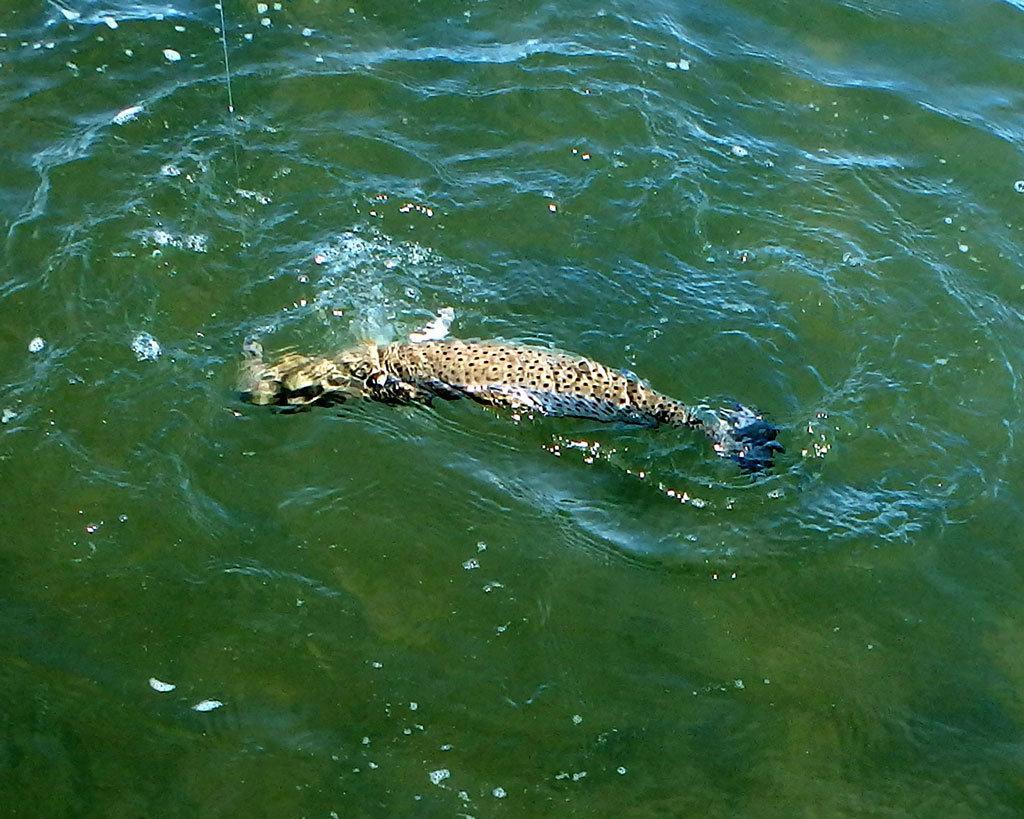
Spring marks the start of something special on the Texas Gulf Coast: reefs come alive, baitfish like sand eels swarm the shallows, and hungry speckled trout move in. Matching the hatch with soft plastic baits is key—and while traditional swimbaits work well, you might be surprised at what else gets bit.
Here’s a breakdown of how to effectively fish soft plastic worms—including some you may already own for bass—to target speckled trout on inshore reefs.
*Focus on shell and mixed-bottom reefs, especially those near the mouths of bay systems. These areas tend to gather bait like sand eels, small mullet, and shrimp. Subtle current lines, slicks, and bait flickering near the surface are great signs that trout are present.
*Standard sand eel imitations are a great starting point. Lures like the Berkley Gulp! Saltwater Sand Eel, Z-Man Scented Jerk ShadZ, and Savage Gear Sandeel are designed specifically for saltwater and have proven effectiveness.
But don’t stop there—bass-style soft plastic worms can also be deadly.
*When trout are feeding on long, skinny bait like sand eels, straight-tail worms in the 6″ to 13″ range can trigger bites. A slow-drifting 10″ ribbon-tail worm might seem out of place, but it presents a similar profile and subtle movement that mimics an injured eel or ribbonfish. Sometimes, those oversized baits even draw in the biggest trout on the reef.
*For shallow reefs with light current, use a 1/8-ounce jighead or weighted swimbait hook. For deeper or faster water, bump it up to 1/4 ounce. Use enough weight to keep contact with the bottom but not so much that you plow through the reef.
Weedless hooks work great for bass worms and help reduce snags on shell-heavy structure.
Whether you’re using a purpose-built eel bait or a bass worm, the key is a slow, controlled retrieve. Cast up-current, let the bait settle near the bottom, and then give it soft lifts or twitches. Allow long pauses to let the lure glide and settle like a stunned baitfish.
Specks often hit on the fall, so stay alert and last year we published an article about swimbaits and sand eels.“Soft plastic swimbaits that mimic the appearance and movement of sand eels are particularly effective in these environments. Their design allows anglers to cover extensive areas with a simple retrieve…”
— Catching Trout on Swimbaits and Eel Imitations
Springtime strikes can be subtle. Use a sensitive rod and consider switching to braided line with a fluorocarbon leader to detect light bites and maintain control when working larger plastics.
Even when using bigger baits, you don’t need heavy gear—medium-action rods and 10–15 lb braid work well and still allow for finesse.
Many anglers stick to shrimp or mullet profiles out of habit. But when sand eels are the main forage, trout respond better to long, slender profiles. That opens the door to using soft plastic worms you might already have for freshwater bass.
Some days, the 4-inch paddle tail gets eaten. Other days, it’s the 13-inch worm crawling along the reef that draws explosive strikes. The key is matching the movement and size of what the fish are already targeting.