
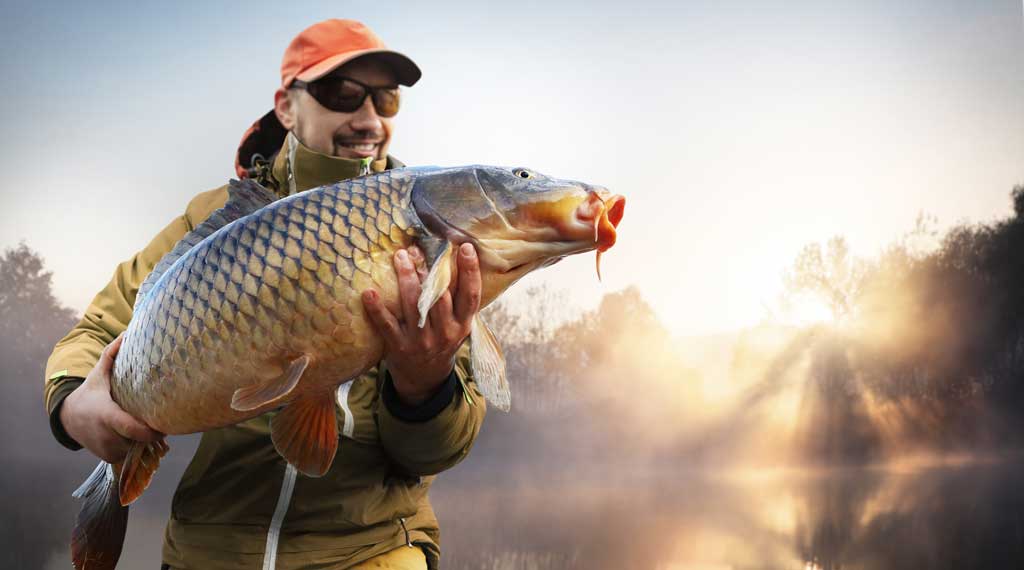
The Ultimate All-Season Carp Angling Guide
Do you want to make the most of your fishing experience?
Carp fishing comes with a variety of challenges depending on the time of year. Whether you’re fishing in December or enjoying the warm summer weather, understanding carp behaviour throughout the seasons can make all the difference.
That’s why, in this article, we’ll share seasonal fishing tips to help you succeed no matter the conditions. This guide will help you land more carp – whatever the weather.
Ready to get started? Let’s go!
Spring: Awakening
During spring, temperatures start to rise and carp become more active, exploring their surroundings more frequently. They often move towards areas that warm up quickly, making this one of the best seasons for fishing.
There are several types of bait you can use to make your session even more effective. At this time of year, we recommend using high-protein boilies, from trusted, high-quality brands, For example, DNA Baits offers a range made from shrimp, liver and krill – designed to meet carp’s dietary needs year-round.
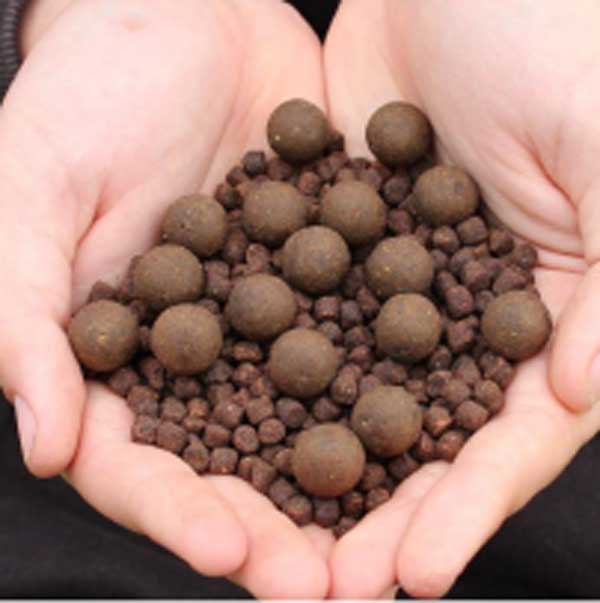
By late spring, it’s worth noting that carp tend to feed more heavily to build up energy. Make the most of this opportunity! However, it’s important not to overfeed the spot.
Summer: Hungry Carp
In summer, carp tend to move around much more due to the warmer water temperatures, which also makes them feed more frequently.
Bear in mind that it’s important to consider spawning. Before carp begin to spawn, they’re often highly active – making this a great time for fishing. However, once spawning starts (typically in May), it’s best to leave them undisturbed so they can complete their natural reproductive cycle.
After spawning – which usually takes place in June – carp look to regain the weight they’ve lost. This is an ideal time to use high-protein baits to help them restore their energy levels. We recommend improving your bait quality by combining boilies with pellets to keep them feeding for longer periods.
Autumn: Feed-Ups
In September, temperatures begin to drop, prompting carp to feed more heavily as they prepare for winter. We love this time of year, as it’s much more likely you’ll hook into a big carp. In fact, many experienced anglers use this season to try and break their personal bests.
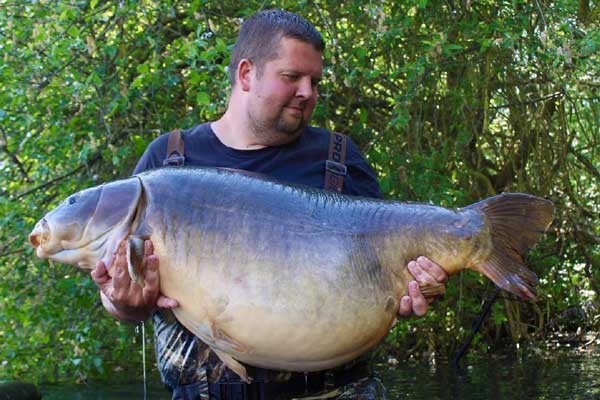
During these months, carp not only feed more regularly but also become more predictable, making them easier to target. Just bear in mind that they tend to move into deeper waters.
If you’re planning to fish during this season, the whole day can be productive – but the morning hours are especially promising.
Winter: Precision
If you’re planning to fish during winter, you’ll need to be patient, as carp tend to be inactive and feed far less due to the cold water temperatures.
While fishing in winter can be more challenging, it’s by no means impossible – it just requires a more technical approach.
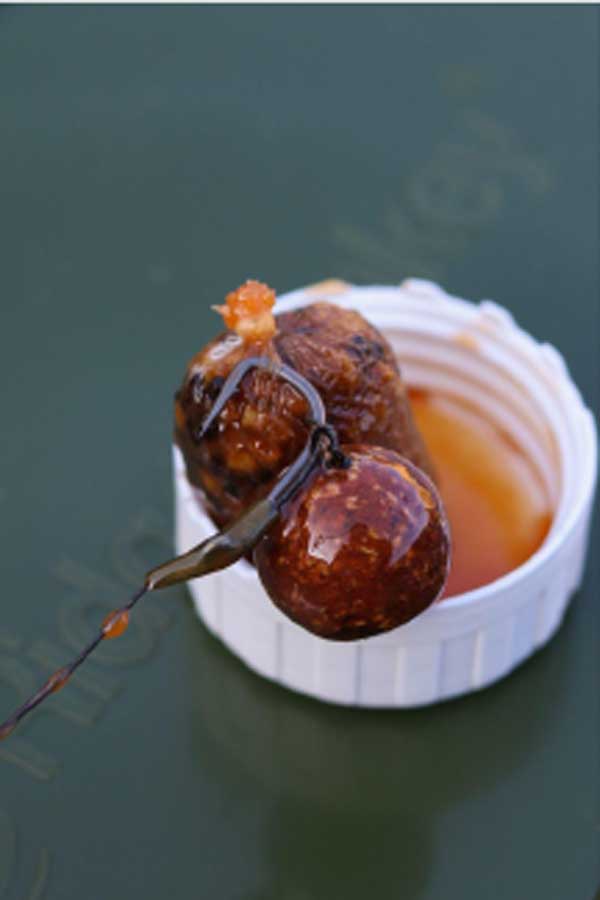
We recommend using small, brightly coloured pop-ups (12mm), glazed in booster liquids. There’s a wide variety of highly attractive pop-ups available – look for fluoro options that stand out even in murky or low-light conditions.
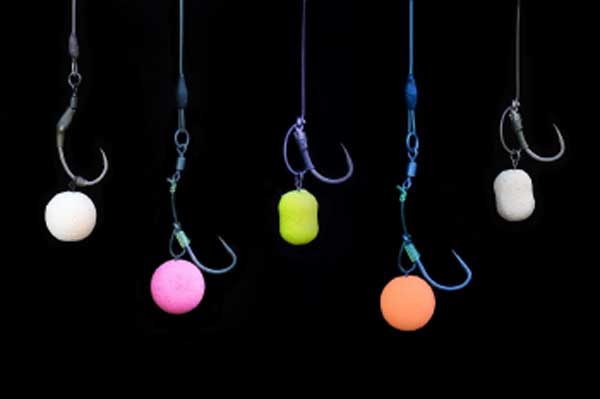
Don’t forget that booster liquids can also play a key role in increasing your chances of success. Many products are packed with flavour-rich additives that are ideal for cold-water fishing.
Maggots can also be a real game changer as temperatures begin to stabilise in deeper water.
In addition to these tips, remember that during winter, carp tend to hold in deeper areas where the water temperature is more stable. That’s why fishing around midday – when the water is at its warmest – can be your best window of opportunity.
Gear Up for Year-Round Success
While seasons like autumn can offer greater chances of success, never forget that understanding carp behaviour throughout the year makes all the difference.
Remember: in spring, carp become more active and feed more frequently; in summer, their activity peaks due to the warmth; in autumn, they feed heavily to prepare for winter; and in winter, their metabolism slows down and they eat far less. Paying attention to their behaviour and using high-quality bait is essential year-round.
Thanks for reading!