
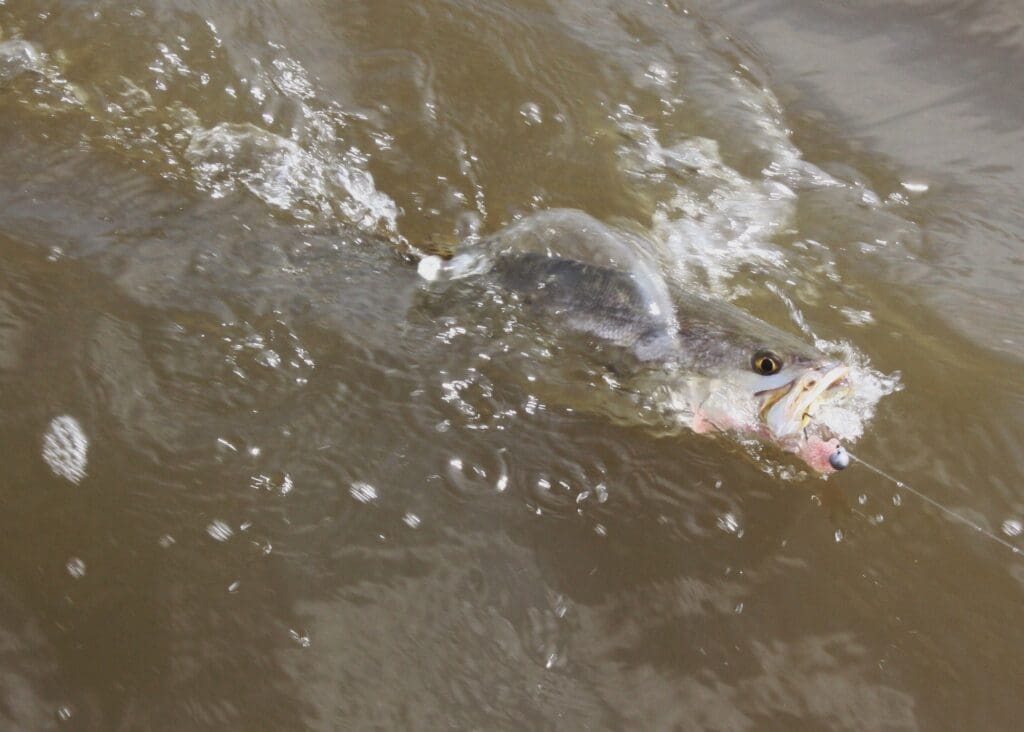
For many anglers this spring has flat-out been terrible.The winds have been brutal-blowing 30 plus miles an hour for days on end and it makes fishing for specks particularly difficult. Yet, experienced anglers know that some of the best trout can be caught on windy days—if you know how to adapt.
Here’s a step-by-step guide to successfully chasing speckled trout when the wind picks up.
Embrace the Wind Direction
Key Tip: Focus on protected shorelines and wind-driven water movement.
-
Fish the leeward side of bays, islands, and marsh shorelines where wind isn’t blowing directly into your face. These areas often have better water clarity and less boat chop.
-
On the windward side, bait is often pushed along the banks—making it a feeding zone for trout. If water clarity is decent, this can be a hot spot despite rougher water.
-
Use wind to drift-fish, letting your boat quietly glide over grass flats or shell beds while covering more area.
Downsize and Go Natural On Windy Days
Wind stirs up sediment and lowers visibility. You want to maximize your chances of getting noticed:
-
Use soft plastics with paddle tails in natural or dark colors like plum/chartreuse or morning glory.
-
Topwaters can still produce in rough chop, but switch to suspending twitch baits for more subtle presentations.
-
Heavier jig heads (1/4 oz or 3/8 oz) help keep your bait down when the current or drift is strong.
Target Structure That Holds Trout
When the wind kicks up, trout will hug structure for protection and feeding:
-
Reefs, drains, points, and shell beds are ideal. Wind-blown current pushes baitfish across these zones, turning them into trout buffets.
-
Marsh cuts and channel edges: these funnel bait and give trout ambush cover.
-
Use your electronics or maps (like Navionics) to identify high-percentage structure in protected water.
Water Clarity & Bait Activity
Trout feed best in water that’s not too dirty but still has movement:
-
Look for areas where the water is “trout green” — slightly stained but still visibly greenish.
-
Spotting nervous bait, birds working, or slicks (oily patches from feeding fish) can be a goldmine clue, even in the wind.
Gear Up For Windy
Make sure your tackle and boat setup can handle windy conditions:
-
Use braided line (15–20 lb test) for better casting into the wind and more sensitivity in choppy water.
-
Pair it with a fluorocarbon leader (20–25 lb) for stealth.
-
Have an anchor, drift sock, or Power-Pole ready to control your drift and positioning.
-
Always wear your life jacket, and check small craft advisories before launching. Don’t take unnecessary risks for a bite.