
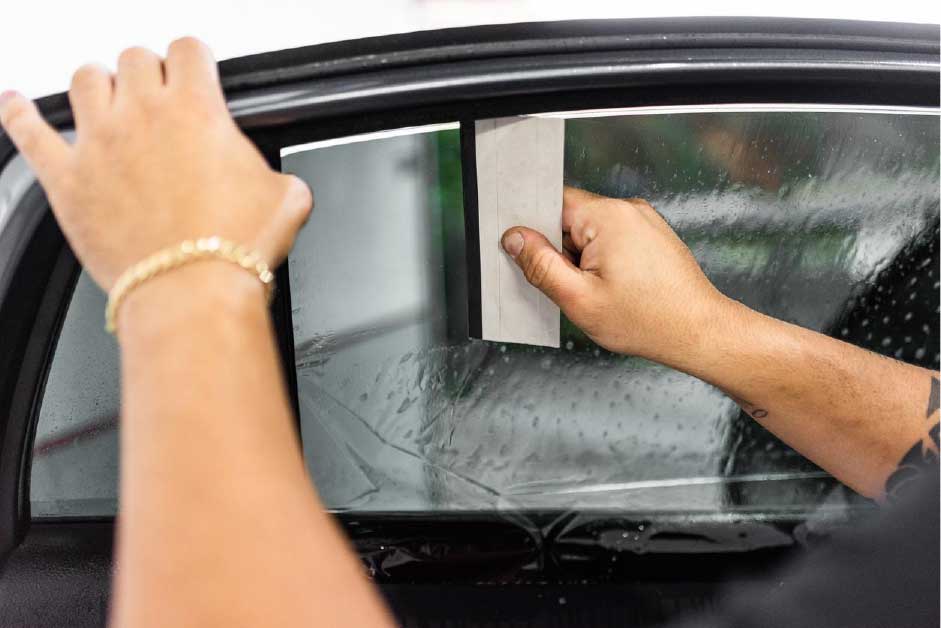
Enhance Comfort and Privacy with Professional Window Tinting Services
Professional window tinting services in Calgary offer a smart solution to enhance comfort, privacy, and energy efficiency for homes and vehicles. By reducing glare, blocking harmful UV rays, and improving security, window tinting transforms your car into a more functional and enjoyable environment. Whether you’re looking to upgrade your vehicle, expertly applied tints provide long-lasting benefits that cater to Canadian lifestyles.
Table of Contents
- Understanding the Benefits of Car Window Tinting
- Choosing the Right Type of Car Window Tint
- Tips for Selecting a Reliable Window Tinting Service
Imagine driving through Calgary on a sunny afternoon, squinting against the harsh glare of the sun or feeling the oppressive heat radiating through your car windows. These common challenges highlight why many drivers are turning to professional car window tinting services as a solution.
Beyond aesthetics, car window tinting offers practical benefits that cater to Canadian lifestyles. From reducing interior temperatures to safeguarding your vehicle’s upholstery, tinted windows deliver both style and functionality. For those seeking ways to improve their driving experience, exploring window tinting in Calgary could be the perfect upgrade. Let’s dive into the key advantages of car window tinting and how to choose the right service for your needs.
Understanding the Benefits of Car Window Tinting
Car window tinting isn’t just about giving your vehicle a sleek, stylish look — it’s a practical upgrade that enhances comfort, security, and protection. Here’s how tinted windows can transform your driving experience:
Improved Comfort and Temperature Control
Driving in Calgary’s fluctuating climate can be challenging, especially during summer heatwaves or sunny winter days. Tinted windows help regulate your car’s interior temperature, making every ride more comfortable.
- Heat Reduction: Tints reflect sunlight, reducing the amount of heat entering your car. This minimizes reliance on air conditioning, saving fuel and improving energy efficiency.
- Consistent Comfort: By maintaining a cooler interior, tinted windows prevent discomfort caused by scorching seats or steering wheels.
- Year-Round Benefits: Even during colder months, certain tints help retain warmth inside your vehicle, reducing the need for excessive heating.
Enhanced Privacy and Security
Privacy and security are top priorities for many drivers, and car window tinting addresses both seamlessly.
- Obscured Visibility: Darker tints make it difficult for outsiders to see into your vehicle, protecting your belongings from prying eyes.
- Added Protection: High-quality tints strengthen glass, making it more resistant to break-ins or accidental damage. This added layer of durability is especially valuable when parking in busy or unfamiliar areas.
- Discreet Elegance: Unlike bulky covers or curtains, tinted windows provide privacy while maintaining a polished, modern appearance.
Protection Against Harmful UV Rays
Prolonged exposure to ultraviolet (UV) rays can damage both your skin and your vehicle’s interior. Professional car window tinting acts as a shield against these harmful rays.
- UV Blocking: Most high-quality tints block up to 99% of UV radiation, reducing the risk of skin damage during long drives.
- Preserve Interiors: UV rays are notorious for causing fading in car upholstery, dashboards, and accessories. Tinted windows help preserve the vibrancy of your vehicle’s interior, extending its lifespan.
- Healthier Rides: By minimizing UV exposure inside your car, you create a safer environment for you and your passengers, particularly during peak sunlight hours.
Choosing the Right Type of Car Window Tint
Selecting the right car window tint depends on your priorities — whether you’re aiming for maximum heat rejection, privacy, or compliance with local regulations. Understanding the differences between materials and legal requirements can help you make an informed decision.
Comparing Popular Tinting Materials
The material you choose directly impacts the performance, appearance, and longevity of your car window tint. Here’s a breakdown of the most common options:
| Material | Best For | Pros | Cons |
| Dyed Film | Budget-conscious drivers seeking basic privacy | Affordable, non-reflective finish | Less effective at heat rejection |
| Metalized Film | Drivers prioritizing heat reduction | Reflects sunlight effectively, durable | May interfere with electronic signals |
| Ceramic Film | High-end applications requiring premium performance | Superior UV protection, no signal interference | Higher upfront cost |
| Hybrid Film | Balancing affordability with moderate performance | Combines dyed and metalized layers for versatility | May not offer long-term durability |
Legal Considerations for Automotive Tinting
In Calgary, car window tinting is subject to provincial regulations that dictate how dark tints can be. These rules are based on Visible Light Transmission (VLT) percentages, which measure how much light passes through the tinted glass.
- Front Side Windows: Typically require a minimum VLT of 70%, meaning they must allow at least 70% of light to pass through.
- Rear Side Windows and Rear Windshield: Often allow for darker tints, with VLT percentages as low as 35%.
- Windshield: Only the top portion (above the AS-1 line) can be tinted to reduce glare without obstructing visibility.
Tips for Selecting a Reliable Window Tinting Service
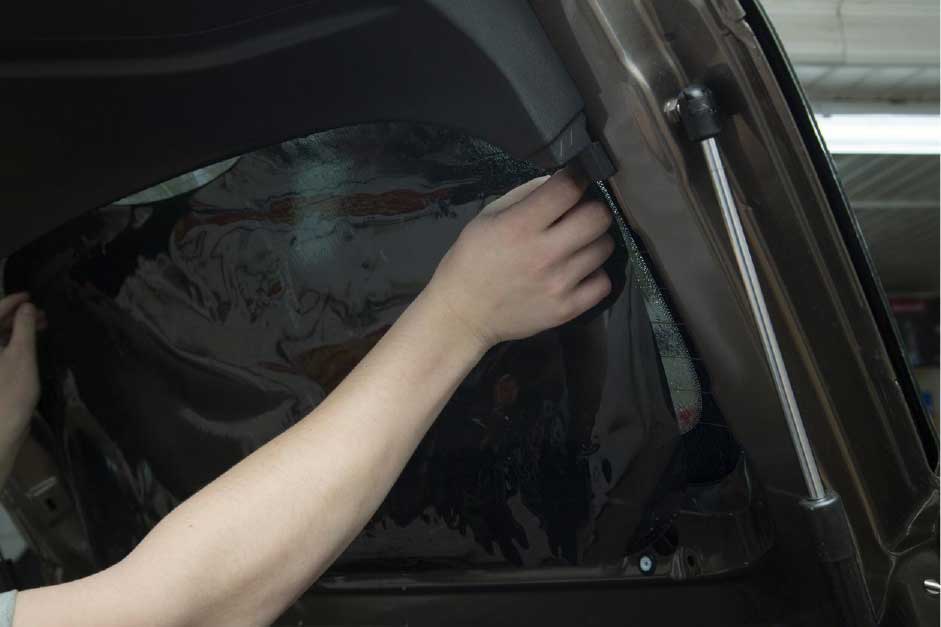
Choosing the right window tinting provider is just as important as selecting the right tint material. A professional installation secures optimal performance and longevity of your tints. Here are some expert tips to help you find a trustworthy service:
Research Customer Reviews and Testimonials
Start by exploring online reviews on platforms like Google, Yelp, or social media. Look for consistent feedback about quality workmanship, customer service, and punctuality. Positive testimonials from previous clients can be a strong indicator of reliability.
Ask About Warranties
Reputable providers often offer warranties that cover both the product and installation. Inquire about the terms — how long the warranty lasts, what it covers, and whether there are any exclusions. A solid warranty reflects confidence in their work.
Verify Certifications and Experience
Secure the company has certifications from recognized industry bodies, such as the International Window Film Association (IWFA). Additionally, check how long they’ve been in business. Experienced professionals are more likely to handle complex projects with precision.
Request Samples and Portfolio
Before committing, ask to see samples of their work or a portfolio showcasing past projects. This allows you to assess the quality of their installations and compare finishes to determine what best suits your preferences.
Get Multiple Quotes
Don’t settle for the first quote you receive. Reach out to at least three providers to compare pricing, services, and timelines. Be cautious of unusually low prices, as they may indicate subpar materials or workmanship.
Inquire About Legal Compliance
In Calgary, automotive window tinting is subject to provincial regulations regarding visible light transmission (VLT) percentages. Secure the provider is well-versed in these laws to avoid potential fines or rejections during vehicle inspections.
Final Thoughts: Elevate Your Driving Experience
Car window tinting is more than just a cosmetic upgrade — it’s a practical investment in comfort, privacy, and protection for your vehicle. Whether you’re looking to reduce glare during long drives, safeguard your car’s interior from UV damage, or enhance security, professional tinting services offer solutions tailored to your needs.