
From Trout to Thoroughbreds: A Sportsman’s Guide to Horse Trading
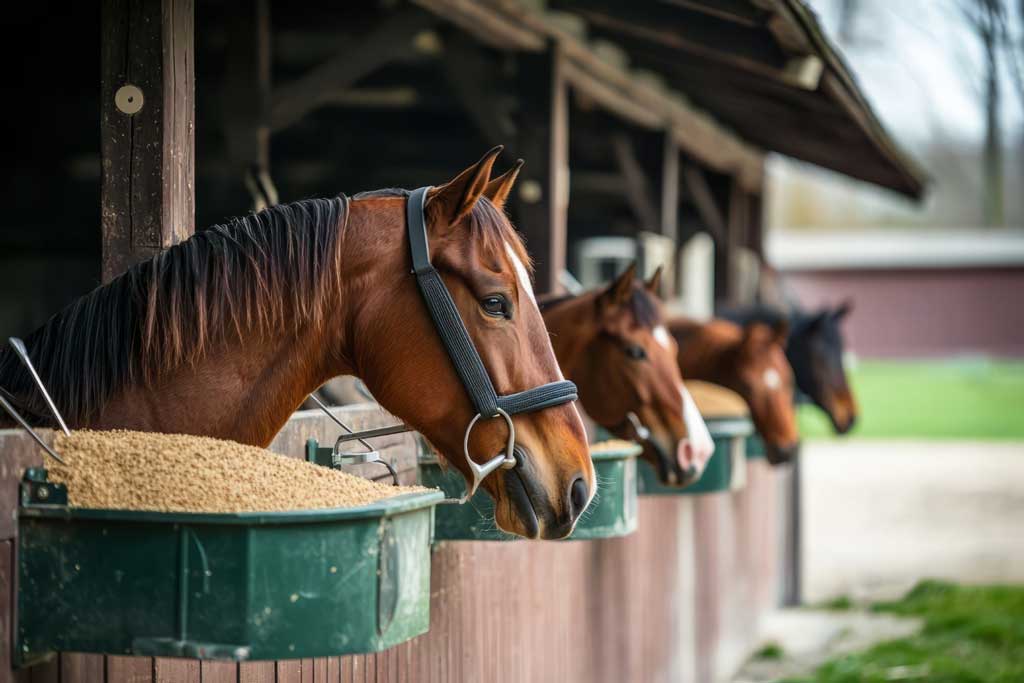
For many sports fans, the thrill of the chase doesn’t end with landing a trophy trout or outmaneuvering a rival on the field—it finds its natural extension in the fast-paced world of horse trading. Much like hunting or fishing, the horse-trading business demands sharp instincts, patience, and a knack for reading people, making it a perfect pastime for those who love strategy and competition. Whether you’re drawn to thoroughbred horses for their elegance or rugged black horses for their strength, the art of the deal offers a unique rush that complements any outdoor enthusiast’s passion.
Beginners might wonder why they should step into this age-old tradition, but the answer lies in its rich history and the sheer excitement of the trade. Plus, with the right approach, even a novice can turn an extra horse into a profitable trade or a trusted companion—making it as rewarding as reeling in the big one or hitting a game-winning shot. Read this quick guide to learn the essentials of horse-trading.
The Origin of Horse Trade and Its Cultural Meaning
The horse-trading business dates back centuries, with roots in the British horse trade of the 16th century and the Appalachian horse trader traditions of the nineteenth century. Unlike the romantic poems written about noble steeds, real-life thoroughbred horses dealing was a cutthroat affair marked by the notorious shrewdness of horse dealers.
At its core, horse trading was never just about the animals—it was a competitive horse-swapping ritual, where bargaining parties relied on complex bargaining, exaggeration in horse trading, and even deception to strike a deal. The code of horse trading demanded that both buyer and seller maintain a business-like equal exchange, though the reality often involved frenzied horse trading and last-minute reversals.
Horse Trading Lingo: A Glossary of Colorful Trader Slang
The fraternity of horse swappers developed its vibrant vocabulary to grease the wheels of deals and signal insider knowledge. Terms like ‘bleeder’ (a horse prone to hemorrhaging) or ‘cribber’ (one that chews wood) served as coded warnings, while phrases like ‘sound as a dollar’ implied perfect health—though savvy traders knew dollars could lose value, too. A ‘sweetener’ referred to an extra horse thrown into a deal to close it, proving that the horse-trading business has always mixed poetry with pragmatism.
Some phrases crossed into mainstream culture, like ‘horse of a different color’ for unexpected changes or ‘don’t look a gift horse in the mouth,’ warning against scrutinizing freebies. A ‘stiff-legged horse‘ meant trouble, while ‘he’s got his saddle on’ signaled a ready buyer. This rich slang reveals how ‘competitive horse trading’ blended practicality with theater, where every word could mean dollars gained or lost in the ‘frenzied horse-trading’ arena.
Spotting a Diamond in the Rough: Evaluating Horses Like a Pro
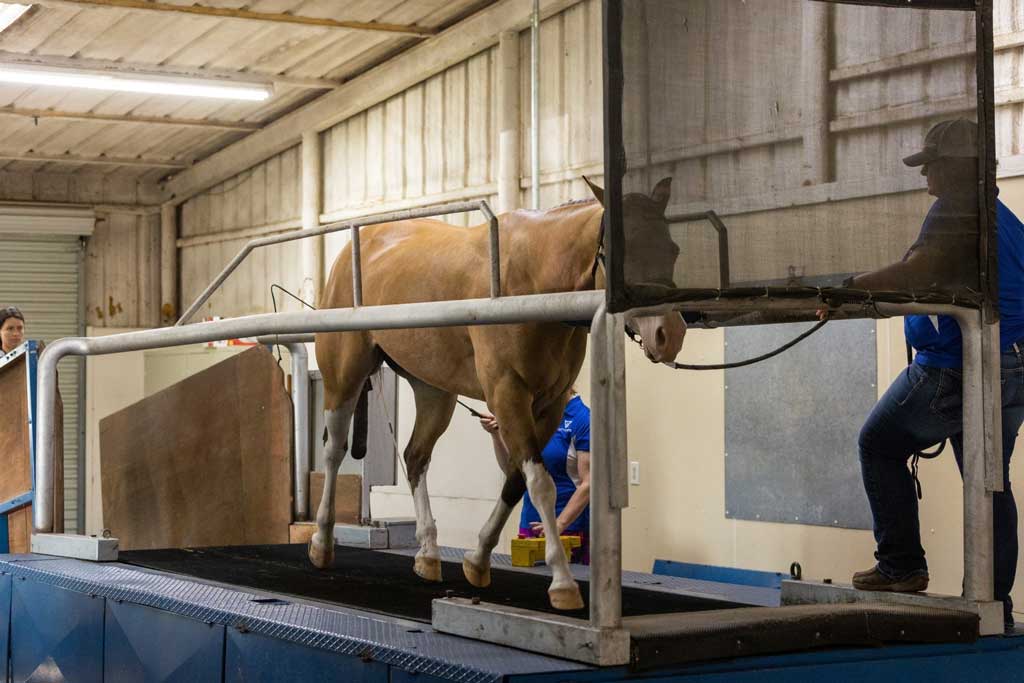
A skilled horse trader knows that the real art lies in seeing potential where others see problems. Start by observing the horse’s movement—a smooth gait suggests soundness, while stiffness or uneven steps may hint at hidden lameness. Check the eyes for alertness and the coat for shine; dullness or patches could signal poor health or neglect, turning an attractive horse into a risky investment.
Next, test temperament by watching how the horse reacts to sudden noises or unfamiliar handlers—a behaved horse stays calm, while excessive nervousness may mean training challenges. Don’t overlook age and dental health; worn teeth can reveal an older horse disguised as youthful in horse advertisements. Finally, trust your gut; even a blind horse (metaphorically speaking) can sense when a deal feels off, so walk away if the story doesn’t add up.
The Art of the Deal: What Modern Traders Can Learn
The activities of horse traders in the mid-nineteenth century and twentieth century reveal key lessons for today’s negotiators:
-
- Shrewdness of horse traders: Successful horse traders knew how to read characters in horse deals—spotting a blind horse or an ill-behaved horse before the other party could conceal its flaws.
- Feminine meanings in trading: Female horses often carry different values, and feminine horse traits influence pricing in horse advertisements.
- Fair exchange vs. trickery: While some horse swappers upheld honesty, others thrived on complicated bargaining, turning extra horses into profit through sheer persuasion.
Even in modern times, the culture of horse trading lives on—whether in competitive horse trading events or the daily email exchanges between enthusiasts. The fraternity of horse swappers still values the same element in horse trading: the thrill of the deal.
Conclusion
For those entering the horse-trading game, remember: whether you’re trading attractive horses or negotiating with a secret admirer of your stallion, the continuation of horse bartering traditions depends on fair exchange—and just a little of that old Appalachian horse trader cunning.
So next time you find yourself in a couple of horse swappers’ debates, channel the shrewdness of horse traders past. After all, in the world of horse trades, every deal is a gamble—and only the sharpest players come out ahead.