
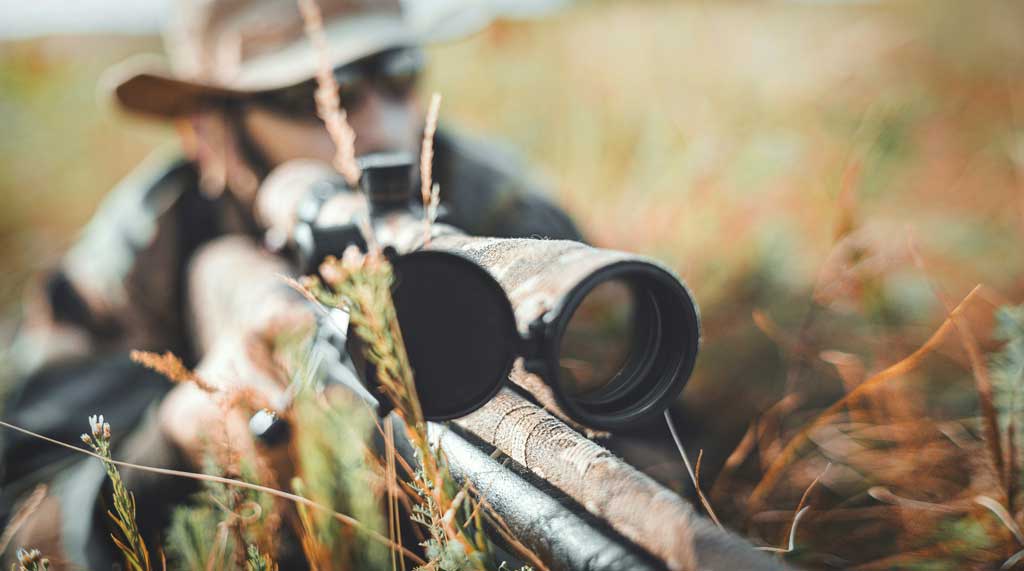
Understanding hunting gun ownership laws requires careful navigation similar to moving through a dangerous minefield. A single mistake can lead to severe legal repercussions.
The truth is…
Each state maintains its own set of gun laws which creates dramatic differences across state lines while federal regulations provide additional layers of complexity to track. But don’t worry – I’ve got you covered.
Both experienced hunters and beginners must understand these laws because they are fundamental to responsible gun ownership.
What You’ll Discover:
- Understanding Federal Hunting Gun Laws
- State-Specific Hunting Regulations
- Required Licenses and Permits
- Safe Storage and Transportation Rules
- Legal Consequences of Non-Compliance
Understanding Federal Hunting Gun Laws
Gun ownership in all the states of the United States operates according to the standards set by federal laws. These rules remain applicable regardless of your state of residence.
The primary federal agency that regulates firearms across the United States is the Bureau of Alcohol, Tobacco, Firearms and Explosives (ATF). Here’s what you need to know:
- All firearm purchases from licensed dealers must undergo a background check through the National Instant Criminal Background Check System (NICS).
- The federal law restricts firearm possession for convicted felons as well as individuals convicted of domestic violence offenses along with those who have been legally declared mentally ill.
- To buy a long gun from another state you need to complete the purchase through a licensed dealer located in your home state.
The United States leads the world in gun ownership rates as of 2025 with an average of 120.5 firearms for each 100 people. Because gun ownership rates are so high in the United States people must understand these federal firearm laws.
If you ever find yourself in legal trouble related to firearms, you might need to find a good lawyer for gun charges in Colorado or your particular state who specializes in firearms law.
State-Specific Hunting Regulations
Here’s where things get complicated…
State regulations for hunting firearms show significant differences and they frequently undergo changes. Laws about firearms often change across state borders leading to legal activities in one state becoming illegal just over the border.
Colorado has a gun ownership rate of approximately 45.1 firearms for every 100 people which falls slightly below the national average. Hunters in Colorado must comply with specific state regulations that include:
- Season-specific hunting regulations
- Magazine capacity restrictions
- Open and concealed carry rules
- Age requirements for possession
Before hunting in any state:
- Check current regulations: Visit the state’s wildlife agency website
- Verify licensing requirements: Ensure you have all necessary permits
- Understand transportation laws: Know how to legally transport your firearms
- Review private land rules: The rules governing hunting activities can vary between public and private lands.
State hunting law violators face serious penalties which encompass monetary fines and loss of hunting privileges while severe offenses may lead to incarceration.
Required Licenses and Permits
To hunt legally you must possess the proper documentation in addition to owning a firearm. Here’s what you typically need:
Hunting Licenses
Most states require:
- The fundamental permit needed to hunt within state boundaries is known as the basic hunting license.
- Extra permits needed for hunting specific animal species.
- Your hunter education certificate demonstrates that you finished the necessary safety courses.
Firearms Permits
The requirements for firearm permits vary based on your location and firearm type.
- You require a concealed carry permit when hunting with concealed firearms.
- You will need special weapons permits to use specific regulated firearms or accessories.
- You need federal tax stamps to purchase NFA items including short-barreled shotguns or suppressors.
The permit application process requires you to fill out necessary forms and pay fees while undergoing background checks and occasionally proving your skills.
A survey from January 2025 found that 40.1% of U.S. respondents reported enjoying hunting activity which shows a small increase in interest. As more people show interest in hunting activities permit offices will face longer wait times during their busiest seasons.
Safe Storage and Transportation Rules
Transporting your hunting guns properly isn’t optional since the law commonly demands it as the correct procedure.
Storage Requirements
A number of states enforce laws that specify firearm storage methods especially when children live in the household. Common requirements include:
- Storing unloaded firearms
- Using trigger locks or cable locks
- Keeping firearms in locked containers or safes
- Storing ammunition separately from firearms
Transportation Regulations
Your hunting firearms will need proper preparation when transported during travel.
- Transport firearms unloaded
- Firearms and ammunition should be stored separately inside locked containers
- Firearms should be kept in secure areas where access is restricted for drivers and passengers.
- Follow additional restrictions when crossing state lines
The TSA mandates that travelers declare firearms at check-in and place them into locked hard-sided containers during air travel.
Serious penalties can occur when storage and transportation laws are broken especially if it leads to an accident.
Legal Consequences of Non-Compliance
Violating hunting firearm regulations can lead to consequences that extend much beyond receiving a monetary penalty.
Potential Penalties
The specific violation and governing jurisdiction will determine the possible penalties you face.
- Substantial fines (often thousands of dollars)
- Misdemeanor or felony charges
- Imprisonment
- Permanent loss of gun ownership rights
- Revocation of hunting licenses and privileges
The U.S. has experienced a decrease in gun sales beginning in 2020. The first quarter of 2025 saw approximately 5.2 million guns sold as part of the ongoing downward trend in gun sales. While gun sales continue to decrease, evolving firearm regulations require individuals to remain informed.
The percentage of gun ownership among White Americans stands at 38% whereas it reaches only 24% in Black Americans, 20% in Hispanic Americans and 10% in Asian Americans. The varied demographic landscape emphasizes the need to make sure hunting gun laws reach and are comprehended by every community.
How to Stay Compliant
These recommendations will help you adhere to all relevant hunting gun laws.
- Join a hunting organization: The National Rifle Association (NRA) and local hunting clubs frequently share information about legal changes.
- Attend regular hunter education courses: Refresher courses offer hunters updated information on fresh regulations despite having finished mandatory education.
- Create a compliance checklist: At the start of every hunting period it’s essential to examine federal, state, and local laws that apply.
- Establish relationships with licensed dealers: Licensed dealers are valuable resources for information about legal requirements when buying new firearms.
- Consider a legal consultation: Seeking guidance from a firearms law expert attorney will help you find certainty when you encounter unclear regulations.
Tying It All Together
New hunters might initially feel overwhelmed by gun ownership regulations but learning to break the requirements into smaller steps makes the process much simpler to manage.
These regulations exist to maintain hunting as a secure practice that can continue through future generations.
When you learn about federal standards, investigate state laws, acquire necessary paperwork and practice secure storage and transport methods you become an active member of responsible gun ownership culture while adhering to legal requirements.
The emotional security you gain from full compliance makes the work required to understand and adhere to these regulations a valuable investment.
Whenever you encounter a firearms-related legal issue make sure to get professional legal support. Having appropriate guidance ensures you can protect your legal rights and privileges as both a hunter and gun owner.
Frequently Asked Questions
What’s the first step in ensuring I comply with hunting gun laws?
First learn about federal regulations before conducting research on your state’s specific laws. State laws can impose significant additional requirements beyond the foundational standards set by federal law.
How often do hunting gun laws change?
Authorities review hunting regulations every year and usually apply changes when new hunting seasons begin. Firearms legislation undergoes fewer changes overall but experiences substantial modifications following new major legislative enactments.
Can I use the same hunting license in multiple states?
No, hunting licenses are state-specific. Each state where you plan to hunt requires you to have a distinct license.