
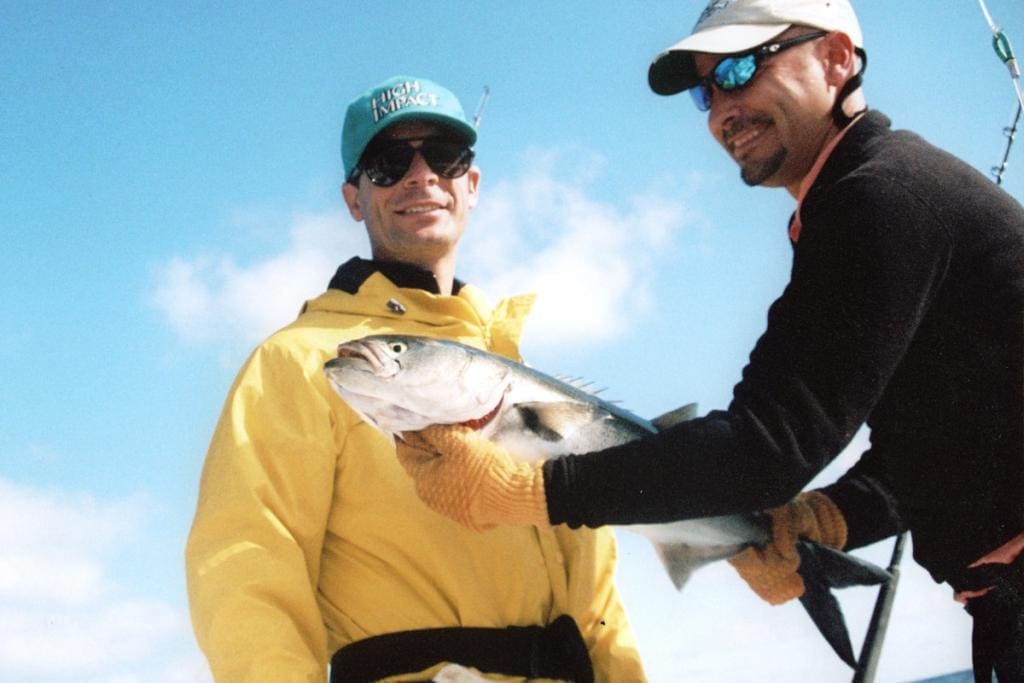
When anglers talk about fishing the Texas coast, certain species dominate the conversation: speckled trout, redfish, flounder, and maybe even tarpon. But every so often, a different kind of predator shows up in Texas waters — one with razor-sharp teeth, a bad attitude, and a reputation for ferocious strikes: the bluefish.
While bluefish are far more common along the Atlantic coast and Eastern Gulf, they do occasionally wander into Texas coastal waters, especially during certain times of year and under the right conditions. Targeting them requires some luck, but when you find them, bluefish offer some of the most exciting light tackle action available on the Gulf.
Why Are Bluefish Rare in Texas?
Bluefish (Pomatomus saltatrix) are highly migratory and prefer cooler, open ocean waters. The Texas coast sits at the western edge of their occasional Gulf range. When conditions align — typically during spring or fall, or after strong easterly currents — schools of bluefish may push westward along the northern Gulf and into Texas waters.
Anglers are more likely to encounter them on the Lower Coast: South Padre Island, Boca Chica, Port Mansfield, and the offshore rigs off Corpus Christi. Inshore encounters, while rare, sometimes occur around jetties and beachfronts during the spring mullet run.
When to Look for Them
-
Spring-Early Summer: As water temps warm and bait moves toward the beaches.
-
Fall (September–November): During bait migrations when bluefish chase schools of mullet or anchovies along the surf.
-
After storms or strong easterly winds: Occasionally push pelagic species into Texas waters.
Where to Target Bluefish in Texas
-
Jetties: South Padre Island and Port Aransas jetties sometimes produce bluefish mixed in with Spanish mackerel and jack crevalle.
-
Beachfront: When large schools of bait are pushed near shore, bluefish may blitz the surf zone.
-
Nearshore rigs: Occasionally found near structure in state waters 5–15 miles offshore.
-
Channels & Passes: Where bait is being funneled through tidal movement.
Tackle and Techniques
Bluefish are aggressive predators that hit hard and fight dirty. Gear up accordingly.
Rod & Reel:
-
7′ medium-heavy spinning or baitcasting rod.
-
3000-4000 size spinning reel with 20-30 lb braid.
-
30-50 lb monofilament or fluorocarbon shock leader, or wire leader if fish are large.
Lures:
-
Topwater plugs (especially walk-the-dog style).
-
Spoons (Kastmasters, Hopkins, or heavy slabs).
-
Soft plastic swimbaits (rigged on heavy jigheads).
-
Bucktail jigs.
Natural Baits:
-
Live or cut mullet, sardines, or menhaden.
-
Rigged on stout hooks with wire leader.
Bluefish aren’t picky, but they love fast, erratic retrieves. Work your lures aggressively to mimic fleeing bait. Topwater strikes can be explosive.
Bluefish have powerful jaws lined with sharp, triangular teeth — not unlike a piranha on steroids. Handle them with long-nose pliers or a BogaGrip, and never put your fingers near their mouth. Even smaller bluefish can deliver a nasty bite.
Bluefish have a strong, oily flesh that’s best eaten fresh or smoked. Bleed them immediately after catching and get them on ice. They don’t hold up well to freezing. Many anglers prefer to release them due to the strong flavor, but fresh fillets cooked on the grill or in a smoker can be excellent when prepared properly.
For most Texas anglers, catching a bluefish feels like stumbling into a surprise guest at a dinner party. They’re not a common target, but when you run into a school — whether surf fishing the beach, casting the jetties, or working bait balls offshore — you’ll never forget the ferocity of the strike or the fight that follows.
While Texas is far better known for its drum, trout, and reds, keeping an eye out for these rogue visitors can add an unexpected thrill to your next coastal trip.