
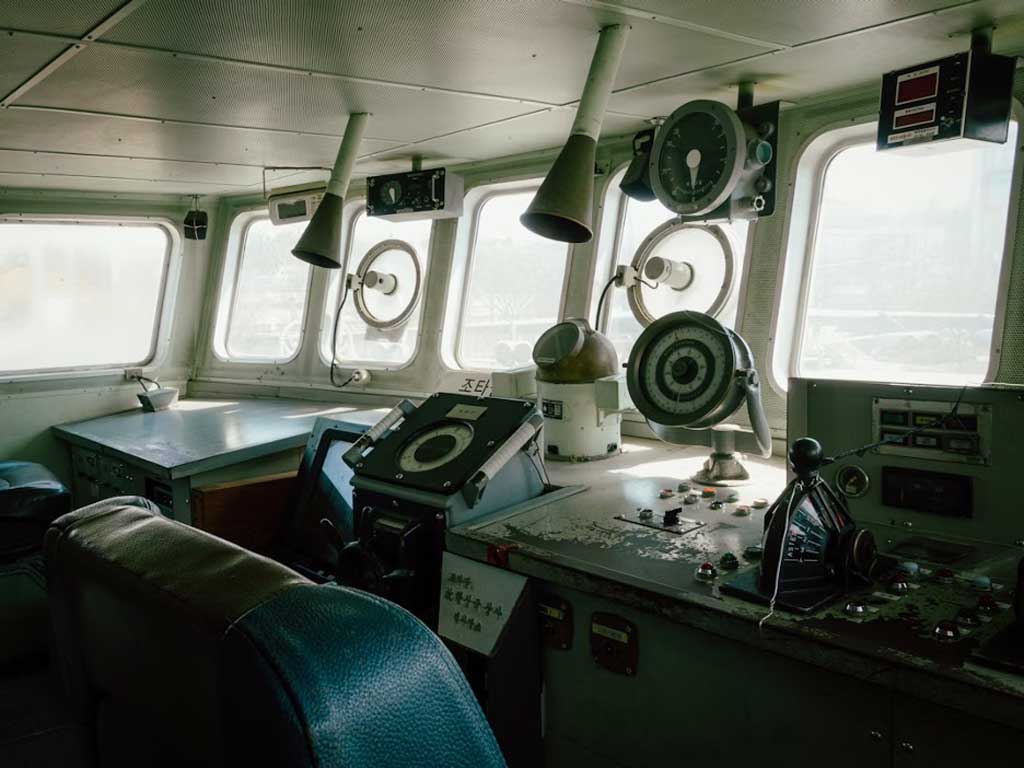
Enhancing Boating Safety: The Role of Sonar Technology
Want to avoid becoming another boating accident statistic?
Every year, boating accidents are on the rise. The Coast Guard just released data showing 556 boating fatalities in 2024 alone.
Here’s the scary part:
Most of these accidents happen because boat operators can’t see underwater hazards until it’s too late.
Here’s the solution:
Modern sonar technology gives boat operators the ability to see what’s underneath and around their vessels in real-time.
Without proper sonar systems, boat operators are essentially driving blind underwater.
This article will show exactly how sonar technology prevents boating accidents and why every boat owner should consider investing in these life-saving systems.
What you’ll discover:
- Why Sonar Technology Matters for Boat Safety
- How Different Sonar Systems Work
- Choosing the Perfect Sonar System for Your Boat
- Getting Started with Sonar Technology
Why Sonar Technology Matters for Boat Safety
Here’s something that might surprise you…
Collision with fixed objects accounts for 31% of all boating incidents. That means nearly one in three boating accidents happens because captains hit something underwater.
Here’s the problem:
Traditional navigation relies on charts that can be decades old. Much of the depth information on nautical charts comes from surveys conducted before 1940. Some areas still use data from Captain Cook’s voyages in the 1700s!
And here’s what makes it worse…
Sandbars shift constantly. New debris gets deposited after storms. Underwater conditions change every season.
So while the chartplotter shows deep water, there might actually be a shallow reef waiting to damage the boat.
But with modern sonar systems, boat operators can:
- See underwater obstacles in real-time
- Detect shallow areas before hitting them
- Navigate safely in unfamiliar waters
- Avoid costly groundings and hull damage
Pretty cool, right?
How Different Sonar Systems Work
Sonar technology has evolved massively from its military origins.
Here’s how it works:
Modern sonar systems emit sound waves underwater. These waves bounce back when they hit objects. The system then processes these reflected signals to create detailed images of what’s below and around the boat.
Think of it like underwater radar.
The technology uses sound navigation and ranging (sonar) to detect everything from shallow water and underwater obstacles to schools of fish and submerged debris. Advanced systems like AquaEye’s sonar tech can even differentiate between different types of underwater objects.
This makes boating safer than ever before.
There are two main types of sonar:
- Active sonar: Emits sound pulses and listens for echoes
- Passive sonar: Only listens for sounds from other objects
For recreational boating, active sonar is the game-changer that prevents accidents.
Types of Sonar Systems for Boat Safety
Not all sonar systems are created equal. Here’s what boat owners need to know about the different types available:
Echo Sounders
These are the most basic sonar systems. They measure depth directly below the boat.
Essential for basic navigation but don’t provide the full picture.
Best for: Basic depth readings and fish finding
Limitations: Only shows what’s directly underneath
Side-Scan Sonar
Side-scan sonar provides wide, detailed images of the seafloor and underwater structures on both sides of the boat.
It’s like having underwater headlights.
Best for: Detailed underwater mapping and obstacle detection
Range: Can scan hundreds of feet on either side
Forward-Looking Sonar
This is the ultimate safety technology.
Forward-looking sonar shows what’s ahead of the boat in real-time. This gives operators time to react to hazards before hitting them.
Best for: Collision avoidance and safe navigation
Range: Up to half a nautical mile ahead
Multi-Beam Sonar
Multi-beam systems combine multiple sonar technologies. They give operators a complete 3D picture of the underwater environment.
Best for: Professional-grade navigation and comprehensive safety
Features: Real-time 3D imaging and automatic hazard detection
How Sonar Prevents the Most Common Boating Accidents
Let’s break down exactly how sonar technology addresses the most dangerous boating scenarios.
Collision Avoidance
Forward-looking sonar systems can detect underwater obstacles up to 1,500 meters ahead.
This gives boat operators plenty of time to change course and avoid dangerous collisions.
Traditional navigation: Operators only know water depth directly under the boat
Modern sonar: Operators can see what’s coming up ahead
Grounding Prevention
Running aground is one of the most common and expensive boating accidents.
Modern sonar systems create 3D maps of the seafloor. These show exactly where it’s safe to navigate.
These systems update in real-time, so operators aren’t relying on outdated chart information.
Emergency Situations
In low-visibility conditions like fog or heavy rain, sonar becomes the boat operator’s eyes underwater.
Safe navigation can be maintained even when visibility above water is severely limited.
Choosing the Perfect Sonar System
Selecting the right sonar system depends on specific boating needs. Here’s how to make the right choice:
Consider Boating Style
Recreational fishing: Fish finders with basic depth capabilities
Coastal cruising: Side-scan sonar for detailed bottom mapping
Open water navigation: Forward-looking sonar for collision avoidance
Professional use: Multi-beam systems for comprehensive coverage
Budget Considerations
Sonar systems range from a few hundred dollars for basic fish finders to tens of thousands for professional-grade forward-looking systems.
Entry-level: $200-$1,000 for basic echo sounders
Mid-range: $1,000-$5,000 for side-scan systems
Professional: $5,000+ for forward-looking sonar
Installation Requirements
Some sonar systems require professional installation, while others can be mounted by the boat owner.
DIY-friendly: Portable fish finders and basic echo sounders
Professional installation: Forward-looking sonar and multi-beam systems
The Future of Boating Safety Technology
Sonar technology continues to evolve rapidly.
New developments include:
- AI-powered object recognition: Systems that can automatically identify and classify underwater hazards
- Integration with navigation systems: Sonar data that feeds directly into chartplotters
- Wireless connectivity: Systems that can share data between boats in the area
- Improved resolution: Higher-definition underwater imaging
Making the Investment Decision
With over 685 boating accidents reported in Florida alone in 2024, investing in sonar technology isn’t just about convenience.
It’s about safety.
Consider these costs:
- Average boat repair after grounding: $5,000-$15,000
- Insurance deductibles: $1,000-$2,500
- Potential injury costs: Thousands more
A quality sonar system often pays for itself by preventing just one accident.
Getting Started with Sonar Technology
Ready to upgrade boat safety systems? Here’s how to get started:
Start with boating needs: Determine what type of boating happens most often
Research compatibility: Make sure the system works with existing electronics
Consider professional installation: Complex systems work best when properly installed
Learn the system: Take time to understand how to interpret sonar data
Final Thoughts
Modern sonar technology has transformed boating safety from reactive to proactive.
Instead of hoping not to hit something underwater, boat operators can now see exactly what’s around their vessel in real-time.
With boating accidents on the rise and 65% of fatal accident operators having no formal training, technology like sonar systems provides a crucial safety net.
The investment in quality sonar technology is small compared to the potential costs of accidents, injuries, and boat damage.
More importantly, it could save lives.
Whether operating a weekend fishing boat or a professional vessel, upgrading with modern sonar technology is one of the smartest safety investments possible.