
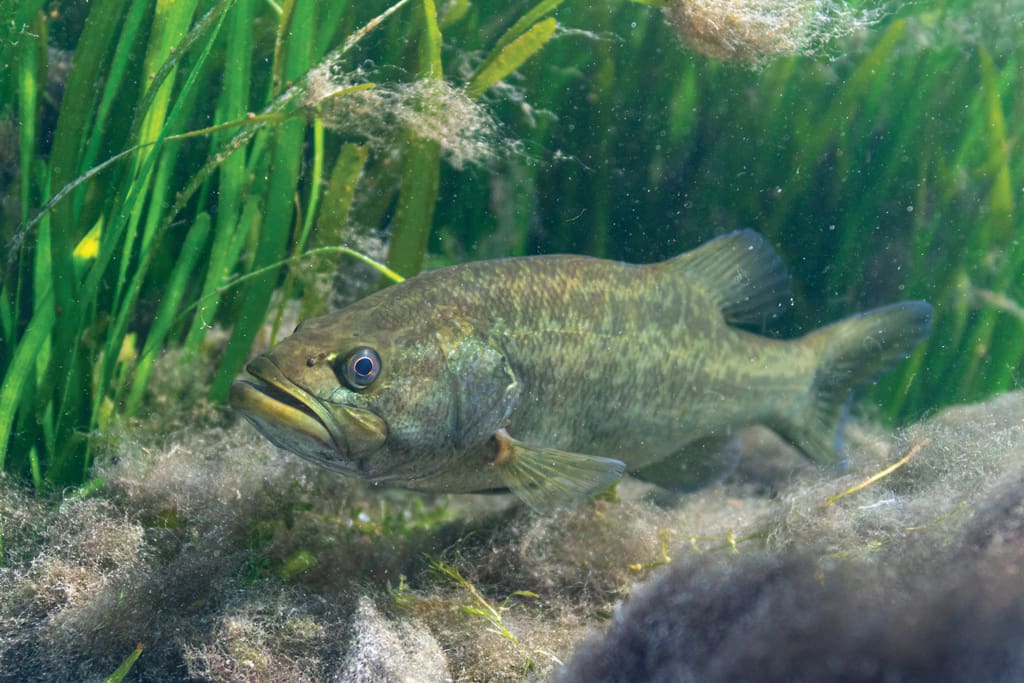
There’s something special about watching a bass explode on a lure in brackish water. It’s not the same as your average freshwater strike. These bass are tidal-hardened, salt-licked, and aggressive. If you want to get in on the action along the Texas coast—from Sabine Pass to the backwaters of Matagorda—you’ve got to approach it with intention, and a bit of briny know-how.
Let’s break it down, just like we would prepping for a hunt. This isn’t just another bass pond. This is the salty edge where largemouth bass meet redfish, where tides rise and fall, and shrimp are as much a part of the menu as crawfish or shad.
Start With the Shrimp
Early and late—that’s when you want to throw your shrimp imitations. The best anglers know to fish when the light is low and the air is heavy with humidity. Think dawn patrol and magic hour, especially in summer.
Tie on a soft plastic shrimp with a paddle tail, rigged weightless or on a light jighead, and skip it along the surface like it’s trying to escape a predator. That skipping action mimics a frantic shrimp trying to evade danger—just the kind of thing a hungry bass lurking in brackish shallows can’t resist.
Target areas with grass lines, oyster-studded shorelines, or even dock pilings in creeks that drain into bays. These are ambush points, and the bass here are tuned in to tidal bait movement.
Topwaters at Daylight
If you’re like me, there’s nothing quite like a topwater blow-up to get the blood pumping. Walk-the-dog style lures like a Super Spook Jr. or a Rebel Jumpin’ Minnow are deadly in tannin-stained brackish creeks. Use a steady twitch-pause-twitch retrieve, and listen for the telltale “slurp” or explosive hit. Color matters less than sound and action, but bone or chrome with a feathered treble tail never fails.
You’re not just hoping for bass either—don’t be surprised if a redfish or even a speckled trout joins the party.
As the Sun Rises…
When the sun climbs and the water surface goes quiet, it’s time to dig into the tackle box. Switch to soft plastics on a 1/8 or 1/4 oz jighead. A curly tail grub, fluke, or even a small swimbait in natural hues like pumpkinseed or white work well. Bounce it off the bottom near drains and drop-offs. That’s where fish retreat as the tide changes or the heat intensifies.
If the water’s stained, go with darker colors. And don’t be afraid to throw spinnerbaits either—especially ones with gold blades. They throw vibration, which helps bass key in when visibility’s low.
Final Thoughts
Brackish bass fishing on the Texas coast is about reading the water, respecting the tide, and adapting like a predator. Fish smart, fish early, and fish loud when it counts. With shrimp imitations skipping across the surface and topwaters walking like wounded baitfish, you’re speaking the language of coastal bass—and they’re always ready to respond.
This is a wild edge of angling that too few pursue. But for those who do, the rewards are explosive.