

Simple Fall Bass Tips
LISTEN: (4 min, 28 sec)
FALL BASS FISHING is a season of transition, challenge, and reward. As temperatures drop and the ecosystem shifts, bass behavior becomes less predictable, requiring anglers to adapt in real time. It’s not a one-size-fits-all approach. Success hinges on reading the water, observing subtle changes, and staying flexible with both your technique and presentation.
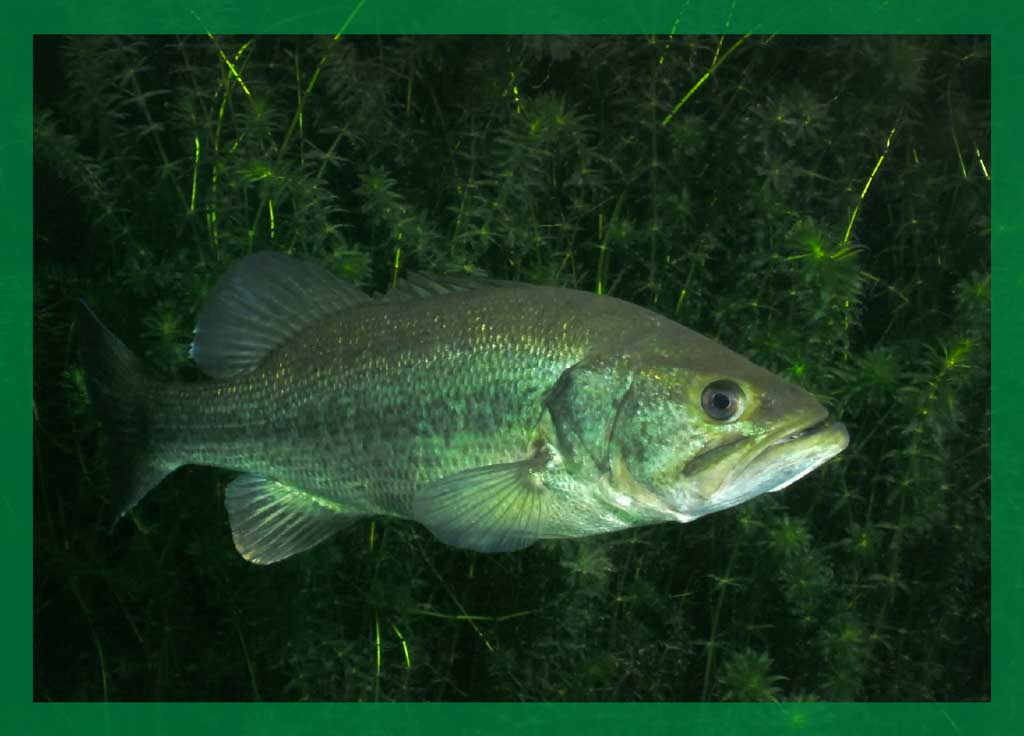 Fall bass fishing demands versatility and awareness of the rapid changes in habitat.
(Photo: MICHAEL WOOD)
Early fall often begins with the dreaded turnover. Lakes mix from top to bottom, scattering fish and reducing oxygen levels in various zones. During this time, shallow water becomes a refuge. Creek arms, pockets, and backwaters hold fish tight to structure like wood, docks, or riprap. A Texas-rigged soft plastic is effective for flipping into cover. A chatterbait comes into play when fish begin targeting baitfish. It’s a great tool for picking off suspended bass relating to shallow cover. For anglers targeting deeper water, a deep-diving crankbait helps cover ground and trigger reaction strikes when finesse presentations fall short.
As the lake stabilizes and water temps fall into the low 60s, bass shift into feeding mode. Shad become the main focus, and moving baits take priority. Jerkbaits shine in clear water, drawing fish from a distance along flats and creek channels. Topwater walking baits also excel, producing explosive strikes along rocky banks, grass edges, and docks. When aquatic vegetation is still healthy, hollow-body frogs and buzz toads can be fished over grass mats to mimic surface prey. In cooler weather, white or baitfish-colored patterns match the hatch and prompt aggressive hits.
When water temperatures dip into the 50s, the big fish show up. These bass are feeding hard ahead of winter and stage along creek channel swings and transitions. A slow-worked jig along these edges can be deadly. Square-bill crankbaits also remain effective, especially in off-color water, where their wobble and vibration draw strikes near wood, rock, or docks. Contrary to conventional wisdom, topwater still has a place. Buzzbaits with large blades and lighter frames can be retrieved slowly across the surface, even in water as cold as 48 degrees. These aren’t high-number days, but the quality of fish makes it worth the effort.
In Texas river systems like the Sabine, Colorado, or Trinity, complexity is the name of the game. One stretch might be choked with thick hydrilla while another is bare rock and hard bottom.
Some bass hold tight to submerged wood or bridge pilings, others suspend in current breaks or stack up along deeper ledges and bends. On a single trip, you might throw a glide bait or lipless crankbait across shallow flats, flip frogs into backwater grass, then shift to swimbaits or underspins along steep riverbanks. In swift current, small paddle tails, tailspins, and compact finesse rigs are essential tools for pulling both largemouth and spotted bass from eddies and seams.
Fall fishing demands versatility and awareness of the everchanging waters. It’s about recognizing when to slow down and when to cover water, when to stick with a pattern and when to switch it up. For those who embrace the season’s unpredictability, fall offers some of the most exciting and satisfying bass fishing of the year!
Additional Fall Bass Tips:
As daylight hours shorten, pay attention to the timing of your outings. Bass often feed more aggressively during low-light periods—early morning and late afternoon are prime windows. Look for schooling activity on windblown points or flats where baitfish are pushed shallow. Match the hatch with smaller profile baits when fish are keying in on young-of-year shad. If the bite slows, downsizing your presentation—like switching from a full-size jig to a finesse jig or Ned rig—can trigger strikes. Don’t overlook the power of scent in cooler water; adding attractant to soft plastics can make a difference. Lastly, keep an eye on birds. Diving gulls or herons along a shoreline can signal active bait and feeding bass nearby. Staying mobile and reading subtle clues is key—fall rewards anglers who think and fish dynamically.
Email Paul Fuzinski at ContactUs@fishgame.com
