
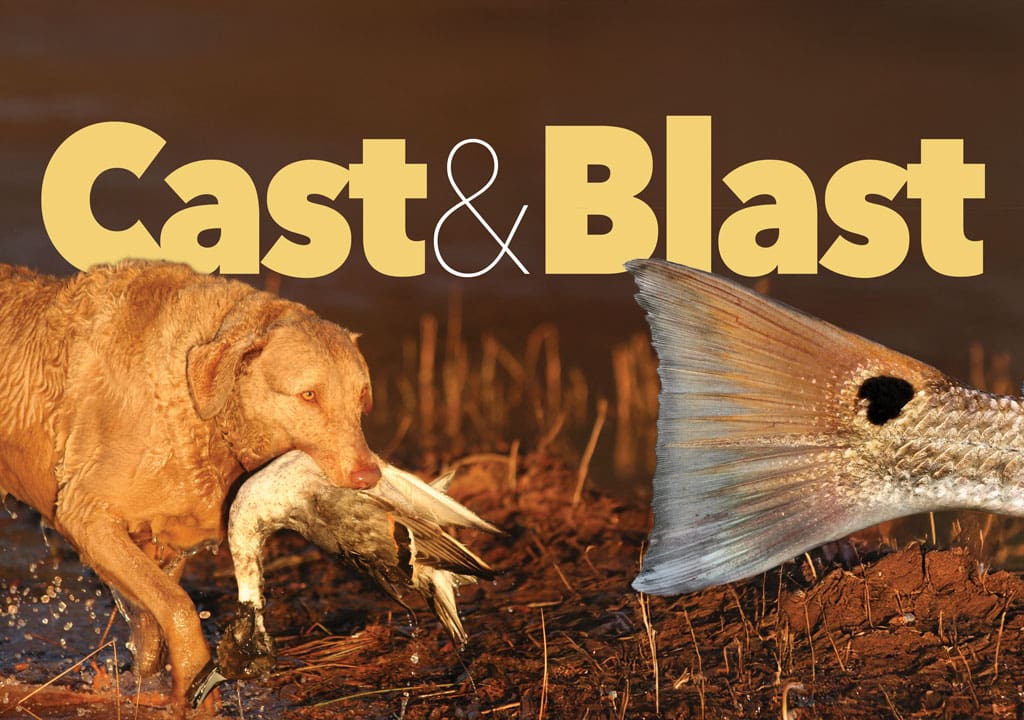
A Look at the Wealth of Fall Hook & Bullet Options Waiting for Lone Star Anglers and Hunters
LISTEN: (5 min, 26 sec)
THERE’S NO BETTER TIME to be a Texas outdoorsman than when summer starts slipping and the air gets that first nip of fall. That’s when the real season begins and not just for one thing, but for everything: birds in the air, fish in the water, deer in the brush. You can chase it all if you’ve got the time and the gas money.
September rolls in like a dust cloud behind a ranch truck. Early teal are the first shot across the bow. When the birds are in, they’re thick—blue wings screaming low across the ponds, cutting sharp over decoys at daylight. You can set up on a slough in East Texas or a flooded pasture down south and burn through a box of shells before the coffee cools.
Once that’s over, swap the waders for sneakers and grab a rod. Creeks are still warm, and bass hang tight in shady pockets—fish slow and near cover. A soft plastic fluke or small spinnerbait will get it done. It’s a good way to burn the rest of the morning while the smell of spent shells still hangs in the air.
 ADVERTISEMENT
If you’re farther south, white-winged doves are the game. Hondo, Uvalde, all that brush country starts popping around mid-month. You’ll see birds pouring in just before sunset, especially if you’re set up near a waterhole or a cut corn field. Once you hit your limit, pack it up and head for the coast. Redfish are tailing in the Laguna Madre, working the flats as the tide falls. You don’t need anything fancy—gold spoon, weedless paddle-tail, something you can cast a mile and keep moving. Fish it fast and cover ground. If you’re lucky, you’ll still be cleaning birds when you pull a slot red out of the ice chest.
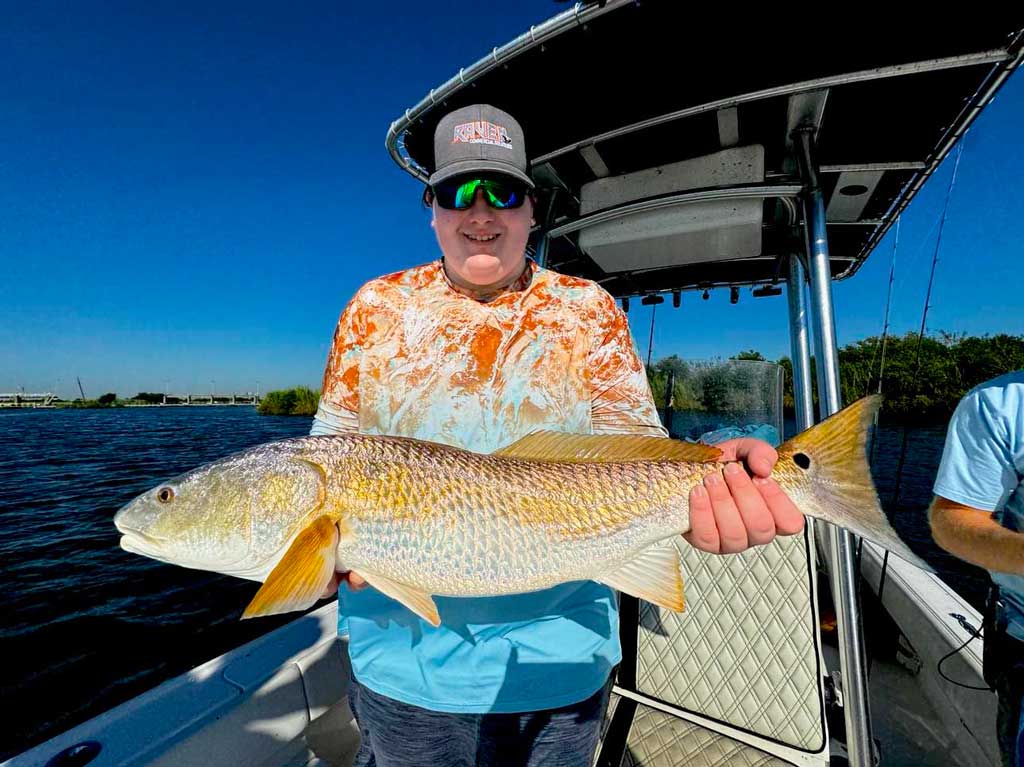 Angler Wyatt Pelt shows off a nice, healthy redfish.
(Photo: CHESTER MOORE)
October tightens up. Dove season’s still open in most places, but the birds are sharper. They’ve seen some things. You’ll work harder for limits, but it’s worth it. That same month, the flounder start to push out of the marsh. Find them stacked in the cuts and drains. Fish a falling tide with a heavy jig and a strip of Gulp or mullet if you’ve got it. They’re hungry, and they’ll thump it.
It’s also a great time to slip into the Hill Country and chase exotics. Axis deer don’t care much about the seasons—if they’re hot, they’re hot. Catch one moving through a cedar flat in the morning, then float the Llano or Guadalupe River for smallmouth and stocker trout. Cool water, light tackle, and nobody around. Not a bad way to spend a Saturday.
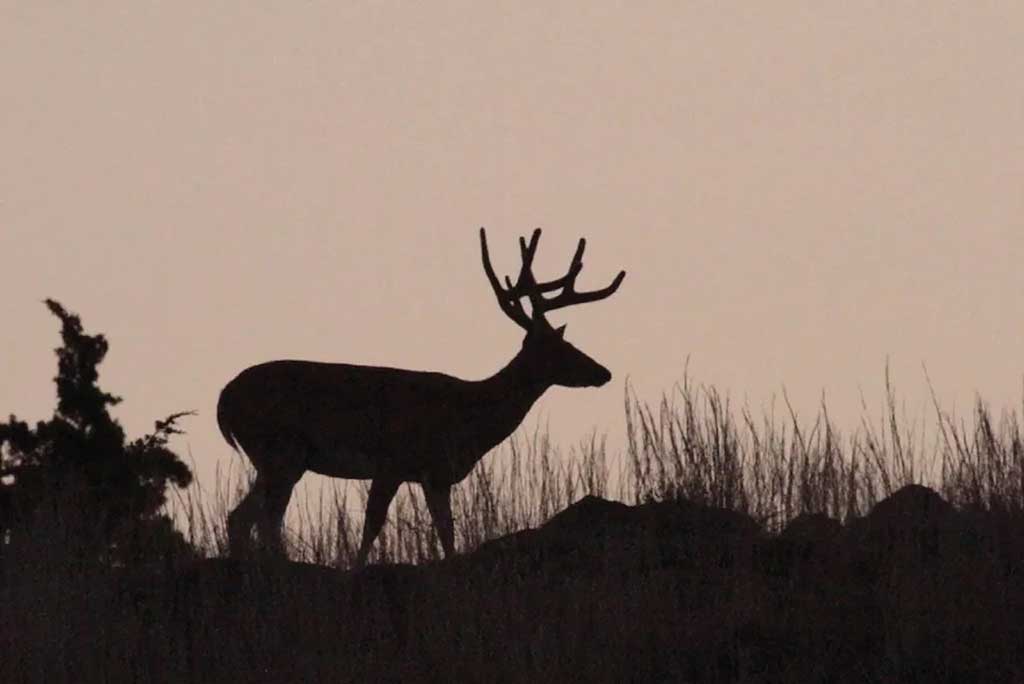
Texans have plenty of opportunities to deer hunt in the morning and fish in the evening.
(Photo: PUBLIC DOMAIN)
By November, the ducks start stacking in. Coastal marshes light up early. Pintail, gadwall, redheads. If you’re set up right and the wind’s with you, you’ll see a mixed bag. Hunt the first light, and as soon as the sun climbs, ease out and follow the birds – gulls, that is. They’ll lead you to feeding trout and reds chasing shrimp. It’s sight-fishing heaven when it’s on.
The whitetail rut is creeping in. Public land hunts get real serious. Shoot a buck in the morning, catch a stringer of crappie by lunch, and maybe you’re starting to see how this cast-and-blast life works.
Come December, the ducks are in full force. Inland potholes, flooded timber, rice fields or take your pick. Mallards and gadwall are cruising heavy, and those cold fronts will dump new birds every week. Meanwhile, bass fishing starts to pick back up, especially deep. Jigging ledges or pitching big worms into heavy cover will get you bit, even when the surface temp drops.
If you drew the Powderhorn WMA cast-and-blast permit, that’s about as good as it gets. Duck hunt the bay in the morning, fish the afternoon tides, then hunt deer or hogs as the sun goes down. That’s Texas outdoor living at its absolute peak.
January hits, and folks start winding down. Not us. Geese are flying thick down near El Campo and Eagle Lake. Big spreads, layout blinds, and that big sky full of specks and snows – it’ll make a believer out of anyone. After the morning shoot, drive north and get on Texoma. Stripers love that cold water. Drift live shad or troll deep with sassy shads. It’s not finesse fishing, it’s hold-on-tight fishing.

ADVERTISEMENT
February’s a strange one. The weather can go either way, but snipe are in thick along the coast and marsh edges. They fly low, fast, and in tight quarters – real shooting, not just sky-busting. When they’ve moved on or the shells run out, go chase redfish in the same marsh. The water’s clear, the fish are spooky, but if you keep your costs low and your shadows short, you’ll find them.
March eases the curtain down. Gobblers start talking, and if you play your cards right, you can get on a tom before breakfast and a solid bass bite by noon. Shad are spawning in the backs of creeks, and everything’s eating. Spinnerbaits, chatter baits, square bills – throw it shallow and burn it. It’s spring knocking on the door, but there’s still time for one more combo run.
The thing is, Texas doesn’t ask you to choose. You don’t have to be just a deer hunter or just a redfish guy. You can shoot a limit of teal, take a buck, and hammer a flat full of trout in one weekend if you hustle. The season’s long, the land is big, and there’s always something flying or biting if you know where to look.
—story by TF&G STAFF
