
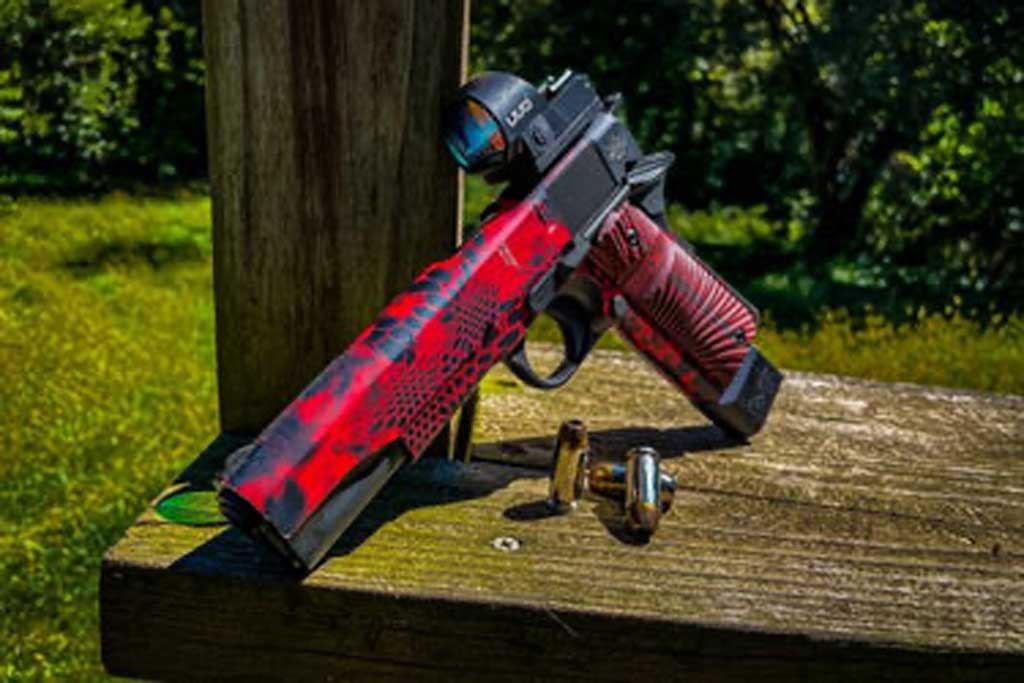
Locked on Target: Red Dot Sights Hunters Swear By
Stillness is something all hunters are aware of. The forest is calm, a slowing down of breathing, and you are focused on the animal before you. During this unstable time, there is no space to hesitate. Success or missed opportunity means the ability to tell the difference between the speed of aiming and the bravery of aim. This is why red dot sights were accepted by so many hunters- not to impress, but to make such moments more stable, quicker, and less likely to fail.
It is different when you look through a red dot sight for the first time. The dot illuminates, clean and simple to approximate where you need your bullet or arrow to be. No juggling of front and rear sights, no fiddling with magnification. You, your target and a spot of concentration.
Natural Red dots
The common thing hunters who move on to red dots say is that it feels like they are using part of their instincts. You do not think of aiming; you simply do it. Lift your rifle, and the dot is there already, waiting. The time from sighting your game to firing the trigger reduces significantly, and you do not have to concentrate on your mechanics.
A velocity-rich game particularly distinguishes it. Imagine a phaeton of pheasant taking wing or a hog breaking in the limit of the wood. When using iron sights, it can be cumbersome to align. Sometimes you are wrestling against magnification or the field of view with a scope.
Hunting in and out of the Shadows and Light
Dealing with light is one of the most difficult issues that any hunter may encounter. In the morning, the fog is dense, and shadows mingle with everything. In the evening, the forest becomes dark relatively fast, and objects blur in the background. Unluckily, these are the times when animals move the most. A deer is careful, fawning at twilight, and the turkey starts to strut as soon as a ray of light appears.
Iron sights have a bad reputation in such conditions. You squint, hold your head at an angle, and occasionally have to question yourself on what exactly you are seeing. A red dot, however, burns brightly and constantly. Be it dark surroundings, the vision remains clear and puts your eye in the right place. That is a difference in the world. It is no longer the fight against the environment-it is the work with the environment.
Conceived as a trophy, and not a bookshelf.
Not only are red dot sights accurate, but they are also rugged. Wilderness is harsh to gear. Tree trunks might knock rough castles or the riffles against them, and the branches snag, and rain comes down. A weak vision cannot last in such conditions, and hunters are aware of this. This is why the majority of red dots are constructed to be weatherproof and abuse-resistant.
It is true after you sight in. Whether you hit it on an ascent to your stand or if the weather turns on you, it does not matter. When you lift your rifle once more, the dot will be there. This trust comes through that reliability. You no longer obsess about all your gears; you are 100 percent on the hunt.
Red Dot Mental Edge
Hunting does not only require expertise when it comes to using a rifle or a bow, but it also requires a lot of mental stamina. Waiting long hours, the suspense of an impending arrival, and the self-control not to be excited, all have their toll on a hunter. So in the moment before the fire, the tiniest doubt can get in.
And that is where a red dot can give you something extra, the opposite of mechanical advantage. It gives assurance. When that instant comes when you see that the dot is on your target, the doubt is gone. You wonder whether your sights are lined or if you’re off track in some small way. The view helps you feel prepared. Such composed assurance usually determines the difference between a hesitating stroke and a successful, clear stroke.
Adjustment to varying hunts
The versatility of the red dots is attributed to how they can adjust to varying hunts.
When there is less distance, as in wooded areas, deer hunters need a red dot. Sometimes, you do not require magnification; you require speed and accuracy within confined areas. The visible dot is useful when that deer walks out of range, only to disappear again.
To turkey hunters, that a plus is equally obvious; turkeys are unpredictable in their locomotion, and on a few occasions, there is the head-bobbing that makes aiming difficult. You will be able to keep your target without lacking that small window with a red dot.
They have even attracted waterfowl hunters. When ducks or geese come barreling across the sky, you can follow with a smooth movement of your eyes, and your vision remains ahead of the duck where you are going to hit it with your shotgun.
Setting one up in the Field
Another reason hunters prefer red dot sights is that the installation process is relatively simple. When mounted, it’s a real hassle to zero it in. It involves going to the gun range, taking a target, firing a few shots, and adjusting small elements until the dot aligns with the impact point of your bullets.
It may require a small amount of patience; however, after that, you have the confidence to go out into the woods and know that your sight picture is accurate. And the sweetest thing of all was that he could not express his inability to walk. A red dot, properly mounted, however, will not move with every little bump like some configurations can. This spells less to worry about during the season and more time participating in your hunt.
What Hunters Love about Red Dots
Talk to somebody who has made the shift, and a pattern emerges: once they use a red dot, they do not switch back. It is not merely about aiming faster and being more accurate- it is about the experience with it. Hunting is easier. Shots are more natural. Clarity is gained, and shyness is lost.
It isn’t a typical upgrade; we are aiming differently than before. It’s a whole new way of hunting. You cease overthinking. You no longer have second-guessing. You begin to believe your gut, and the red dot is then just a confirmation of what you suspect.
Conclusion
It is about sitting quietly in the woods, waiting to move and admiring the animals you are following. Gear must not interpose itself between that and us–it must be how we effect that.
Red dot sights accomplish that. They do not complicate the hunt; they make it easy. They remove distractions and allow you to concentrate on what is important: your target, your shot, and an opportunity that you have been waiting to obtain.