
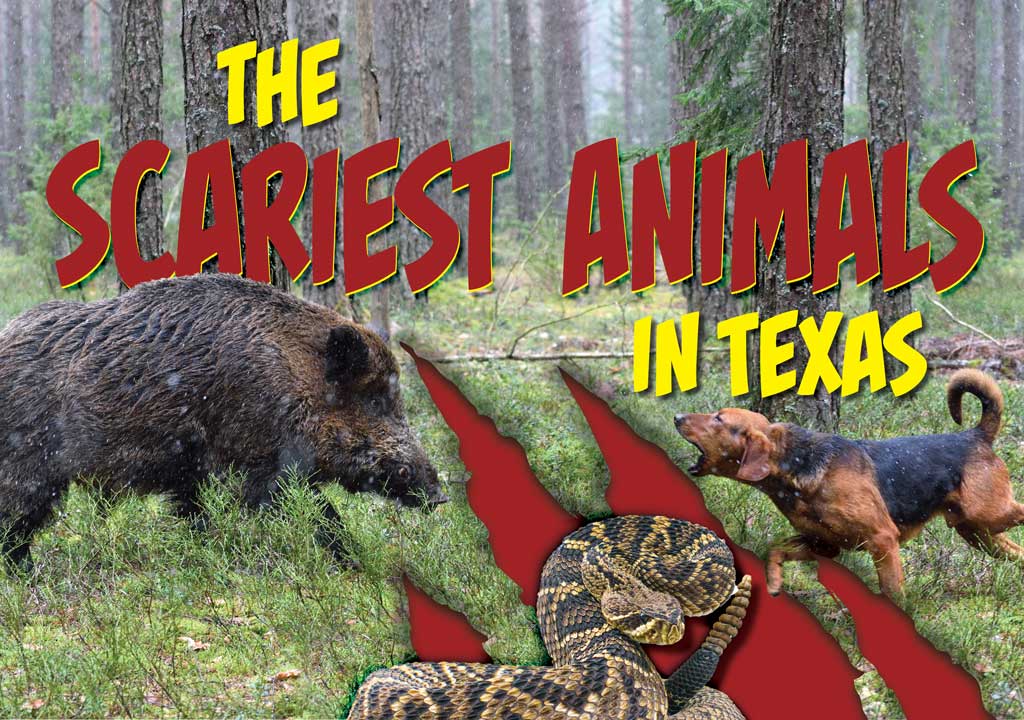
The Texas Outdoors Has Tusks, Venom and Other Dangers
Feature Article by CHESTER MOORE
LISTEN: (7 min, 19 sec)
TEXAS IS A HUNTING AND FISHING paradise, but it’s also home to some of the most dangerous wildlife hunters are likely to encounter anywhere in North America. While most hunters are tuned in to wind shifts and game movement, it’s easy to forget that the outdoors has teeth, venom, and disease waiting in the shadows. From the pine forests to coastal marshes, these five threats deserve more attention from anyone heading into the field.
Feral Hogs
There’s no bigger physical threat in the Texas backcountry than feral hogs. With numbers estimated at over 2.5 million and rising, feral swine have become the most encountered and most unpredictable large mammals in the state. While most hunters encounter them through hog hunts or game camera footage, the real danger comes when things get personal.
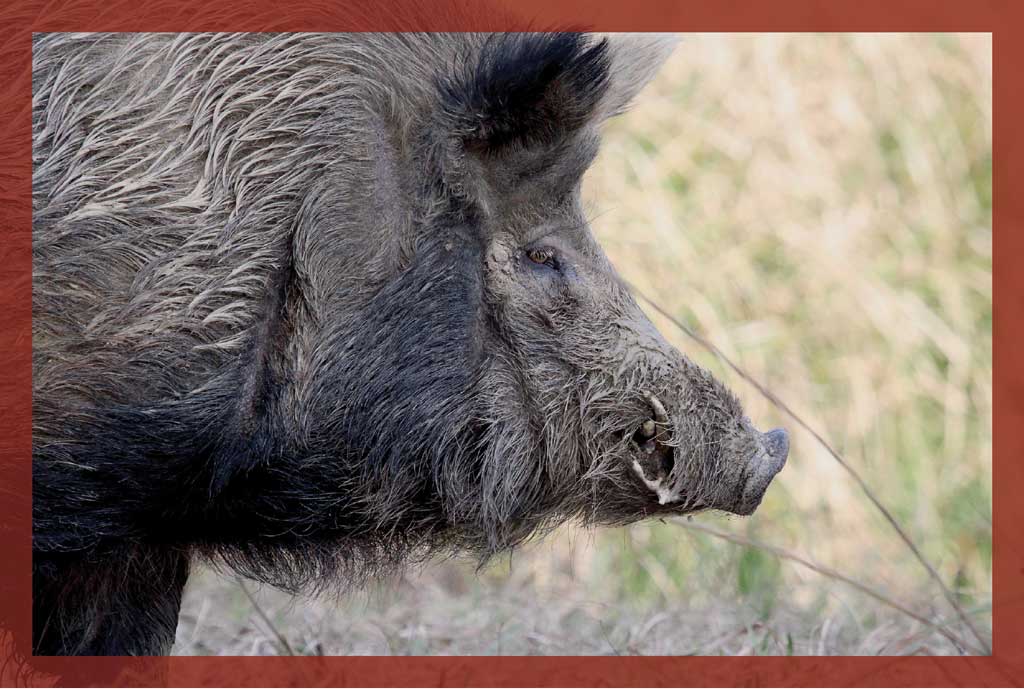 Feral hogs are not just crop-destroying nuisances—they can be lethal.(Photo: CHESTER MOORE)
Feral hogs are fast, muscular, and equipped with sharp tusks capable of inflicting devastating injuries. If wounded, cornered, or protecting young, they won’t hesitate to charge. Fatalities are rare, but they do happen.
In 2019, a woman named Christine Rollins was killed outside a home in Anahuac. She was attacked and mauled by a group of hogs in the early morning hours, according to the Chambers County sheriff. It was a gruesome reminder that these animals are not just crop-destroying nuisances — they can be lethal. That attack took place in a front yard, not deep in the wilderness. Imagine what can happen in a tight thicket at dusk with no line of retreat.
For hunters stalking deer, trailing blood, or recovering downed game in heavy cover, the possibility of flushing a sounder is real. Being alert, armed, and mentally prepared to handle an unexpected hog encounter is just as important as shot placement.
Western Diamondback Rattlesnake
In much of Texas, especially in the Hill Country, South Texas brush, and desert regions, the western diamondback rattlesnake is the dominant venomous species. It’s also the most dangerous snake hunters are likely to come across, due both to its widespread distribution and its potent venom.
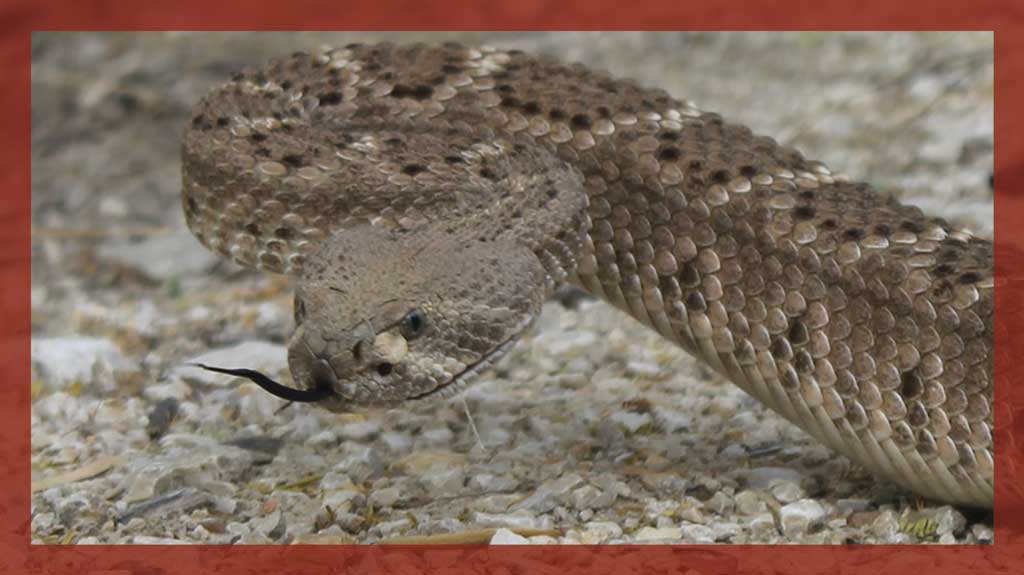 The western diamonback rattlesnake is the dominant venomous species in South Texas, the Hill Country and desert regions of the state.
(Photo: PUBLIC DOMAIN)
Diamondbacks are ambush predators that rely on camouflage and stealth. Often, they won’t rattle until it’s too late or won’t rattle at all. Many bites occur when someone steps near a coiled snake in tall grass or reaches under a log or blind without checking.
The bite itself can cause severe tissue damage, internal bleeding, and even death if left untreated. The good news is that fatalities are rare due to widespread access to antivenom. The bad news? Getting to that treatment in time can be a serious problem if you’re in a remote lease or deep in our limited public land country.
Before sitting in a blind or popping up a ground setup, it’s smart to do a full check for snakes even in cooler months when they may still be active on warm afternoons.
Blacklegged (Deer) Tick
Unlike the other threats on this list, deer ticks don’t strike with speed or force. But they may be the most dangerous animal a hunter can encounter and they’re often unnoticed until it’s too late.
 TextHere
(Photo: PUBLIC DOMAIN)
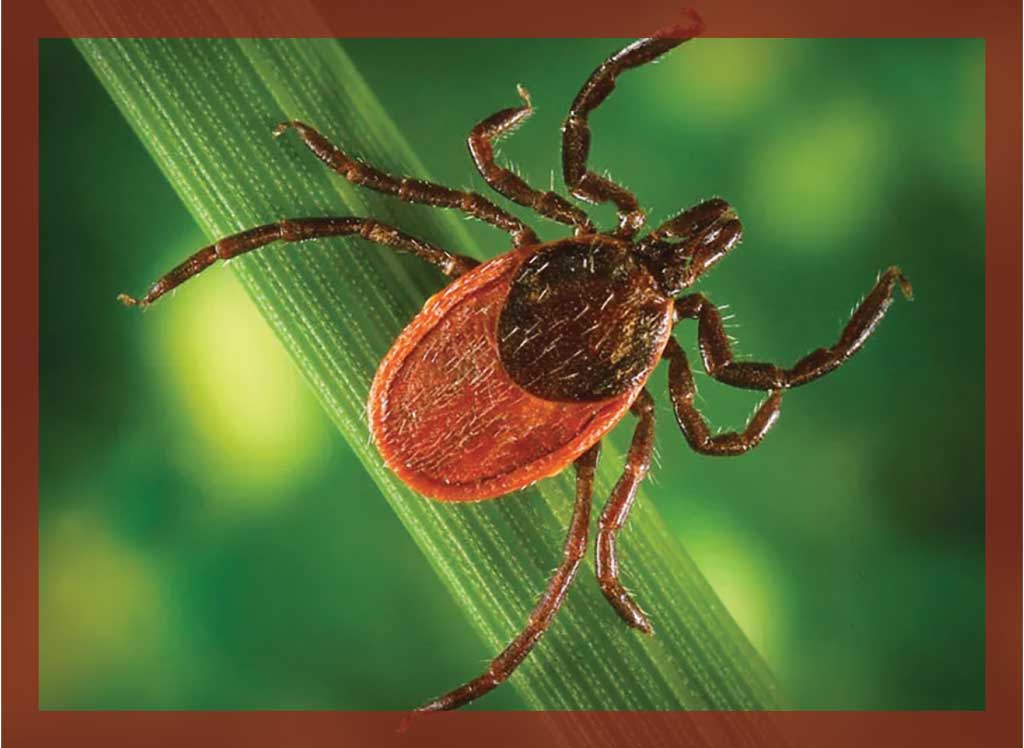
The blacklegged tick (commonly known as the deer tick) is the primary vector for Lyme disease. While Texas doesn’t see the same volume of confirmed Lyme cases as the Northeast, the risk is very real and growing. Other tick-borne illnesses, including ehrlichiosis and Southern tick-associated rash illness (STARI), also present serious health threats in Texas.
A tick bite is painless. Many hunters brush through tall grass, sit on logs, or crawl through leaves during stalks or setups, giving ticks the perfect opportunity to latch on. Once attached, they can go unnoticed for 24–48 hours, which is the window needed for Lyme transmission to occur.
Symptoms don’t always show up right away, but when they do, they can include severe fatigue, joint pain, heart problems, and neurological effects. Some cases lead to months or years of health problems. And in many parts of Texas, Lyme and tick-borne illness awareness is still lacking among both doctors and hunters.
The best defense is treating clothing with permethrin, using repellents containing DEET or picaridin, and doing thorough tick checks after every hunt. This is a silent threat that requires proactive habits—not reactive care.
Stingrays
For anglers and bay-hunting waterfowlers, stingrays are an often overlooked but serious danger. These flat-bodied fish lie buried in soft sand and mud, perfectly camouflaged in shallow water. Step on one, and its whip-like tail will lash upward, driving a venomous barb deep into the leg or foot.
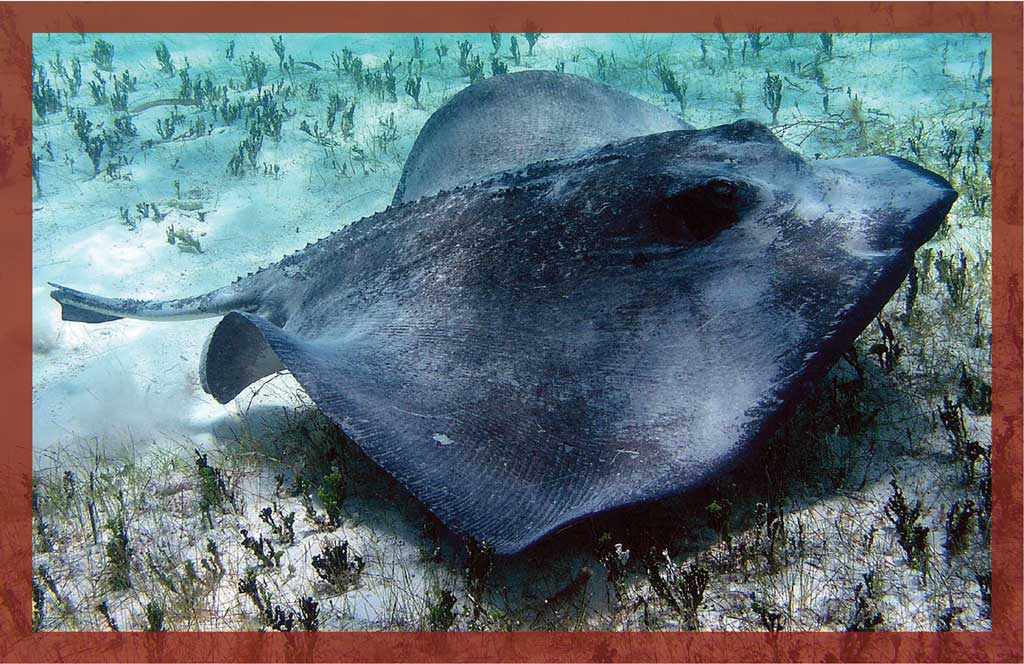 Stingrays are an often overlooked danger for anglers and bay-hunting waterfowlers.
(Photo: PUBLIC DOMAIN)
The injury itself is incredibly painful. The stingray’s barb can tear muscle, sever tendons, and deliver venom that causes intense burning pain and swelling. If the barb breaks off under the skin as it often does it can lead to infection or require surgical removal. The risk isn’t limited to summer wade fishing. Stingray strikes can and do happen during early-morning teal hunts, marsh scouting trips, and when retrieving downed birds.
The best prevention is simple but essential: the stingray shuffle. By sliding your feet along the bottom instead of stepping, you give the ray a chance to move off. Many seasoned hunters also wear ray-guard boots or leggings when wading in high-risk areas. Awareness and foot discipline are the difference between a routine hunt and an emergency extraction.
Feral Dogs
The danger posed by feral dogs is growing quietly and rapidly. These are not lost pets—they’re wild animals that have either escaped or been dumped, and they’ve adapted to life in the woods and on the edge of civilization. Some form packs. Others roam solo. But all have the potential to be dangerous.
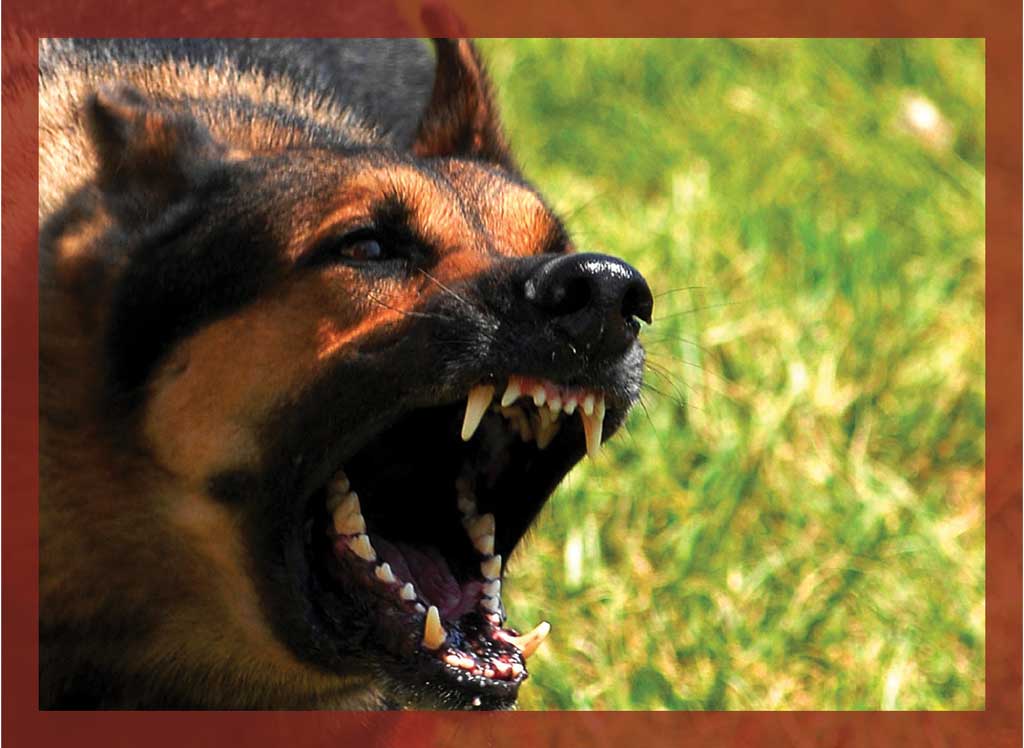 Feral dogs are not lost pets—they are wild animals that, unlike coyotes, can be agressive and generally don’t fear humans.
(Photo: PUBLIC DOMAIN)
Unlike coyotes, which generally avoid humans, feral dogs can be aggressive, territorial, and bold. There have been incidents of hunters being stalked or confronted by these animals, especially near food sources like feeders, gut piles, or bait sites. Some carry diseases, including rabies and distemper, and most won’t show typical fear of humans.
They’re also often armed with familiarity as they know how people move, how blinds are set up, and where deer are being patterned. That combination of wild instinct and domestic awareness can make for a very unpredictable threat.
It’s wise to carry a sidearm in areas where feral dog encounters are possible. Hunters running dogs, especially hounds or retrievers, should be extremely cautious when operating in areas where feral packs have been spotted.
Final Thoughts
The reality is simple: while Texas outdoors lovers enter the wild in search of game, they often forget the wild may be hunting too. Preparation, situational awareness, and gear suited for more than the target species are what keep a hunter in control when things go sideways.
Every one of these threats is manageable. But they’re also real. Treat them as seriously as any trophy buck, and you’ll return from the field safe and smarter for the next trip.
—story by CHESTER MOORE
