
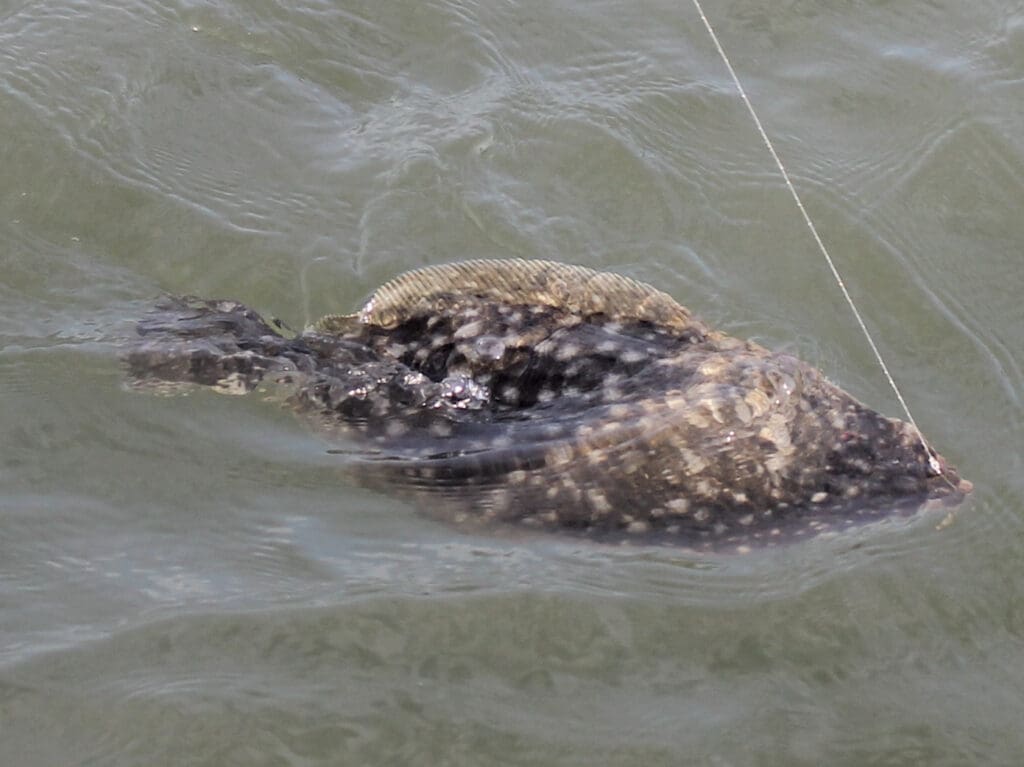
When the first cool mornings of October touch the Texas coast, anglers know it’s time to start thinking about flounder. Few fish mark the change of seasons quite like these flat ambushers, and for many fishermen, fall flounder runs are the highlight of the year. The trick to consistent success is understanding timing, tide, and tackle.
Timing the Tides
On the Texas coast, incoming tides are the ticket for flounder fishing in the fall. Rising water pushes shrimp, mullet, and other forage out of the bays and into cuts, marsh drains, and shorelines where flounder lie in ambush. As long as the weather stays mild, this pattern can produce steady action, with fish stacking up on the edges of channels and around structure. But everything changes when the first big cold fronts roll through. Those north winds purge the marsh, draining bait by the bucketload, and the easy rhythm of the incoming tide bite fades. From then on, flounder begin their migration, and anglers must shift tactics toward passes and Gulf-bound routes.
Lures and Rigs That Produce
Flounder are not overly picky, but presentation matters. A tried-and-true favorite is the Gulp! Shrimp on a 1/8-ounce jighead. Cast upcurrent, let it sink to the bottom, and work it with short hops. The scent and soft texture of the Gulp! are often too much for a flattie to resist.
Another effective setup is rigging a Gulp! Shrimp beneath a popping cork, but this time with a 1/16-ounce jighead. This method shines when fishing over shell or rocky structure. The cork keeps your bait just above snags while the popping action calls fish in. It’s especially deadly around shorelines littered with oyster beds where shrimp naturally flush in with the tide.
Don’t overlook classic plastics either. Curl-tailed grubs remain a staple for fall flounder anglers. Their undulating tails provide irresistible motion, and they work best when bounced slowly across sandy or muddy bottoms. White, chartreuse, and pink are dependable color choices, though matching water clarity is always smart.
Finding the Right Spots
The Texas coast offers countless opportunities, but a few rules help narrow down prime flounder habitat. Look for edges where sand meets shell or mud meets rock. Flounder love transition zones where baitfish are forced to swim across exposed ground. Bridge pilings, jetty rocks, and riprap also hold fish, especially when current sweeps through. Don’t be afraid to fish shallow—some of the biggest flounder caught each fall come from less than three feet of water.
Working the Bite
Patience and a soft touch are crucial. Flounder often strike with a thump, but they don’t always inhale the bait immediately. After that first bump, give the fish a moment. Lower your rod tip, count to two, then set the hook with a firm sweep. Many anglers lose fish by rushing the hookset.
As fall rolls on and fronts grow stronger, the flounder action shifts toward passes and beachfronts. Until then, the weeks leading up to the first strong cold snap are prime time.
Don’t forget flounder season closes Nov. 1 and reopens Dec. 15.