
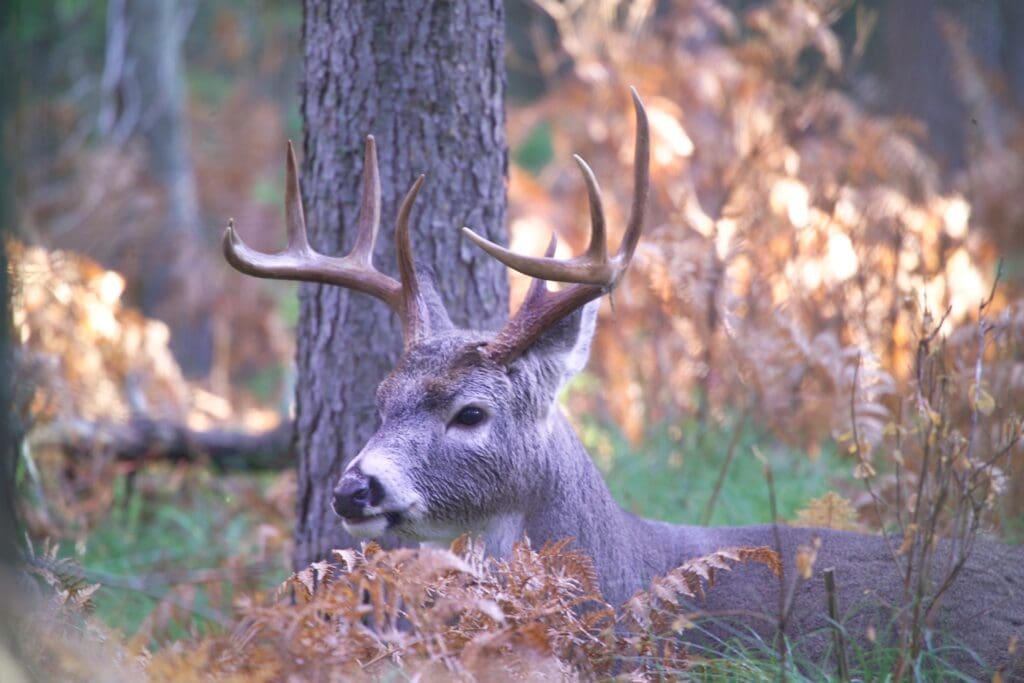
The archery-only season for whitetail deer opens Saturday, and that means thousands of Texas bowhunters will take to the field across the state to get an early crack at the state’s most popular game animal. This early season is always an exciting time, but it also comes with unique challenges and considerations that every hunter should keep in mind.
Timing Your Hunts
If your work schedule doesn’t allow you to hit the woods early in the morning, don’t feel bad about going out later. Multiple studies show that some of the biggest bucks move either after dark or during late morning to early afternoon hours, especially between 10 a.m. and 2 p.m., when most hunters are back at camp. This is an overlooked window of opportunity that can reward patient hunters who are willing to sit longer or shift their schedules.
Safety in the Field
Early season means warm weather, and with it comes snakes and ticks. In areas like South Texas, snakes—including copperheads, cottonmouths, and rattlesnakes—remain active throughout much of the season. Be especially cautious stepping over deadfall, tall grass, or while tracking a deer after dark. Always carry a reliable light, and if possible, avoid blood trailing alone at night.
Ticks are another serious concern, as they can transmit Lyme disease and other illnesses. Applying a repellent that contains DEET and doing thorough tick checks once back at camp should be part of your routine.
The “Wind Baiting” Trick
Years ago, a hunter named Herb York introduced a clever tactic known as wind baiting. He would keep a Ziploc bag of flour in his stand and occasionally release a puff into the wind. Whether or not the flour actually drew deer is hard to prove, but it worked well as a cover scent, masking human odor and creating curiosity among nearby animals. At the very least, it’s an inexpensive experiment that won’t spook game and might give you a small edge.
Stand Placement & Wind Discipline
One of the most important factors in bowhunting success is stand location in relation to the wind. Early season deer are highly sensitive to human odor, and a single mistake can push them out of a pattern for days. Always check the wind direction before entering the woods and avoid cutting across bedding areas or travel routes. If possible, hang multiple stands for different wind scenarios so you don’t burn out one location.
Patience & Shot Selection
Archery hunting is a game of patience. Shots are often closer, and deer movement is less predictable than during the rut. Wait for a clear, ethical shot within your effective range, and resist the urge to push limits. Wounding and losing a deer not only wastes meat but can also sour the season. Practicing at varying angles and from elevated positions before opening day will help ensure you’re ready when the moment arrives.
Archery Gear Check
Before you climb into the stand, make sure your equipment is in top shape. Broadheads should be razor-sharp, strings waxed, and arrows properly spined. Double-check your harness if you’re using a treestand, and always wear it. A simple gear check can prevent accidents and make the difference between a successful harvest and a missed opportunity.