
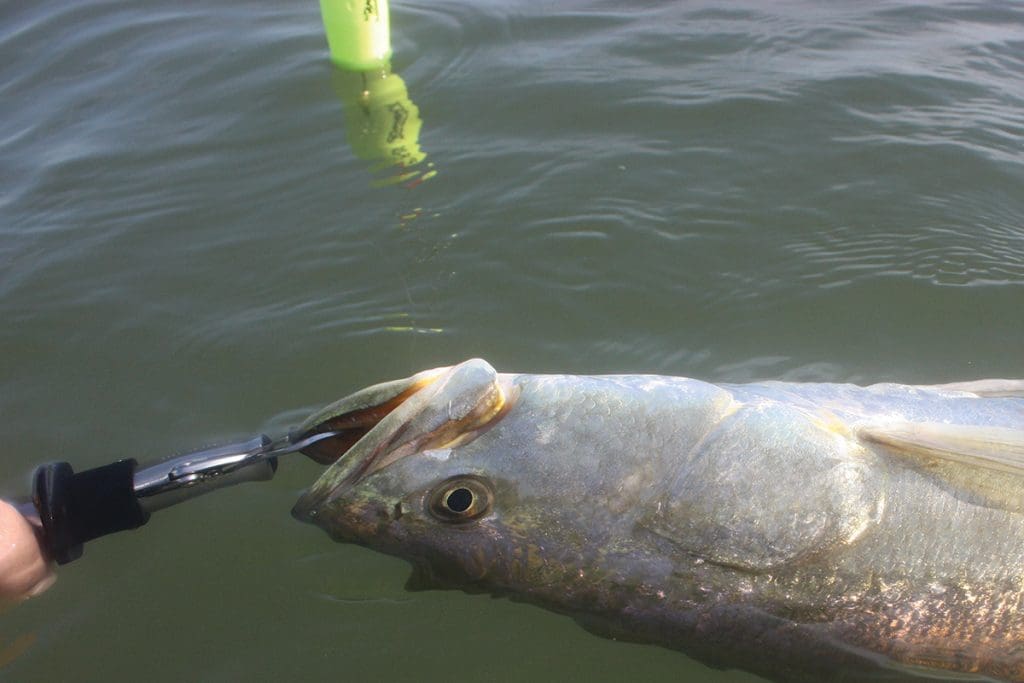
October on the Texas Upper Coast is all about transitions. Shrimp are migrating, fronts are rolling through, and anglers are shifting from summer surf patterns to fall bay strategies. Yet hidden in plain sight up rivers and in the big bayous that spill into the northern ends of bays specks are still feeding heavy. And if you know the signs, you can catch them while most anglers look elsewhere.
Why They’re There
Specks move into rivers and bayous chasing comfort and food. In October, menhaden—better known as pogies—often push far up these systems. The combination of cooler water, steady flow, and easy groceries makes northern bay tributaries a hotbed for trout.
Many fishermen overlook these areas, assuming trout have already moved back into the main bays. But where pogies gather in schools, predators follow. In the deeper bends of rivers and the mouths of large bayous, trout use current breaks, eddies, and structure to ambush bait.
The Slick Truth
When trout are feeding on pogies, they leave behind one of the clearest calling cards in fishing: slicks. These small oil sheens pop up when trout crush menhaden, releasing their oils onto the surface.
Fresh slicks are tight, oily, and carry that telltale watermelon smell. Old slicks spread wide and drift with the wind. On calm October mornings, spotting a fresh slick on the bend of a river or in the middle of a bayou can be your roadmap to feeding fish. It’s a natural signal that trout are feeding below.
Birds Don’t Lie
Another surefire sign is bird activity. Gulls and terns don’t waste energy unless bait is being driven to the surface. When you see diving birds working pogies on the northern end of a bayou mouth or along a river channel, ease into casting range. Redfish may dominate the chaos, but trout are often hanging on the edges, sniping stragglers.
Patience is key here. Don’t blow through the birds—set up on the periphery and cast to the sides. That’s where the bigger trout often lurk, away from the frenzy.
Tactics For Specks That Work
The most consistent tactic is matching the hatch. Soft plastic swimbaits in natural shad or menhaden colors fished on quarter-ounce jig heads do the trick. Cast into current seams or just outside the bait schools and retrieve steady.
Topwaters are also deadly at dawn and dusk in these systems. Walking-the-dog along a bayou bank lined with pogies can trigger explosive strikes from trout that ambush near the surface.
If live bait is your style, free-lining finger mullet or small shad is hard to beat. Let them swim naturally into the current, and it won’t take long before a trout finds them.
A Forgotten Fishery
October river and bayou trout are often overlooked, which makes this fishery special. While crowds are pushing into open bays or chasing bull reds in the surf, you can work the northern ends of bays, rivers, and big bayous for steady speckled trout action.
By following the pogies, watching for slicks, and reading the birds, you’ll discover one of the Upper Coast’s most reliable yet underappreciated fall patterns. Once we get. strong cold front this will pretty much end and the bait focus will switch to shrimp but for the next couple of weeks give this a try.
This October, don’t forget the rivers and bayous. They might just hold your best trout of the season.
Chester Moore