

Along the Gulf Coast, from the marshes of Louisiana to the bays of Texas, a quiet shift is about to ripple through the fishing community. Both states are preparing to enforce their annual flounder closures, temporary bans designed to protect Southern flounder as they begin their critical fall migration and spawning season.
In Texas, the closure runs from November 1 through December 14, during which no flounder may be legally harvested and only catch and release is allowed. The Texas Parks and Wildlife Department says the six-week pause helps protect mature female flounder as they move from shallow bays into the Gulf to spawn. Once the closure lifts, anglers can once again keep up to five flounder per person per day, each measuring at least 15 inches.
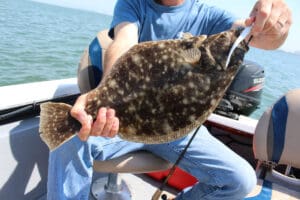
Across the border, Louisiana’s closure starts a bit earlier. From October 15 through November 30, both recreational and commercial harvests are off-limits statewide. The Louisiana Department of Wildlife and Fisheries says this rule covers all gear types , even bycatch from shrimp trawls as part of a broader effort to rebuild the species’ struggling population.
Together, these closures create an overlapping window in mid-October through mid-December when flounder fishing slows dramatically along the northern Gulf. For guides and weekend anglers alike, that timing can sting as it lands squarely in the heart of what’s usually peak fall fishing season, when cooling waters trigger strong bites from flounder, redfish, and speckled trout. Many anglers count on this period to fill freezers or book charters, so the restrictions can make things a little tougher on both the wallets and the weekend plans.
Why the squeeze? Biologists say flounder migrate offshore to spawn during this time, leaving them vulnerable to overharvest. Populations across the Gulf have declined in recent decades, prompting states to step in with conservation closures. The idea is simple: give the fish a chance to spawn undisturbed, and ensure healthier numbers for future seasons.
So, before you load up the boat this fall, double-check those regulations.