
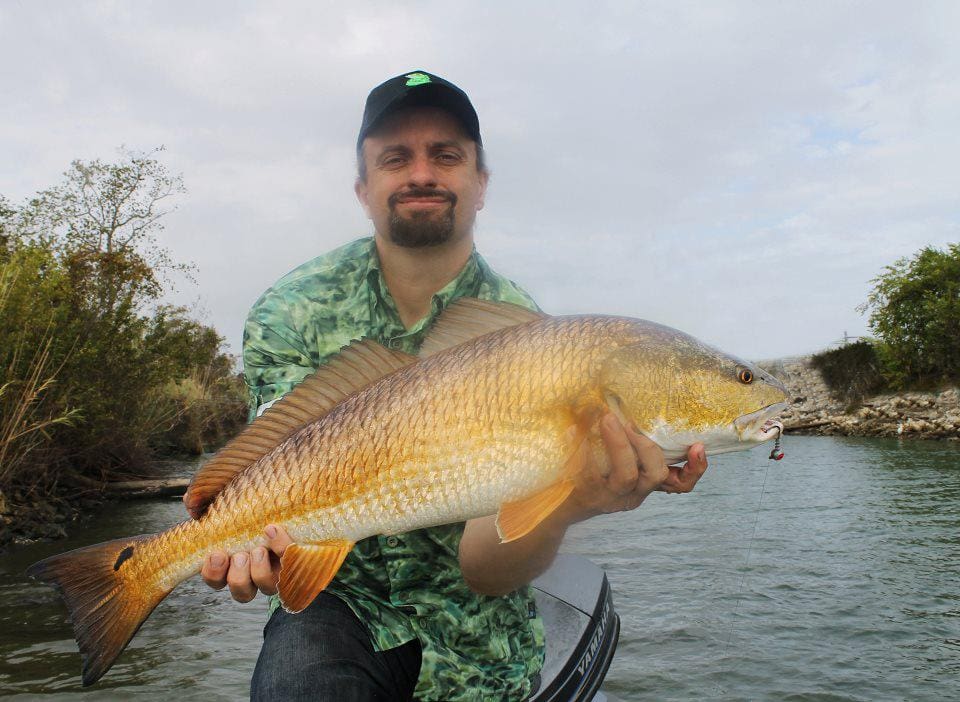
Catching winter redfish in Texas ship channels requires understanding how colder weather, deeper water, and tidal movement change the fish’s behavior. When temperatures drop, redfish concentrate in deeper, more stable environments—making ship channels one of the most consistent places to find them. The following strategies will help you target them effectively and increase your success.
1. Focus on Deep Structure and Ledges
During winter, redfish move to the deepest, most temperature-stable water. Ship channels often range from 20 to over 50 feet deep, with sharp ledges and drop-offs where fish stack tightly. Use sonar to locate these depth transitions. Concentrate on channel bends, points, and areas where the bottom changes from rock to mud or mud to shell.
2. Stay Near the Bottom
Cold-water redfish conserve energy and hold tight to the bottom. Your lure or bait must stay low to be effective. Use heavier jigheads (½ to 1 ounce depending on current strength) to reach and maintain bottom contact. If your lure rises more than a few feet, your chances of getting bit decrease significantly.
3. Use a Slow, Controlled Presentation
Winter redfish rarely strike fast-moving baits. They respond best to slow, subtle movements. After your bait hits the bottom, use minimal rod action—small hops, slight drags, or even dead-sticking. Expect very light bites. Many strikes feel like added pressure, soft taps, or a mushy sensation instead of an aggressive pull.
4. Choose Natural, Subtle Colors
Winter water clarity is usually higher, so fish become more cautious. Stick with muted, natural colors for soft plastics and bait. Effective soft-plastic colors include pearl, bone, smoke, root beer, and natural shrimp tones. Scented plastics like Gulp! shrimp in natural colors work extremely well. Live bait such as shrimp or mullet on a Carolina rig or jighead is also effective when fished low and slow.
5. Adjust for Tides and Currents
Ship channels are strongly affected by tidal movement. Outgoing tides often produce the best feeding activity because bait is flushed from the bays and marshes. Use heavier weights during strong flow and lighten up when the current slows. Target current seams, eddies, and places where rocks or structure break the water flow—these areas concentrate feeding redfish.
6. Take Advantage of Barge Traffic
Passing ships and barges stir up the bottom, kicking loose shrimp, crabs, and baitfish. Redfish respond quickly to this disturbance. After a barge passes, cast behind the wake, allow your bait to sink, and let it settle in the stirred-up bottom. It’s common to hook a fish shortly after the water calms.
7. Watch the Weather for Optimal Conditions
The best winter redfish action often occurs after a cold front stabilizes and high pressure sets in. Right after a front, fish may drop deeper, but they feed more predictably once conditions level out. Clear skies and north winds often lead to cleaner water and easier fish positioning.
8. Use Electronics Wisely
Because winter redfish hold close to the bottom, sonar is extremely important. Look for clusters of arcs or dense “blobs” near deep structure. If you mark fish, stay in that area. Winter redfish are less mobile and may hold in one location for hours or days.
This structured approach will help you consistently locate and catch winter redfish in Texas ship channels.