
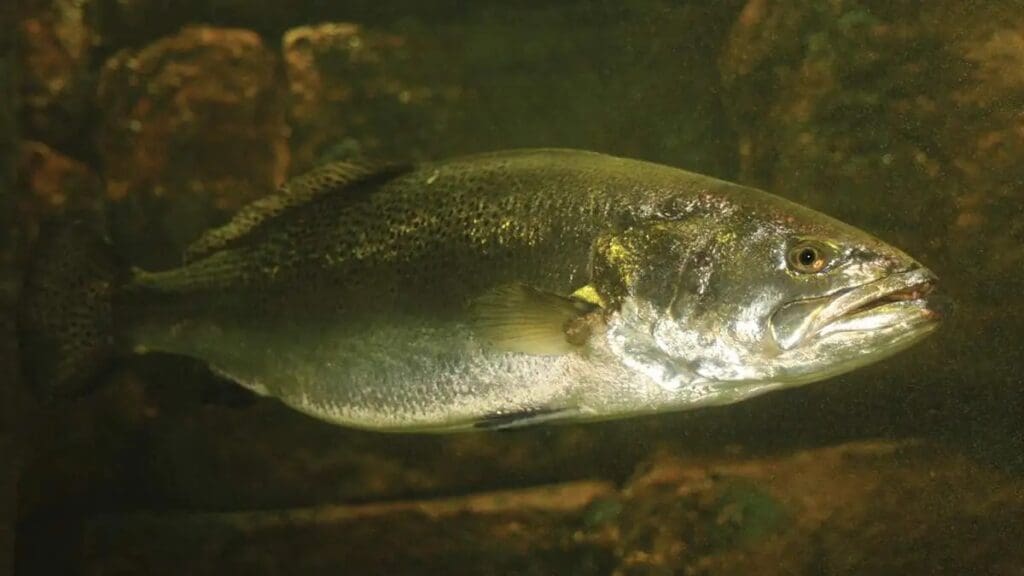
The Aransas Bay Complex is at its most honest in February. Cold fronts have thinned the crowds, water temperatures are at their seasonal low point, and fish behavior is no longer scattered or random. For anglers willing to slow down and fish deliberately, February offers some of the most predictable speckled trout and redfish opportunities of the year.
The Aransas Bay Complex—including Aransas Bay, Mesquite Bay, St. Charles Bay, and adjacent shorelines—functions as a winter refuge system. As water temperatures drop, bait and gamefish slide off shallow flats and position in areas that offer depth, darker bottom, and protection from rapid temperature swings. Understanding that movement is the key to success.
Speckled Trout: Deep, Subtle, and Selective
February speckled trout are rarely where you want them to be—they’re where they have to be. Look for deeper basins, guts, and channels adjacent to shallow feeding flats. In Aransas and Mesquite bays, trout often stage along drop-offs near reefs, spoil banks, and shell pads that lie close to deeper water. These areas warm slightly faster on sunny afternoons and hold bait consistently.
Cold-water trout feed in short windows, often late morning through early afternoon after the sun has had time to stabilize temperatures. Slow presentations are critical. Soft plastics worked close to the bottom or suspending baits fished methodically along depth changes tend to outperform faster techniques. Strikes are frequently subtle—more pressure than pop—and patience pays.
One of the most overlooked February trout patterns in the complex is targeting leeward shorelines with dark mud bottoms. These areas absorb heat, even on cold days, and can draw trout shallow for brief feeding windows. When conditions align, these short-lived bites can produce some of the heaviest trout of the season.
Redfish: Structure and Sunlight
Redfish in February are more forgiving than trout, but they still follow clear rules. Schools often hold in deeper back-lake basins, channels, and along protected shorelines where water remains stable. In the Aransas Bay Complex, redfish frequently relate to shorelines with mixed mud and shell, as well as areas with immediate access to deeper water.
Sunny afternoons are prime time. Redfish will slide shallow to warm themselves and feed, especially along south-facing shorelines protected from north winds. Sight-fishing opportunities can still exist on calm days, but blind-casting structure and shoreline edges is often more consistent.
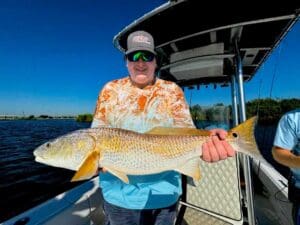
Live bait and slow-moving artificials both work well, but presentation matters more than lure choice. Reds in cold water may follow a bait for several feet before committing. Keeping offerings in the strike zone longer increases success dramatically.
The biggest mistake anglers make in February is fishing memories instead of conditions. Winter patterns shift daily based on weather, tide, and sun. Successful days in the Aransas Bay Complex come from adjusting depth, slowing down, and focusing on areas that offer fish comfort rather than convenience.
February doesn’t offer the fast action of warmer months, but it delivers something better—clarity. Fish are grouped, patterns are defined, and when it comes together, the rewards can be exceptional.