
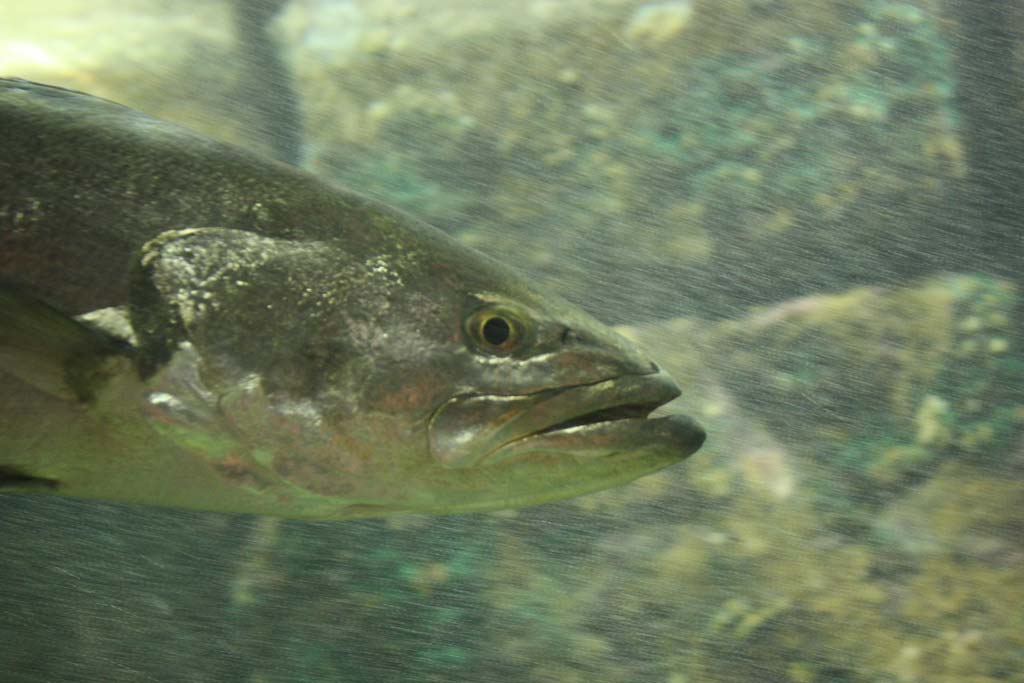
Late winter along the coast is a season of patience. The water is still cool, the bait is scattered, and most anglers have shifted their focus offshore or upriver. But during a stretch of warmer weather—especially after several calm, sunny days—something subtle happens along the jetty systems. Speckled trout show up.
They’re already there in my opinion but a little warm turns them on.
It’s rare to catch them this time of year. No one is stacking numbers. But they’re there.
I remember years ago standing on the Sabine jetties with my friend Dean Dyson. We were there targeting bull reds, soaking big baits and watching the surf roll. Trout weren’t even on our radar. Then Dean hooked up—and it wasn’t a red. After a steady fight along the rocks, he landed a heavy, late-winter trout that had no business being there by conventional thinking. That fish fascinated me. It stuck in my mind because it proved something: even when you’re not specifically targeting them, trout can be holding on those rocks in the coldest stretch of the year.
When late-winter air temperatures climb into the 60s and 70s for several days, the granite along jetties begins absorbing heat. That warmth radiates into the surrounding water, sometimes raising the temperature just enough to attract baitfish. Where the bait gathers, trout follow—especially larger, more solitary fish looking for an easy meal in a stable environment.
The key is understanding where they position.
Focus on Structure and Sun
Target the rocks that receive the most afternoon sun. South- and west-facing stretches warm first. Pay close attention to:
-
Rock transitions where large boulders shift to smaller rubble
-
Gaps or cuts where water funnels through
-
Slight depth changes along the jetty edge
-
Protected pockets out of heavy wind
Late-winter trout often hold tight to structure. They won’t roam far. If you get bit in one small stretch, slow down and work it thoroughly.
Fish Slow — Then Slower
Cold-water trout are lethargic. Even on a warm afternoon, their metabolism hasn’t fully ramped up.
Soft plastics shine this time of year. A 4–5 inch paddle tail in natural colors—bone, opening night, mullet patterns—worked painfully slow near the rocks can draw reaction bites. Let it sink. Crawl it. Pause it. Most strikes will feel like extra weight rather than a sharp thump.
Suspending twitch baits are another strong option. Work them with long pauses—sometimes five to ten seconds between twitches. That pause is often when a trout decides to commit.
If you’re fishing live bait, a free-lined shrimp or mullet drifting naturally along the rocks can be deadly when the fish are present.
Time It Right
Midday is typically best in late winter. Early mornings can still be too cold. Let the sun do its work. The bite window may only last an hour or two, often between 1 and 4 p.m.
Watch the tide closely. Moving water is critical. A slow incoming tide that pushes slightly warmer Gulf water along the jetty edges is ideal. Dead-still conditions often mean dead fishing.
Manage Expectations
You may fish several hours without a bite. That’s part of late-winter jetty trout fishing. But when it happens, it can be a quality fish. This is often when larger trout show up—fish that don’t face heavy pressure in colder months.
It’s rare. But they are there.
The anglers who catch them are the ones willing to fish methodically, target small high-percentage zones, and slow everything down. They understand that a single bite might be the reward for hours of persistence.
Late winter at the jetties isn’t about numbers. It’s about opportunity.
A warm spell, sun-soaked rocks, moving water, and patience—that’s the formula.
And when that rod finally loads up beside the granite, you’ll remember why you came.