
Alligator gar have quietly become one of the most sought-after freshwater game fish in Texas. Once misunderstood and often labeled as “trash fish,” these prehistoric giants are now recognized for what they truly are — living relics that can exceed 200 pounds and stretch more than seven feet long. The pursuit of alligator gar has exploded across Texas and much of the South, drawing anglers who want to tangle with one of the most powerful freshwater fish in North America.
With that surge in popularity comes responsibility.
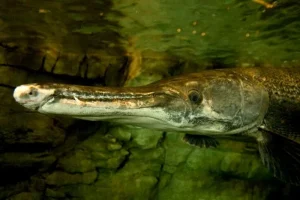
Alligator gar grow slowly and reproduce at relatively low rates compared to many sport fish. In several river systems, historic overharvest and habitat changes led to declining populations. While management efforts and conservation awareness have helped stabilize numbers in some waters, these fish remain vulnerable — especially the largest breeding females that sustain future generations.
That’s why catch and release is critical.
Landing a giant gar is an accomplishment. Releasing it healthy ensures someone else can experience that same thrill — and more importantly, that the fish can continue contributing to the ecosystem. These apex predators play a vital role in balancing river systems, and protecting them safeguards the future of Texas’ freshwater fisheries.
If you’re targeting alligator gar, following a few key practices can dramatically increase survival rates:
Do not use a gaff.
Bringing a massive gar to hand is no easy task, and gaffs have long been standard equipment. However, a misplaced gaff shot — anywhere in the body or gills — can fatally injure the fish. If you must use one, it should only be placed carefully in the soft area of the lower jaw or throat region, but even then it carries risk. Better options include a large landing net capable of supporting the fish’s weight or a properly placed tail rope slipped on as the gar approaches the boat. Both methods significantly reduce internal injury.
Use barbless hooks and never use treble hooks.
Gar often engulf baits deeply. Treble hooks can cause severe internal damage and make safe removal nearly impossible. Barbless single hooks allow for quicker, cleaner releases and minimize long-term injury. The goal isn’t just to land the fish but to release it in strong condition.
Use heavy line and stout tackle.
While extended fights may seem sporting, exhausting a large gar can push it past recovery — particularly in warm Texas waters where oxygen levels drop. Heavy braided line and strong rods shorten fight time and reduce stress. Get the fish in efficiently, control it safely, and return it quickly.
Limit time out of the water.
Alligator gar are tough fish, but prolonged air exposure is dangerous, especially for large specimens. If you want a photo, have the camera ready before lifting the fish. Support its body horizontally, snap a quick shot, and ease it back into the water. Hold the fish upright until it regains strength and swims off on its own.
The growing popularity of alligator gar fishing is a testament to how perceptions have changed. Anglers now appreciate their size, power, and ancient lineage. Promoting ethical catch and release ensures these incredible fish remain part of Texas rivers for generations to come.
A giant gar is more than just a trophy.
It’s a survivor, a breeder, and a symbol of wild Texas waters. Treat it with respect, and let it swim away to fight another day.