
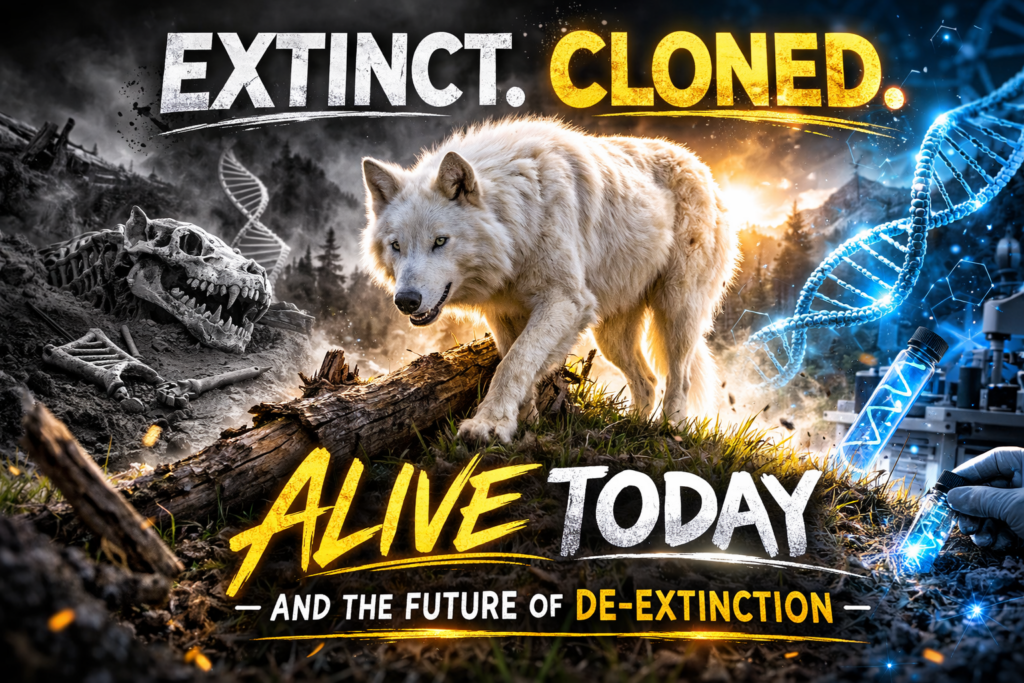
A dire wolf has been brought back through modern genetic science and I sat down with the company executive overseeing the project to understand exactly how it happened.
And it happened in Texas.
In this in-depth interview, we discuss dire wolf cloning, de-extinction science, CRISPR gene editing, ancient DNA recovery, conservation biotechnology, and what this breakthrough could mean for endangered species, ecosystem restoration, and the future of wildlife management.
Watch the interview with the company that did the genetic work.
Is this true de-extinction? Could extinct animals like the woolly mammoth or saber-toothed cat be next? What are the ethical concerns around cloning predators? And how does this impact ongoing wolf conservation efforts in North America?
Topics covered include: Dire wolf genetics Colossal Biosciences and de-extinction research CRISPR and gene editing technology Ancient DNA sequencing Wildlife conservation innovation Endangered species revival Rewilding ecosystems Ethical debates in cloning Extinction reversal science Ghost wolves and hybrid canids
This is not science fiction but modern biotechnology, wildlife science, and conservation at the cutting edge.
If you’re interested in dire wolves, wolf conservation, de-extinction, CRISPR technology, genetic engineering, or the future of wildlife science, this conversation will give you a grounded and serious look at what’s actually happening. Subscribe for more investigative wildlife documentaries, conservation deep dives, and real conversations with scientists working on the front lines of modern biology.