
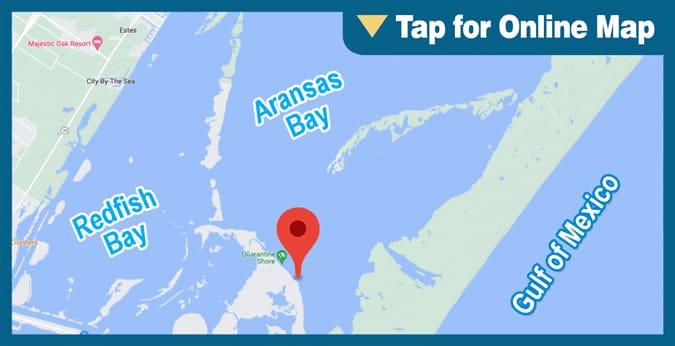
The Aransas Bay Complex is a different animal than the upper coast. It’s not about muddy water, long drifts, and covering miles hoping to stumble into fish. This is a thinking angler’s system—clear water, defined structure, and fish that make you earn it.
Stretching from the marshes of St. Charles Bay down through the grass flats of Redfish Bay and spilling into the Gulf at Aransas Pass, this complex is one of the most complete estuaries on the Texas coast. It’s protected by San José Island, but don’t mistake that protection for stability. Aransas is constantly changing—tides, wind, and freshwater inflow all play a role, and the anglers who adapt are the ones who consistently produce.
You’ve got multiple bays working together here—Aransas, Copano, Mesquite, St. Charles, and Redfish Bay—each with its own personality. Copano and St. Charles lean more toward river influence, with slightly lower salinity and more marsh-driven fishing. Slide south and everything changes. Redfish Bay is all about grass, clarity, and sight-casting opportunities that rival anything on the Texas coast.
And that’s the deal with Aransas—it’s a transition zone. Not quite the hypersaline Laguna Madre, not quite the big, wind-driven systems up north. It sits right in the middle, and because of that, it offers a little bit of everything.
Oyster reefs are the backbone of the system, especially in Aransas and Copano bays. These reefs don’t always show themselves, but they hold life. Trout, drum, and bait stack along their edges, and if you know how to read subtle depth changes, you can stay on fish when others are just drifting empty water.
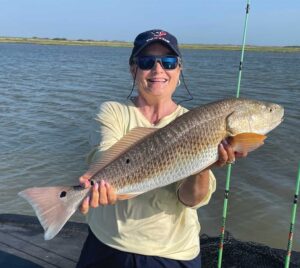
Then there are the flats. Redfish Bay didn’t get its name by accident. Shallow, grass-covered, and often clear enough to see bottom, it’s one of the best places in Texas to hunt redfish in skinny water. This is where you slow down, get out of the boat, and start looking—wakes, pushes, tails. Sometimes the fish give themselves away. Sometimes they don’t, and you have to trust your instincts.
The marsh systems in Mesquite and St. Charles add another layer. These areas can be overlooked, but when water is moving, they come alive. Drains pull bait, and redfish line up like clockwork. It’s not always pretty water, but it’s productive, especially when conditions get tough elsewhere.
And then there’s Aransas Pass. Everything funnels through here eventually. When tides are moving, that pass becomes a conveyor belt of bait and gamefish. In the fall, it’s a highway for redfish, and if you hit it right, you can see some of the most aggressive feeding activity on the coast.
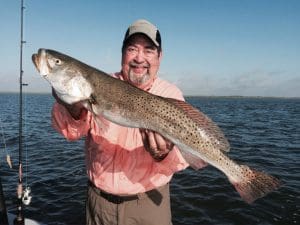
The fishery itself is as solid as it gets. Redfish are the headliner, and they’re everywhere—from tailing fish on the flats to schools pushing shorelines to bulls staging near the pass. Speckled trout relate more to structure here—reefs, grass edges, and subtle drop-offs—but the clearer water can make them more particular. You don’t always get away with sloppy presentations in Aransas.
Flounder show up around drains, channels, and passes, especially when temperatures start to drop. Black drum are a constant presence around shell, often overlooked but always reliable.
Programs like Yamaha’s Rightwaters campaign are helping to keep our waterways healthy in many ways ranging from water quality to invasive species control. To learn more click here.
Seasonally, the system doesn’t shut down—it just shifts. Spring spreads fish out as bait returns and water warms. Summer is made for early mornings and shallow water, with topwaters and sight-casting opportunities stealing the show. Fall is the peak, with aggressive fish and strong movement through the pass. Winter tightens things up, pulling fish into deeper, warmer areas, but even then, a sunny afternoon can light up a shallow flat.
Water clarity is one of the defining factors here. It’s usually better than what you’ll find up the coast, and that changes how you fish. Noise matters. Shadows matter. The way you approach a flat or a shoreline matters. You’re not just fishing—you’re hunting.
Salinity shifts across the system, especially after rains, and that can reposition fish quickly. The same goes for wind. This isn’t a place where you run the same pattern every trip and expect consistent results. You adjust, or you struggle.
That’s really what separates Aransas from other bays. It rewards awareness. You don’t have to run far, but you do have to think. Read the water. Watch the bait. Pay attention to what’s changing.
Do that, and this place will flat-out produce.
Ignore it, and it’ll humble you in a hurry.