

The Galveston Bay Complex isn’t something you learn in a day, or even a season. It’s a system you grow into. A place that reveals itself slowly, one tide, one shoreline, one subtle pattern at a time. It’s not just water—it’s movement. Wind pushing across open bays, tides pulling through passes, rivers feeding life into marshes. Everything connected.
For anglers chasing redfish, speckled trout, and flounder, it offers something rare: diversity with purpose. You can run miles and fish entirely different environments without ever leaving the system. But the key—especially as spring gives way to early summer—is understanding how each part of the complex plays its role.
Because in Galveston, fish don’t just live somewhere.
They move through it.
Galveston Bay: The Big Water
The main bay is where everything converges. Big water, open wind, deep structure. It’s not always pretty, and it’s rarely forgiving, but it has a way of producing fish that feel like they belong there—strong, weathered, and built for current.
The Houston Ship Channel cuts through it like an artery, moving water, bait, and predators in a steady rhythm. Speckled trout here relate heavily to structure—shell, drop-offs, and subtle changes along the channel edges. In spring, as bait begins to show in greater numbers, those trout spread out, feeding along reefs and open-water zones where slicks form and birds occasionally give away the game.
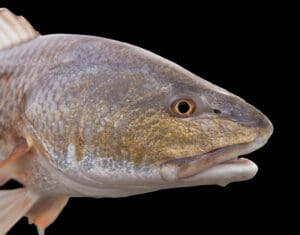
Redfish in the main bay are less obvious but no less present. They hold along current breaks, near spoil islands, and anywhere moving water gives them an advantage. They’re not always easy to pattern, but when you find them, they tend to be there for a reason.
Flounder move through this part of the system more than they live in it, relating to sandy transitions and deeper edges, especially as seasonal shifts begin to pull them toward passes.
The main bay isn’t about comfort. It’s about reading conditions—wind direction, water movement, clarity—and making decisions that put you where life is happening.
A Look At East Bay
East Bay feels different the moment you enter it. The water often carries more clarity, the shorelines stretch wider, and the presence of grass changes everything. It’s a place that rewards restraint.
Speckled trout thrive here in spring. They move onto shallow flats adjacent to deeper water, often over mud mixed with scattered shell and grass. You won’t always see them, but you’ll know they’re there if you pay attention—nervous bait, a soft push of water, the kind of quiet signal that’s easy to miss if you’re moving too fast.
This is where slowing down becomes more than a tactic. It becomes necessary.
Redfish work the same system but with a little more attitude. They push along marsh edges and drains, especially when water is moving, feeding on anything flushed out with the tide. On calm days, you can sometimes see them before you ever cast, tails tipping or backs breaking the surface just enough to give themselves away.
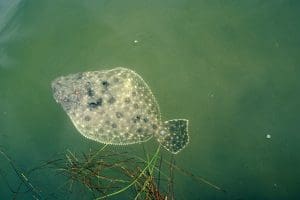
Flounder settle into the edges—drains, cuts, and sandy pockets where current brings food to them. They’re not flashy fish, but they’re there, waiting, and in spring they begin to show themselves more consistently.
East Bay doesn’t shout. It whispers. And if you listen, it will tell you exactly where to fish.
West Bay Is Different
West Bay is where things tighten up. More marsh influence, more protected water, more places for fish to disappear—and reappear when conditions line up.
This is a thinking angler’s bay.
Speckled trout here follow a familiar early spring rhythm. They hold a little deeper when it’s cold, then slide shallow when the sun warms the mud-bottom flats. Protected shorelines become key, especially in the afternoons when just a slight increase in temperature can turn a quiet stretch of water into a feeding zone.
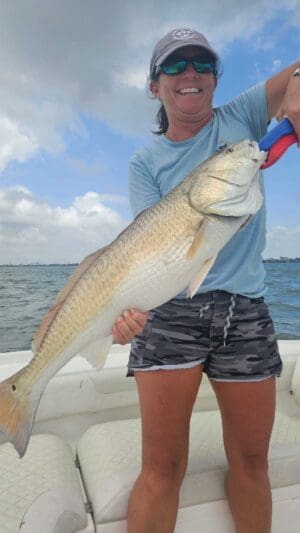
Redfish feel at home here. They move through marsh drains, along shorelines, and across shallow flats with a kind of confidence that makes them both accessible and unpredictable. Some days they’re easy. Other days they vanish into water so shallow it hardly seems possible.
Flounder use the same drains and transitions, lying in wait where current does the work for them. They’re a bottom-oriented fish in a system that constantly shifts, and finding them requires patience and a willingness to fish slow.
West Bay isn’t about covering water. It’s about understanding it—how it warms, how it drains, how fish use it when conditions change.
Trinity Bay’s Transition Zone
Trinity Bay is the wildcard.
Fed by the Trinity River, it changes more than the others. Salinity rises and falls, clarity shifts, and the fish respond accordingly. Some anglers avoid it because of that unpredictability. Others are drawn to it for the same reason.
When conditions stabilize, Trinity can be quietly productive.
Speckled trout tend to hold in the lower portions where salinity is more consistent, relating to shell and mud along subtle drop-offs. They’re not always as concentrated as in other bays, but they’re there.
Redfish handle the changes better. They move freely through the system, often pushing into areas that other species avoid. Shorelines, river-influenced marshes, and bait-rich pockets all hold potential.
Flounder, like trout, prefer more stable conditions and are usually found closer to areas with consistent tidal movement.
Fishing Trinity requires awareness. You have to know what the river has been doing, what the wind has been doing, and how those forces have shaped the water in front of you.
TF&G Staff