
There’s a point every year when things begin to shift offshore along the Texas coast. It’s not dramatic, and it doesn’t happen overnight, but if you spend enough time on the water you can feel it. The cold, inconsistent days of late winter start giving way to longer stretches of stable weather, water temperatures creep upward, and signs of life begin showing up where there was very little just weeks before.
Spring offshore fishing isn’t about instant gratification. It’s about transition. The Gulf is waking up, and everything from bait to gamefish is on the move.
It’s as if the fishery slowly starts to wake up.
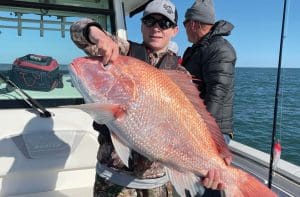
One of the most dependable early-season opportunities comes from targeting red snapper in state waters. With federal waters closed this time of year, anglers focus their efforts inside nine nautical miles, and that zone can be surprisingly productive—especially along the lower half of the Texas coast where structure is plentiful and pressure is often lighter.
Nearshore rigs, artificial reefs, and scattered hard bottom all hold fish, and those snapper haven’t been pounded day after day like they will be later in the year. When you find them, they’re usually willing. Limits can come together quickly, but it’s not automatic—you still have to locate the right structure and dial in the depth they’re holding on any given day.
While snapper provide a solid foundation, they’re just part of the bigger picture.
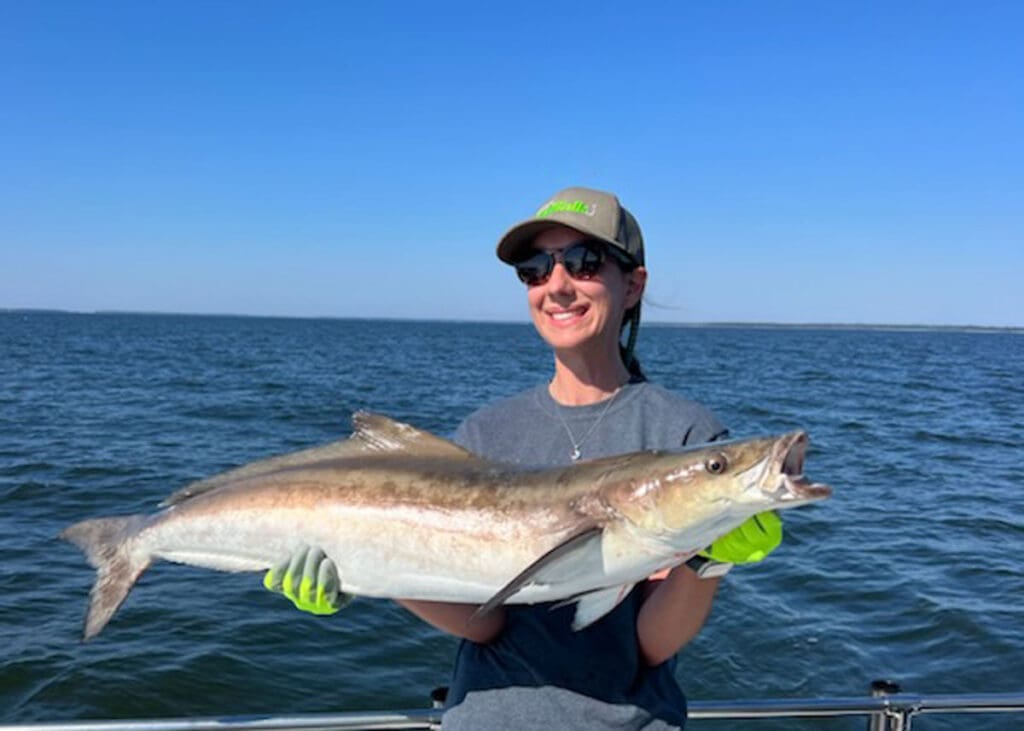
As water temperatures continue to rise, cobia—ling—start making their presence known. They don’t show up in huge numbers at first. Instead, it’s a slow build. A fish here, another there. Maybe one cruising a rig, another shadowing a ray, or a lone fish appearing out of nowhere alongside the boat.
That unpredictability is part of what makes targeting them so addictive. You can run all day without seeing one, then suddenly get a shot that makes the entire trip. The anglers who consistently connect are the ones who stay ready—keeping a pitch bait or jig within reach and paying attention to everything around them.
Spanish mackerel are usually among the first pelagics to show in noticeable numbers, and when they do, they bring a level of activity that’s hard to miss. Fast-moving and aggressive, they’ll tear through bait schools and give away their presence with flashes and surface commotion.
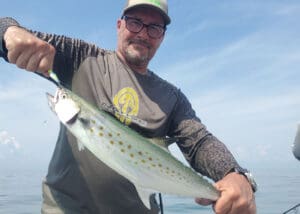
They’re often found along color changes and areas of cleaner water, and their arrival is a good indicator that the offshore food chain is starting to rebuild. Where there are Spanish and bait, bigger things are rarely far behind.
Not long after, king mackerel begin to show—at first scattered and inconsistent, but enough to keep things interesting. Early-season kings tend to hold around structure and bait concentrations, and while you might not find big numbers, the fish you do encounter are often solid.
This isn’t run-and-gun fishing yet. It’s more methodical. Covering water, watching for signs, and being willing to adjust based on what the Gulf is giving you that day.
And that’s really the key to spring offshore success—paying attention to conditions.
Water clarity plays a major role. A shift from off-colored green to cleaner blue-green water can completely change the game. Bait becomes more visible, predators become more active, and suddenly areas that looked lifeless start holding fish.
Temperature breaks, current lines, and subtle changes in depth or bottom composition all factor in. You might run a long stretch without much to show for it, then hit one zone where everything comes together—snapper stacked on structure, Spanish cutting through bait, maybe even a cobia easing into view.
Those moments don’t last forever, and they don’t repeat on a schedule. That’s what makes them valuable.
Weather is always part of the equation in spring. Conditions can still be unstable, with fronts pushing through and winds shifting directions, but between those systems are windows—sometimes short, sometimes perfect—where the Gulf lays down and gives anglers a chance to explore.