
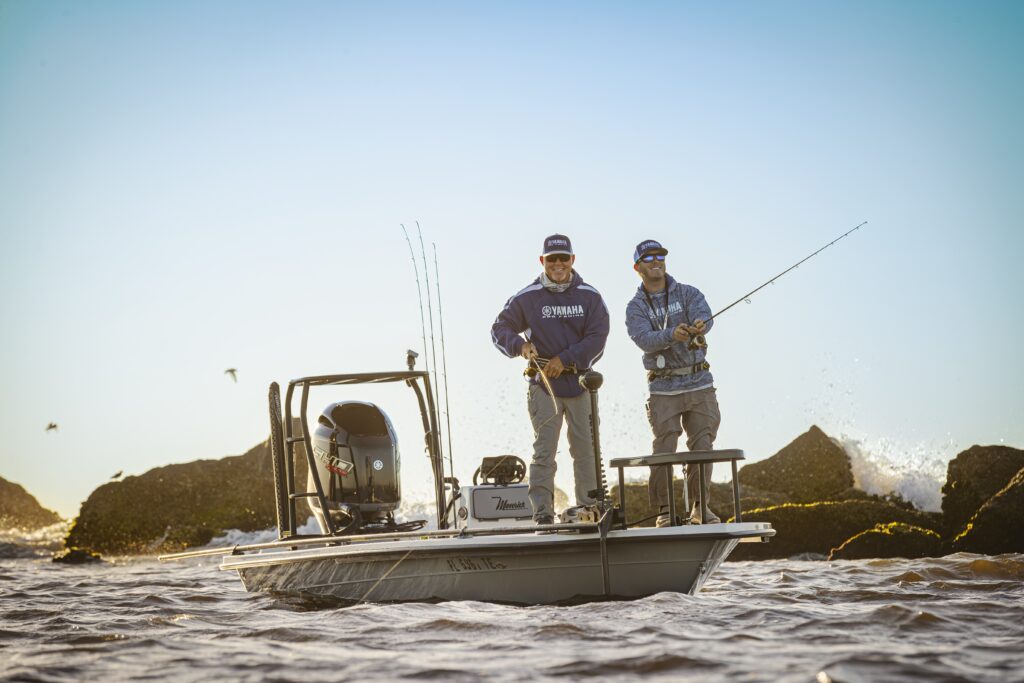
Early spring along the Texas coast doesn’t arrive with fanfare. It eases in quietly, almost reluctantly, carried on longer afternoons and a slightly warmer breeze that softens the edge of winter. To the casual observer, not much has changed. But to someone tuned into the rhythms of the bay, everything is different. This is when trophy speckled trout begin to reposition, transitioning from their winter refuges toward feeding patterns that reward the most patient anglers.
Big trout spend the coldest periods holding in deeper channels where water temperatures remain more stable. These areas act as thermal sanctuaries, buffering them from harsh cold fronts that can rapidly chill shallow water. But as the sun climbs higher in the sky and begins warming the system, particularly over dark mud bottoms, those same trout start to slide toward the shallows—especially in the afternoons when solar heating peaks.
The key is understanding that they rarely make this move randomly. They use transition zones—gradual slopes, channel edges, and subtle drop-offs—as pathways between deep and shallow water. These areas become prime ambush points, especially when baitfish begin to gather in the warming flats.
Fishing the Transition Zones
Targeting these transition areas requires a deliberate approach. You’re not just casting into open water—you’re dissecting a corridor where fish move, stage, and feed. The most productive zones often feature a nearby deep channel of three to six feet that tapers into a shallow flat of one to two feet, preferably with a mud bottom that retains heat.
Positioning is critical. Rather than drifting directly over the shallow flat, it’s often more effective to hold along the deeper edge and cast up onto the flat, working your lure back down the slope. This presentation mimics the natural movement of baitfish being pulled off the flat and into deeper water, a scenario big trout are instinctively keyed into.
Time of day matters just as much as location. Early mornings can still be slow in early spring, especially after a cold night. But as the afternoon sun warms the mud and raises water temperatures even a few degrees, the entire ecosystem responds. Bait becomes more active, and large trout take advantage of this narrow feeding window.
Programs like Yamaha’s Rightwaters campaign are helping to keep our waterways healthy in many ways ranging from water quality to invasive species control. To learn more click here.
Slow-Sinking Soft Plastics: Patience Pays
One of the most reliable tools for early spring trophy trout is the slow-sinking soft plastic. These baits excel because they can be presented in a subtle, controlled manner that matches the lethargic behavior of cold-water fish.
The most important element here is cadence. Cast the bait, allow it to sink naturally, and then work it back with gentle twitches followed by long pauses. The pause is where the magic happens. In water that’s still cool, big trout are not inclined to chase aggressively. They prefer an easy target—something that appears vulnerable and requires minimal effort to intercept.
It’s common for strikes to feel almost imperceptible, often just a slight tick or added weight. That’s why maintaining contact with the lure during the fall is essential. Many of the largest trout are caught not during the retrieve, but as the bait flutters downward along the transition slope.
Topwaters in Cool Water Conditions
Topwaters are often associated with warm months, but under the right early spring conditions, they can produce some of the most memorable strikes of the year. The key is recognizing when the window opens. Sunny afternoons with light wind and visible bait activity are prime indicators.
Unlike the aggressive, fast-paced retrieves of summer, early spring topwater fishing demands restraint. Work the lure slowly, incorporating long pauses between subtle movements. The goal is to keep the bait in a small strike zone for as long as possible, allowing a big trout the time to commit. Strikes in these conditions are rarely explosive. More often, they appear as a quiet swirl or a gentle push of water behind the lure.
It requires discipline not to react too quickly. Waiting until you feel the weight of the fish before setting the hook is critical to success.
Jerkbaits and Suspending Presentations
Suspending jerkbaits are another highly effective option when targeting large trout in early spring, particularly along deeper edges of transition zones. Their ability to remain in the strike zone for extended periods makes them ideal for fish that are unwilling to move far to feed.
The technique involves sharp, controlled twitches followed by extended pauses. During the pause, the lure hangs motionless in the water column, often triggering strikes from fish that have been tracking it without committing. In colder water, those pauses should be longer than most anglers are comfortable with—sometimes several seconds or more.
Fishing jerkbaits along the drop-off, rather than across the flat itself, often yields better results. This is where trout stage before pushing shallow, and where they retreat when conditions shift.
Don’t Forget The Jetties
Jetties bring all the same principles into a more concentrated, dynamic environment. They combine deep, temperature-stable water with immediate access to shallower structure, all influenced by current and tide. In early spring, that makes them a natural holding and feeding zone for larger trout.
Focus on the protected side of the jetty when conditions are rough, especially where the water has better clarity. Look for current seams, eddies, and irregularities in the rocks where baitfish gather. These are the jetty equivalents of marsh drains or channel edges—places where movement is predictable and trout can feed efficiently.
The approach remains consistent with everything else: slow and deliberate. Work soft plastics down the face of the rocks, letting them fall naturally into deeper water. Use jerkbaits to suspend in current seams where fish are holding just off the flow. On calm, sunny afternoons, don’t overlook topwaters along the edges where bait is active and trout are willing to rise.
Timing around moving water is critical here. A tide change combined with warming sunlight can create short feeding windows where big trout become far more aggressive. When that window opens, the bite can be decisive—but it rarely lasts long.
Understanding the Bigger Picture
What separates consistent success from occasional luck in early spring is the ability to read the environment as a whole. It’s not just about lure selection or even location in isolation—it’s about how all the elements come together. Sunlight, bottom composition, water depth, and proximity to stable temperature zones all play a role.
Mud-bottom flats adjacent to deeper channels create a natural system where heat is absorbed, retained, and gradually dispersed into the surrounding water. This slight increase in temperature can be enough to draw baitfish, which in turn attracts larger predators.
Trophy trout are not roaming aimlessly. They are calculated in their movements, conserving energy and feeding efficiently. By focusing on transition zones during the warmest parts of the day and presenting lures slowly and deliberately, anglers can intersect with these fish on their terms.
Early spring is not a numbers game. It’s a season defined by opportunity—brief, specific, and often subtle. But for those willing to slow down, pay attention, and fish with intention, it offers one of the best chances of the year to connect with truly exceptional speckled trout.
Chester Moore