
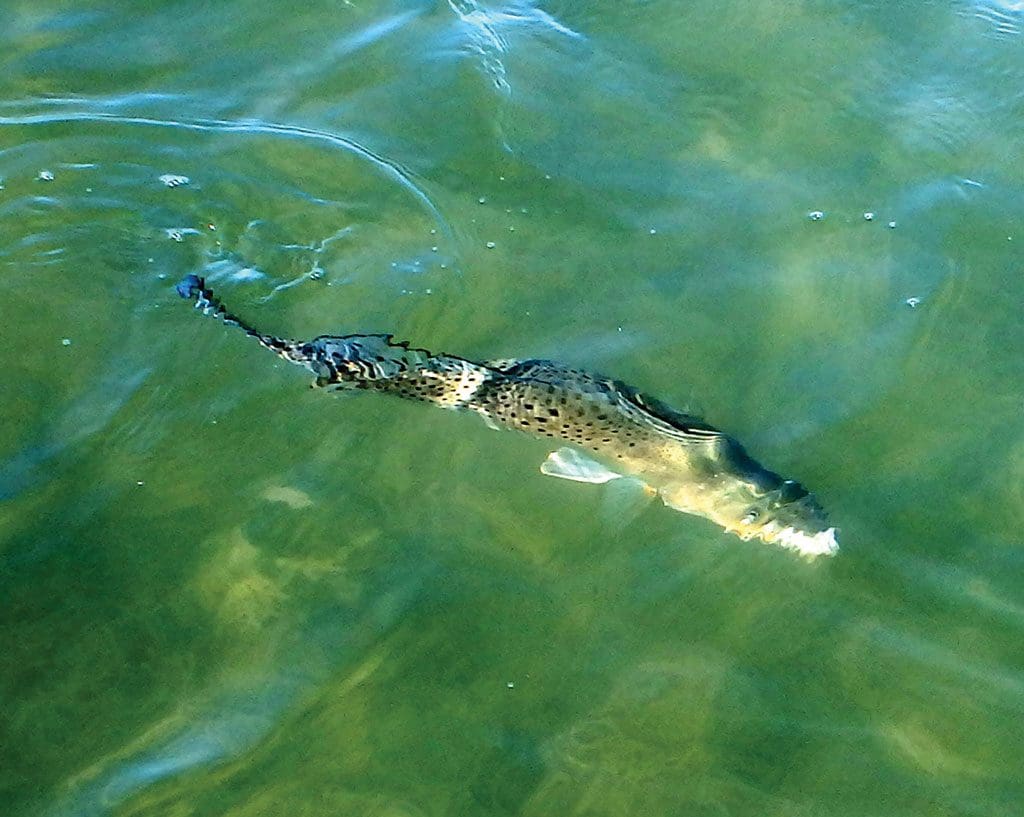
Wade fishing along the Middle Coast of Texas is one of the most effective and exciting ways to target speckled trout. From the shallow grass flats to scattered shell reefs, anglers who leave the boat and get in the water often gain a major advantage. Success, however, depends on preparation, observation, and fishing the right conditions.
One of the most important factors in wade fishing is timing. Speckled trout are heavily influenced by water movement and temperature. Early mornings, especially during the warmer months, tend to produce the best bite as trout move shallow to feed before the sun gets high. During the cooler months, the afternoon bite can be more productive when the sun warms the shallow flats. Pay attention to tide movement as well. Incoming or outgoing tides create current that pushes baitfish across grass flats and shell, attracting hungry trout.
Location is equally critical. On the Texas Middle Coast, look for areas that combine grass, sand pockets, and nearby deeper water. These transitions act as feeding zones for trout. Grass beds hold shrimp and small baitfish, while sand pockets give trout ambush points. Wading along the edges of oyster reefs can also be extremely productive, but anglers should move carefully to avoid sharp shells and spooking fish.
Stealth is a major advantage of wade fishing. Speckled trout in shallow water can be easily spooked by loud noises or heavy footsteps. Enter the water quietly and move slowly. Many experienced anglers will make several casts before taking another step. This approach allows you to thoroughly cover the water and reduces the chances of pushing fish out of the area.
Choosing the right lure can also make a big difference. Soft plastics rigged on light jig heads are among the most popular options for Middle Coast trout. Paddle tails and shrimp imitations work well when bounced slowly along the bottom or retrieved steadily through the grass. Topwater lures can be extremely effective during low-light periods such as dawn, dusk, or overcast mornings. The explosive strikes from trout hitting a topwater are one of the highlights of wade fishing.
Water clarity plays an important role when selecting lure color. In clear water, natural colors that imitate mullet or shad tend to work best. When the water is stained or murky, brighter colors like chartreuse or pink can help trout locate the lure. Matching the hatch, choosing lures that resemble the local baitfish is often a key to consistent success.
For example, there are lots of pinfish on the Middle Coast. Lures with pinfish patterns can be effective. Ditto for mullet.
Safety should never be overlooked while wade fishing. Always wear protective wading boots or stingray guards to prevent injuries from oyster shells or stingrays. Shuffling your feet while walking helps alert stingrays and reduces the risk of stepping directly on one. A good wading belt and a small tackle box or wading bag can also make your time in the water more comfortable and organized.
Ultimately, successful wade fishing for speckled trout on the Texas Middle Coast comes down to patience, observation, and time on the water. By fishing productive structure, moving quietly, and adapting to changing conditions, anglers can consistently find trout and enjoy one of the most rewarding fishing experiences the Texas coast has to offer.
TF&G Staff