
Lake Texoma is one of the most diverse fisheries in Texas and Oklahoma, and it’s built around one main driver—bait. Threadfin and gizzard shad are everywhere, and that supports everything from striped bass to catfish.
Programs like Yamaha’s Rightwaters campaign are helping to keep our waterways healthy in many ways ranging from water quality to invasive species control. To learn more click here.
Striped Bass
Stripers are what Texoma is known for. It’s one of the few inland lakes where they reproduce naturally, and that keeps the population strong year after year.
In summer, fish relate closely to the thermocline. Most of your active fish will be in that 10–30 foot range, depending on conditions. Early in the day, they’ll push bait to the surface, especially in open water. After that, they settle into deeper zones and suspend over structure or roam with bait schools.
Live shad is the most consistent approach. Vertical fishing over marked fish works well, and chumming can help hold them under the boat. Trolling is effective for covering water, especially when fish are scattered.
Everything revolves around bait and oxygen. If you find one, you’ll usually find the other.
Largemouth Bass
Largemouth are present throughout the lake but tend to be more concentrated in creeks, coves, and areas with cover. Standing timber, brush piles, and shoreline vegetation hold fish, especially during low-light periods.
In summer, they’ll often move deeper during the day and hold near structure. Early and late in the day, they’ll push shallow to feed. Soft plastics, jigs, and crankbaits all produce depending on depth and cover.
Texoma largemouth don’t always get the attention they deserve because of the striper fishery, but there are quality fish here.
Smallmouth Bass
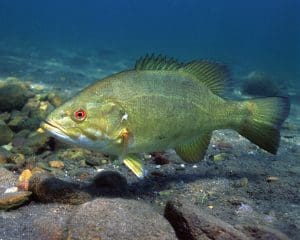
Texoma is one of the better smallmouth lakes in the region. They’re most commonly found along rocky shorelines, points, and riprap areas, especially near the dam.
Clearer water and structure are key. Smallmouth here relate strongly to rocks and depth changes. In summer, they’ll hold deeper during the day and move up to feed when conditions are right.
Drop shots, jigs, and crankbaits work well. Wind blowing into rocky banks can improve the bite by pushing bait into those areas.
Catfish
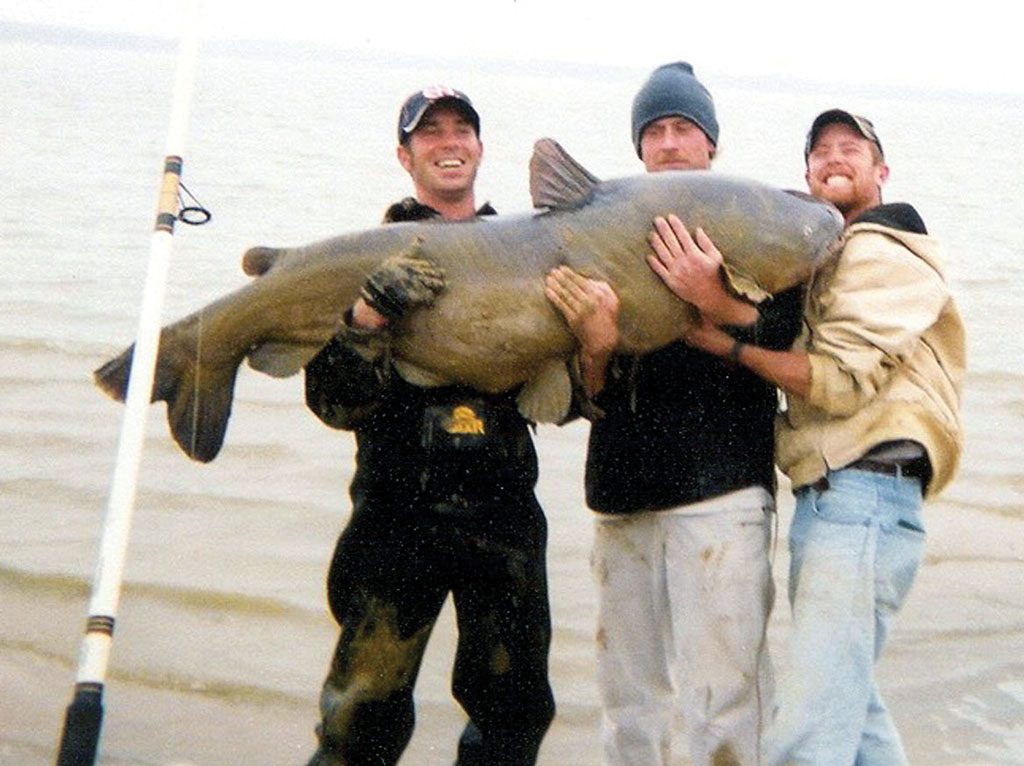
Blue and channel catfish are abundant and offer consistent action year-round. Texoma is known for producing large blue catfish, and summer is a productive time to target them. In fact, a world record blue catfish was caught on Lake Texoma in 2005 by angler Cody Mullenix. It weighed a whopping 121.5 pounds and was taken live to the Texas Freshwater Fisheries Center in Athens where it lived for several years.
Drifting or anchoring over flats and drop-offs with cut bait or live bait is common. Many anglers also use jug lines, especially in open water where fish follow bait.
Like stripers, catfish are tied to bait movement. Areas with heavy shad concentrations will usually hold fish.
Other Species
White bass are common and often mix in with stripers when feeding on shad. They provide steady action, especially during schooling activity.
Crappie are present in good numbers and relate to brush piles, docks, and submerged structure. Summer patterns usually push them deeper, and vertical fishing around cover is effective.
Overall
Texoma is a structure-and-bait driven lake. Whether you’re targeting stripers, bass, or catfish, the same basic rule applies—find the bait and pay attention to depth.
Wind, current generation, and time of day all influence how fish position, but the lake is consistent if you stay focused on those fundamentals.