
Spring in Texas is prime time for varmint hunters, and if you’re willing to adjust your approach, it can be one of the most productive seasons of the year. As temperatures warm and wildlife activity ramps up, predators like coyotes, raccoons, and bobcats become more visible—and more vulnerable. Success this time of year comes down to understanding their behavior and tailoring your strategies to match.
Coyotes are often the main focus, and spring offers a great opportunity to target them as they stay active and responsive. Calling remains one of the most effective tactics, but mixing up your sounds can make a big difference. While distress calls are always reliable, adding in coyote vocals or challenge howls can help trigger more aggressive responses from territorial animals. Setup is critical—keep the wind in your favor, approach quietly, and position yourself with a clear view of downwind approaches, as coyotes will almost always try to circle. Early mornings and late evenings remain the most consistent, but don’t overlook mid-day stands, particularly in less pressured areas.

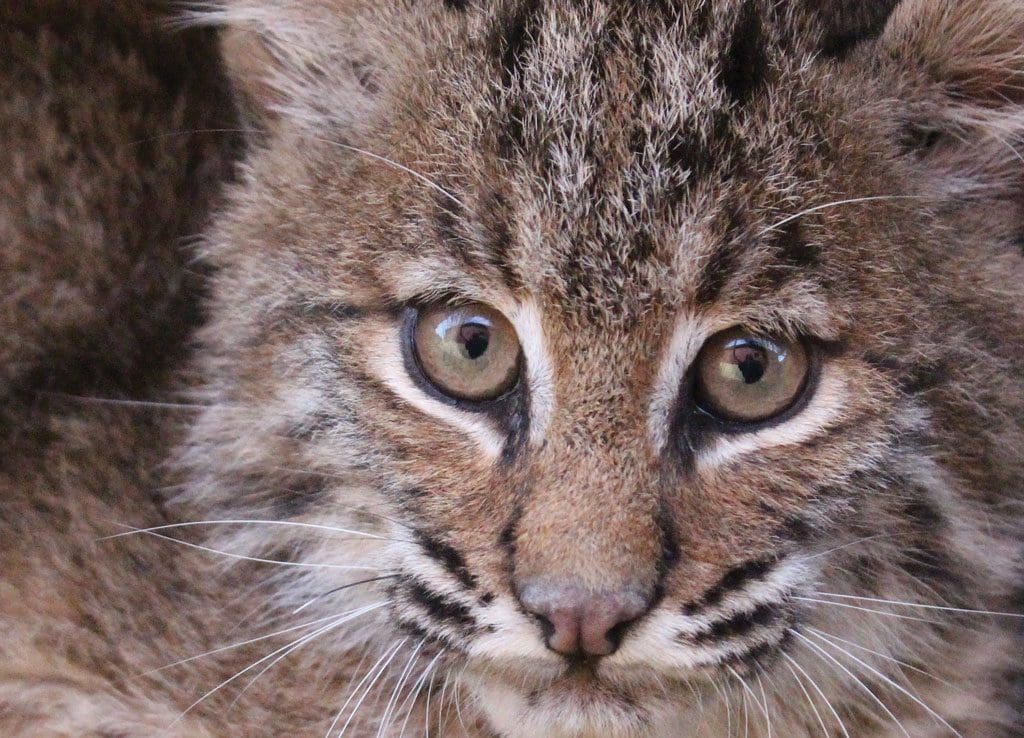
Bobcats require a different mindset altogether. They’re slower, more methodical, and far less likely to come charging into a call. Patience is everything. When calling bobcats, think subtle and persistent. Small prey distress sounds—like birds or rodents—tend to work better than loud, aggressive calls. Once you start a stand, stay put longer than you would for coyotes; 30 to even 45 minutes isn’t overkill. Bobcats will often sneak in quietly and take their time investigating before committing. Focus on areas with thick cover, creek bottoms, brushy edges, and transition zones where they can move unseen. Good visibility in front of you matters, but don’t expect fast-paced action—bobcat hunting is a slower, more deliberate game.
Raccoons are one of the most overlooked—and most fun—targets during the spring. While many hunters associate coon hunting with fall and winter, calling raccoons in warmer months can be incredibly effective and action-packed. They respond well to distress calls, especially bird sounds, and will often come in curious and aggressive, sometimes even climbing nearby trees to get a better look. Hunting them around creek bottoms, hardwood patches, and areas with thick vegetation can produce fast results. Night hunting is especially productive where legal, but early morning and evening setups can work just as well.
Beyond the excitement, raccoons also offer a practical reward—they’re good to eat when handled and prepared properly. For hunters looking to make the most of their time in the field, targeting coons adds another layer of value to a spring hunt. It’s an opportunity that often gets overlooked in favor of bigger predators, but it shouldn’t be.
Across all three species, one constant in Texas spring hunting is adapting to changing conditions. Vegetation thickens, temperatures rise, and animal patterns shift. Focus on water sources, shaded areas, and natural travel corridors. Pay close attention to wind direction and entry routes, and don’t be afraid to experiment with calling sequences and stand locations.
Spring varmint hunting in Texas isn’t just about numbers—it’s about strategy. Whether you’re calling in a wary coyote, waiting out a cautious bobcat, or having a fast-paced encounter with a curious raccoon, each hunt offers a different challenge. For those willing to slow down, think it through, and adjust their tactics, it can be one of the most rewarding times of the year to be in the field.