
The first “pop” echoed across the rip-rap like a cork against a drum, sharp and deliberate, the kind of sound that makes a flounder pay attention.
The first time I really figured this pattern out was in Blacks Bayou, north of Sabine Lake. It wasn’t some long stretch of textbook structure either, just a small section of rip-rap tucked along the bank. The kind of place most anglers would idle past without a second thought. But there was bait there, plenty of it, and that changed everything.
Spring along the upper coast brings a shift a lot of anglers overlook. As water temperatures climb, flounder begin pushing farther into the system, well beyond the open bays. You will find them in surprisingly shallow, even brackish stretches along river channels north of the bays, especially where rip-rap lines the banks. Add a strong presence of menhaden flickering along the surface, and you have a place worth slowing down.
I eased my stance along the rocks, careful with each step. Anyone who has fished rip-rap knows it is equal parts opportunity and ankle breaker. Big slabs of broken concrete and limestone form perfect ambush points, but they do not give you anything for free. You earn every cast out here.
The tide was moving just right, falling but not ripping, pulling bait along the edge of the rocks. Schools of menhaden dimpled the surface, flipping and flashing in tight groups. That is the dinner bell. Where those baitfish stack up, flounder will not be far behind, tucked tight to the structure waiting on an easy meal.
My setup was simple but dialed in from years of trial and error. A medium heavy spinning rod spooled with braided line tied to a 20 pound fluorocarbon shock leader. Around rip-rap, that leader is not optional. Those rocks will chew through line in a heartbeat. On the business end, I ran a 1/16 ounce jighead under a popping cork, rigged with a Gulp! Swimming Mullet or a live shrimp when I had a good batch kicking in the bucket.
Most anglers think flounder fishing means dragging bottom, bumping mud and sand. And that works until you are dealing with rock. In rip-rap, that approach costs you jigs and time. I learned a long time ago that keeping your bait just above the rocks is the smarter play.
I fired a cast parallel to the bank, letting the cork settle among the nervous bait. Then I gave it a sharp pop. The cork chugged and spit, sending vibration through the water. Beneath it, that jig danced just above the jagged structure, right in the strike zone without constantly hanging up.
Pop, pause.
Pop pop, pause.
You are imitating something struggling in the current, a wounded shad or a shrimp trying to get its bearings. That pause is where it happens. That is when a flounder slides up and commits.
On the third sequence, the cork did not disappear. It just hesitated. A subtle twitch, out of rhythm with the drift. That is all it takes.
I leaned into the rod.
It loaded with that familiar heaviness. No violent strike, just steady weight. Then came the slow, deliberate thump of a flounder realizing it had made a mistake.
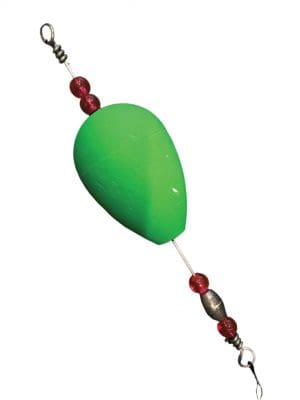
popping corks are effective tools for the bank angler.
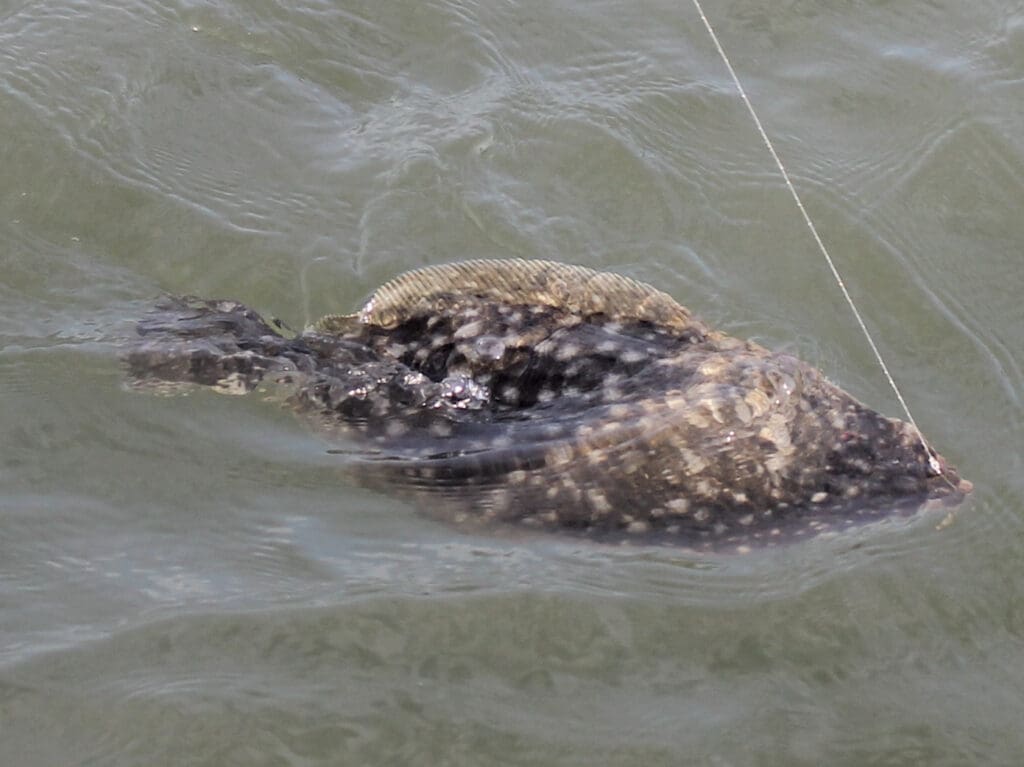
I guided the fish away from the rocks, keeping pressure steady. The fluorocarbon brushed stone but held. Moments later, a wide, mottled shape rolled near the surface, a solid flounder pulled from water a lot of folks would drive right past.
That little stretch in Blacks Bayou taught me something I have not forgotten. When flounder push up into these upper, bait rich, brackish areas in spring, especially around even small sections of rip-rap, they are not always on the bottom like people think.
Sometimes the best way to catch a fish that lives on the bottom is to stay just above it.
Chester Moore