
Research On The Benefits Of Fishing For Mental Well-Being
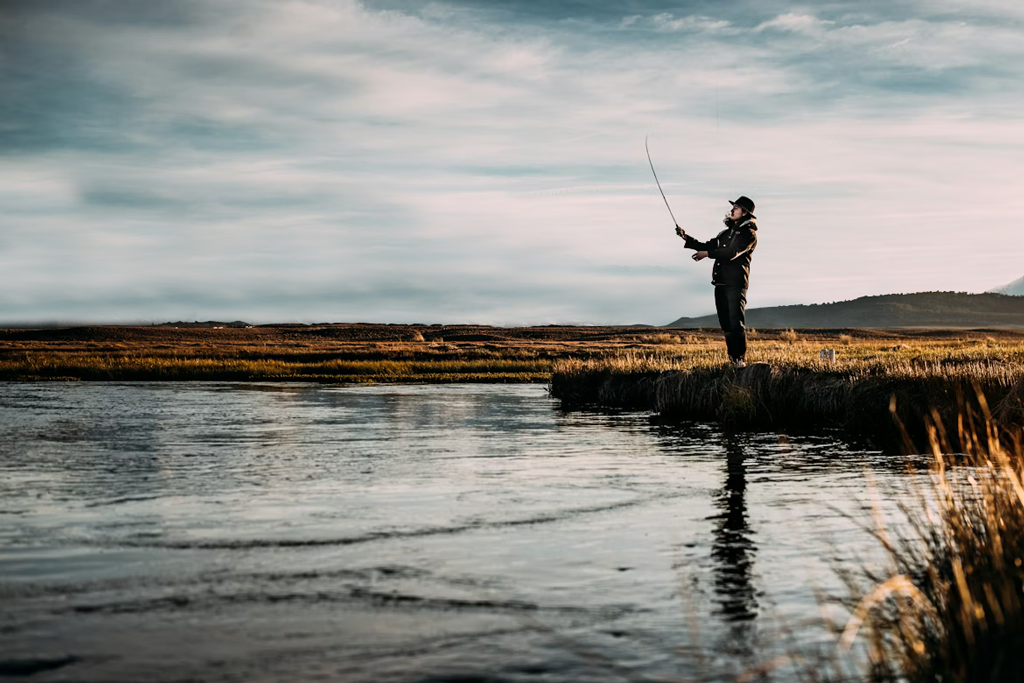
From an outsider’s perspective, fishing seems quite straightforward. One person stands by the water, patiently waiting, casting again and then perhaps going back home empty-handed. Nevertheless, many experienced anglers claim they experience the same things while fishing – slowing of thoughts, body relaxation, and a more peaceful day ahead.
This sensation is hardly coincidental because fishing involves exposure to blue spaces, slow movement, silence, repetition, and even socialization at times. In this regard, it is worth noting that the above-mentioned factors happen to be those associated with reduced stress and improved emotional regulation in mental well-being literature.
Thus, for students, freelancers, parents, and other individuals experiencing constant pressure, fishing can become an affordable method of recharging. There are many students buried in their research, assignments, and coursework who seek academic assistance and say such things as, “I need someone to write my research paper.” Such assistance can indeed provide them with some extra time but the most important thing is that people need recovery activities outside a computer screen.
Reasons Why Fishing Is Suitable for Mental Well-Being Research
First of all, mental well-being includes more aspects than being stress-free. According to the World Health Organization, mental health is defined as a condition that contributes to an individual’s ability to cope with life situations, adapt, work and be productive, as well as make positive contributions to society. This aspect becomes particularly relevant since fishing can influence several elements mentioned above simultaneously – coping, focus, relaxation, and socializing.
According to a study of recreational fishing published in 2022, highly active fishers scored 15.4% lower on the scale measuring stress levels. Furthermore, fishing activity was positively correlated with high-quality sleep and low levels of negative affect, which includes anxiety, fear, anger, etc.
However, this information should not be interpreted as evidence of a direct connection between fishing and curing anxiety and depression disorders. Instead, fishing can become a healthy routine, especially when practiced responsibly and consistently.
EssayPro Research: Why Is Fishing Restorative?
The research for this article, performed by EssayPro, examined various articles and resources in public health concerning fishing, blue space, outdoor activities, and stress recovery. Rather than being a solution to mental well-being, the most important thing about fishing seems to be how it fosters an environment where less stimuli exist for the nervous system.
| Well-Being Factor | How Fishing Helps | Simple Example |
| Stress Reduction | Repetitive casting and waiting slow the pace of thought | A student fishes for one hour after exams instead of scrolling all night |
| Attention Reset | Watching water and tracking small movements support gentle focus | Someone follows the float, line, wind, and current |
| Social Connection | Fishing can be quiet, but still shared | Friends talk between casts without forced conversation |
| Physical Movement | Walking, standing, and casting add light activity | A weekend angler walks along a riverbank |
| Sense Of Control | Small decisions create calm structure | Choosing bait, location, and timing gives the day shape |
It does not require an expensive outfit or a flawless trip to a lake for the student to enjoy its benefits. Even spending an evening at the local legal spot could help break the routine of sitting, worrying, and refreshing applications. In the midst of all the academic stress, the student is still comparing different options on the internet, including essay writing websites ratings.
But still, none of the services could substitute the importance of rest itself, and the natural routine may facilitate its protection.
The Blue-Space Effect
As a rule, fishing takes place close to rivers, lakes, ponds, canals, or coastal zones. Such natural water zones are also known as blue spaces. An important cross-country study published in Scientific Reports revealed that positive well-being and lower mental distress could be associated with visits to green, inland blue, and coastal blue spaces in 18 countries. According to this article, there were 16,307 participants in this study, and this makes its results more reliable compared to those of any regional study.
Finally, according to another study performed by the National Institute for Health and Care Research, green and blue spaces may help to maintain good mental well-being due to various reasons: social interaction, cognition enhancement, stress relief, and psychological recovery.
Here lies the fascination of fishing. It is not simply about being outdoors; it allows for mental relaxation. The task itself is detailed enough to keep you engaged but not stressful enough to feel like work. According to Adam Jason, who specializes in academic writing and student research, the act of fishing can be termed “structured calm.”
How Fishing Encourages a More Calm Mindset
There are a few ways that fishing can help one’s mental well-being:
- It Helps One Focus. Fishing creates natural cycles of actions that don’t allow too much space for other thoughts and distractions. This can be particularly beneficial after having a busy week full of notifications and decisions.
- It Teaches Delay, Not Punishment. Waiting is inherent in this activity; however, it still provides the opportunity to observe. Observing the river, its clouds, insects, the wind, and any other subtle changes becomes part of the process.
- It Provides Some Gentle Exercise. Although fishing may require some physical strain at times, it also includes plenty of walking, standing, lugging gear, and moving from one point to another. This is especially important when one spends all day sitting at the computer desk.
- It Makes Solitude a Pleasant Experience. Fishing is possible by oneself without becoming lonely. There are people who go fishing with their loved ones, and talking to them occurs quite naturally rather than artificially.
- It Gives One a Sense of Accomplishment. Of course, catching a fish plays its role here.
Conclusion
The research regarding fishing and mental health is still developing, but thus far, the results have been positive. Literature on recreational fishing, nature, and blue space has indicated that fishing may help promote stress reduction, improved moods, socialization, and mental recovery. The strongest research does not dictate that all individuals should engage in fishing. However, routine exposure to nature without undue pressure may prove mentally beneficial.
Good mental health requires small habitual actions, not a major overhaul of lifestyle. Fishing works because it provides individuals with an environment in which they can rest and reflect, something that many minds require.