
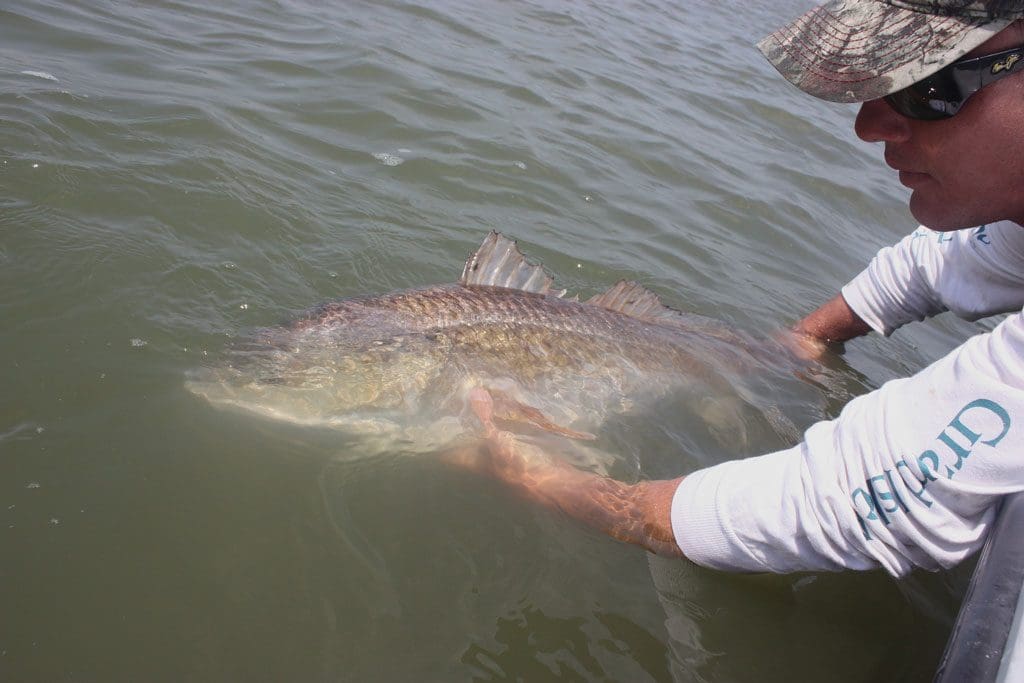
There’s nothing better than watching a healthy fish kick away strong after the release. Whether it’s a chunky largemouth bass exploding on a topwater bait or a copper-colored redfish tailing across a coastal flat, those moments are what keep anglers coming back. But catch-and-release only works if we handle fish properly. The future of our fisheries depends on anglers treating fish with care from the moment they hit the net until they swim away.
One of the biggest mistakes anglers make is keeping fish out of the water too long. Every second a fish spends out of the water increases stress and reduces its chances of survival. If you want a quick hero shot, have the camera ready before lifting the fish. Snap the photo fast and get that fish back where it belongs.
Another important detail is protecting the fish’s slime coat. That slick outer coating is the fish’s first line of defense against bacteria and disease. Dry hands, hot boat decks, and rough carpet can strip it away quickly. Always wet your hands before handling bass or redfish, and never drag fish across dry surfaces.
Good equipment can also make a big difference. Rubber-coated landing nets are far easier on fish than old-school nylon nets that scrape scales and fins. Circle hooks are another conservation-friendly option, especially when fishing natural bait for redfish. They usually hook fish in the corner of the mouth instead of deep in the throat, making releases cleaner and safer.
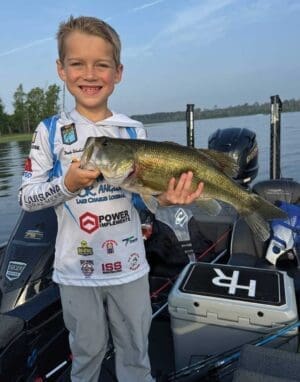
Bass anglers especially need to think about how they hold fish. Lipping bass is fine for quick control, but hanging a heavy fish vertically for too long can injure the jaw. Bigger bass should always be supported underneath with your free hand. It’s a simple move that helps protect trophy fish that may be years old.
The same goes for redfish. Never dangle a big red vertically by the jaw alone. Support the fish horizontally with both hands. Redfish are powerful fighters, but improper handling can damage internal organs and reduce survival after release.
Anglers fishing deeper water sometimes encounter fish suffering from barotrauma, often recognized by a distended air bladder. You may see the fish’s stomach protruding from its mouth or notice the fish floating on the surface unable to swim back down. This happens because pressure changes cause gases inside the fish to expand rapidly as it’s reeled up from deep water.
When this occurs, simply tossing the fish back overboard usually doesn’t solve the problem. Descending devices are one of the best conservation tools available today because they return fish to depth safely and allow pressure to normalize naturally. Some anglers use venting tools to release trapped gases, but improper venting can injure or kill fish. If you plan to use those tools, make sure you understand the correct technique and local regulations first.
Suzuki Marine has embraced that conservation mindset through its support of fisheries stewardship efforts surrounding Major League Fishing events, including this year’s Redcrest Championship at Table Rock Lake where anglers and volunteers participated in a large-scale cleanup effort ahead of the tournament. It’s a reminder that protecting fisheries goes beyond tournament weigh-ins. Conservation happens at every level—from organized cleanup projects to the individual angler handling one fish at a time.

Reviving fish before release is another key step many anglers rush through. Hold the fish upright in the water and allow it to regain strength naturally. With redfish, moving the fish slowly forward helps push water through the gills. Avoid aggressively pushing fish back and forth because that can damage delicate gill tissue.
The truth is conservation starts right there in our hands. Every healthy release helps protect the future of bass fishing, redfish fisheries, and the traditions we all love. Handle fish like a pro and take of your local waters, and the next generation will get the chance to experience the same unforgettable moments on the water.